Software companies, telecom operators and infrastructure providers. A software subscription gives a customer access to an application. A telecom contract provides a working connection. Both depend on physical capacity.
What customers pay for
Software subscriptions. A business may pay by user or usage, with a separate fee for moving data and connecting existing systems. The provider carries hosting and support costs while customers decide whether to renew.
Fixed and mobile connections. A fixed connection serves a particular address. The operator checks coverage and available capacity there before committing to an installation. A mobile plan connects a device wherever the network provides coverage.
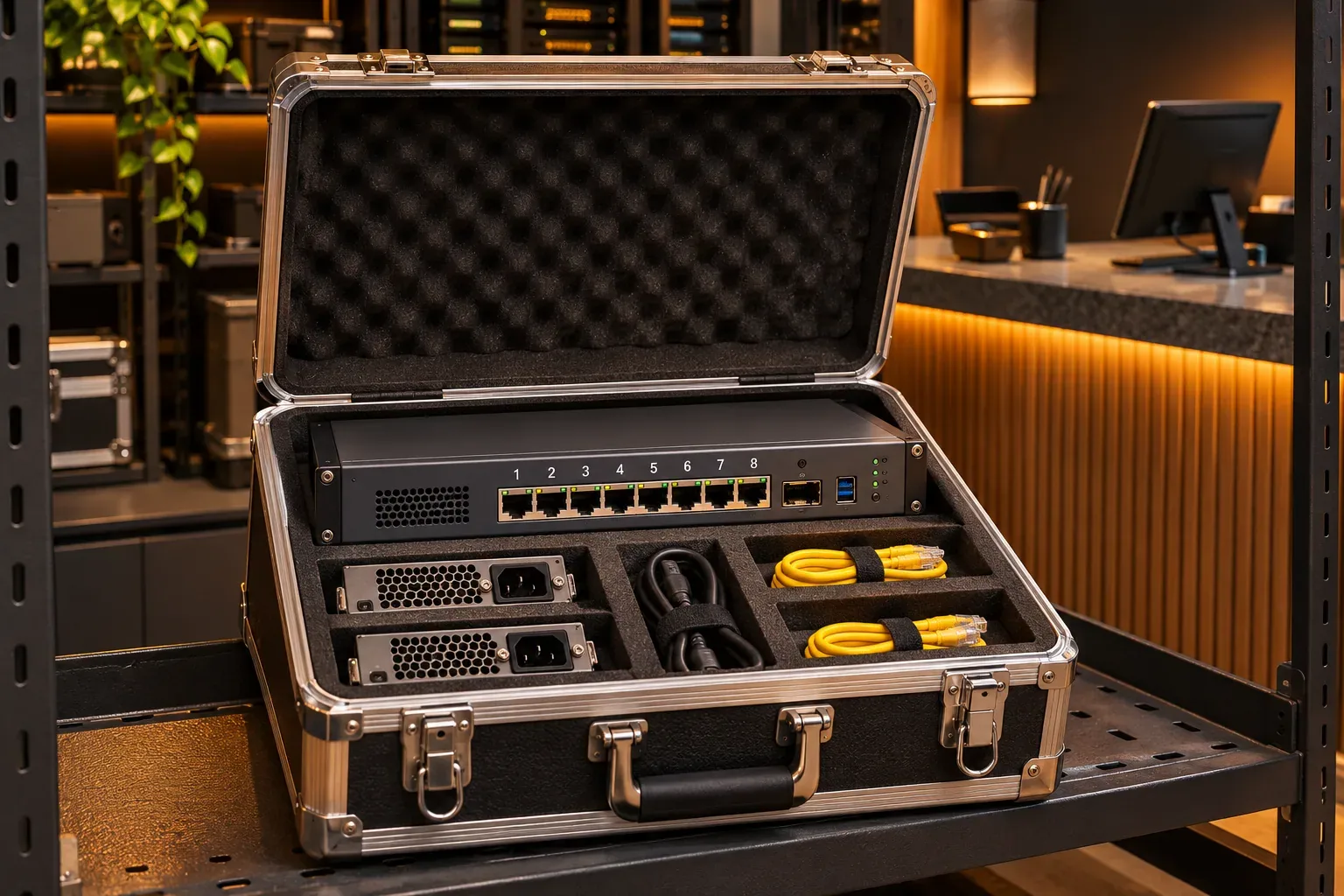
Physical capacity. Tower operators lease space for radio equipment. Data centres can charge for rack space and power. Available power and cooling help determine how much equipment a facility can take.
From fibre order to first bill
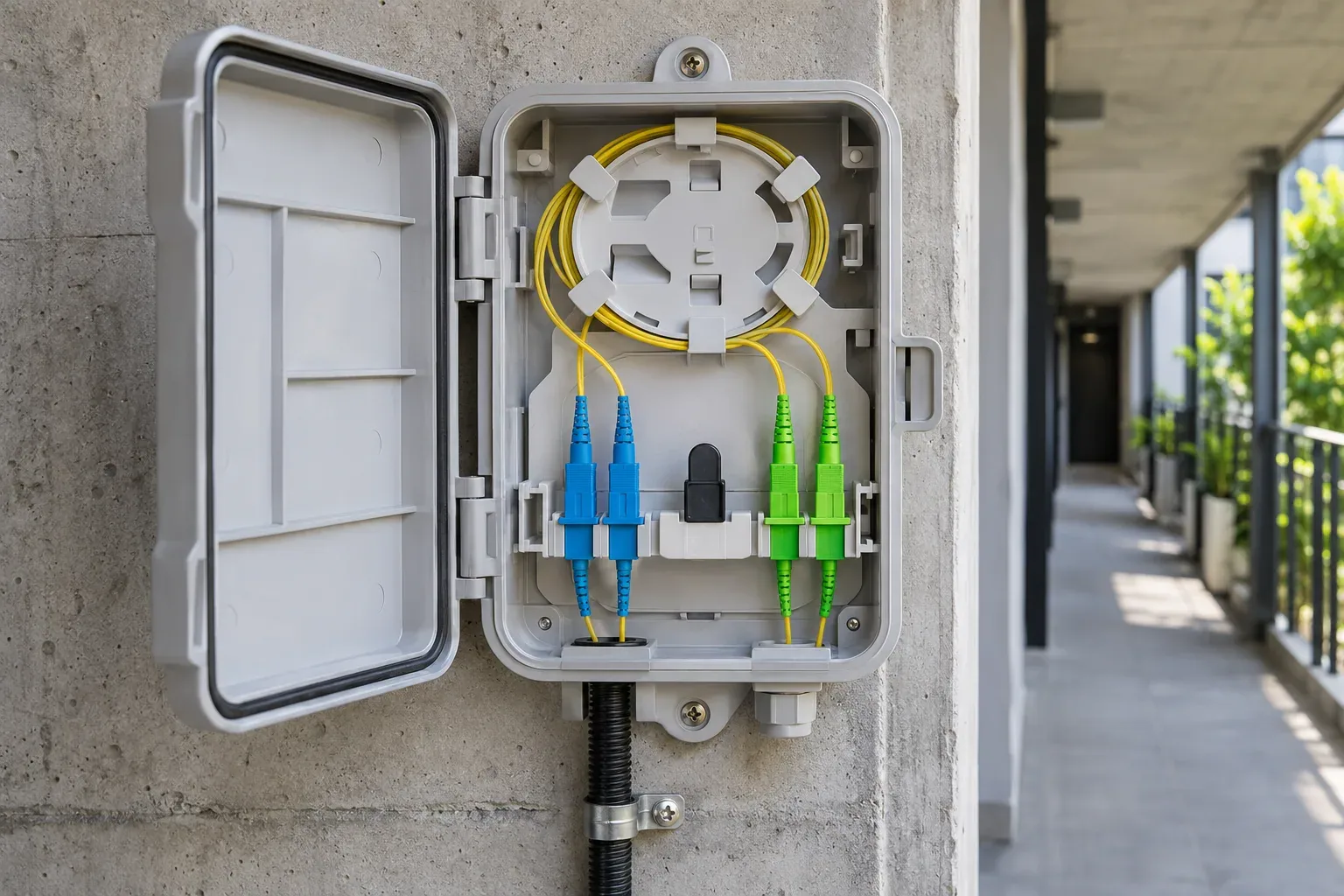
Sales records the address, connection speed and charges. The field crew installs and tests the line. Network operations records when service goes live, giving billing the date it needs for the first invoice.
Field crews and support teams
Installers need access to the building, a route for the cable and the right equipment on site. A missing access approval can push the appointment back.
Shared crewsThe same field crew may handle new installations and repairs to existing connections.
Network acceptance
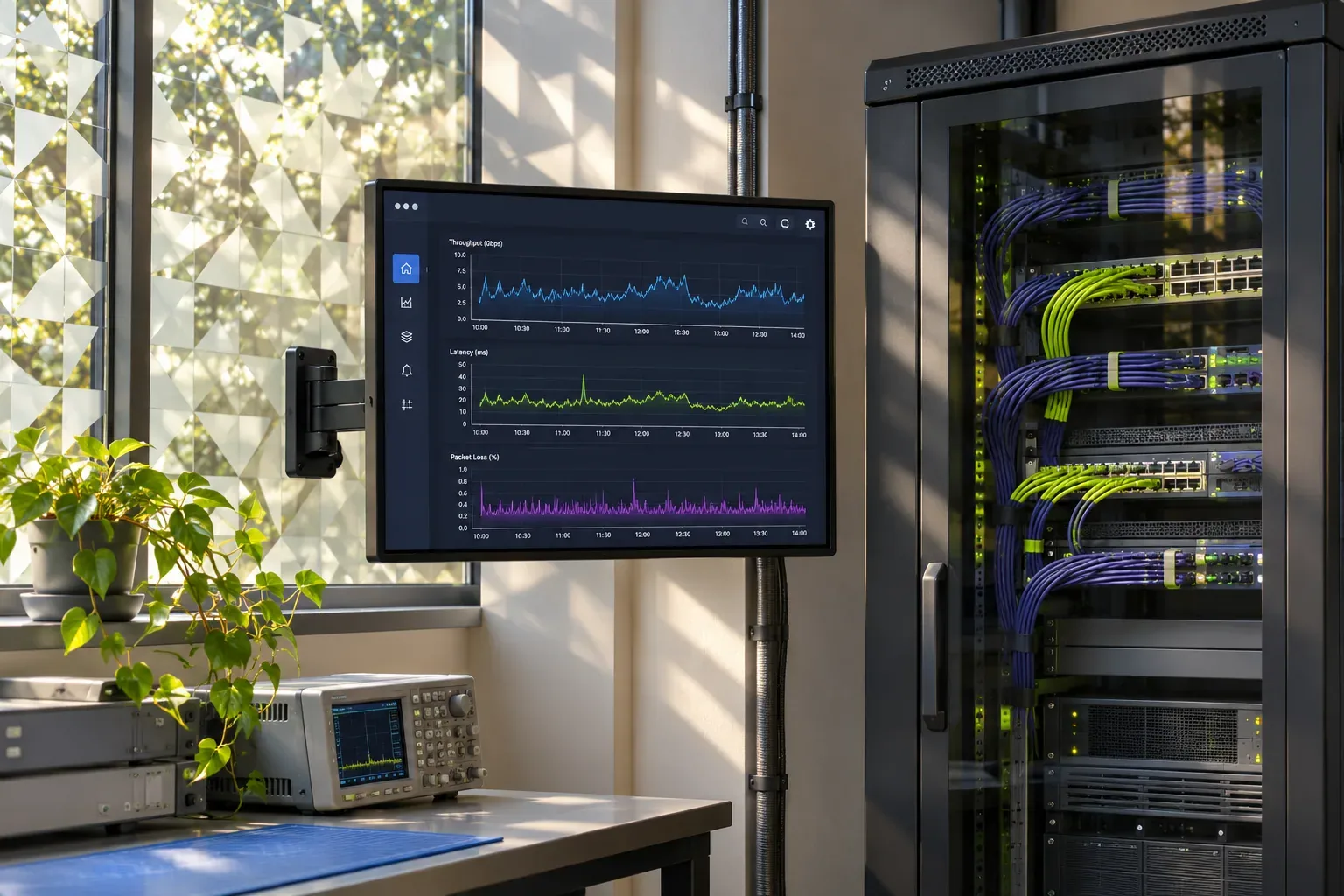
An installed line still has to pass the operator’s tests. If it fails, the record tells the next team which part of the connection needs attention.
Service handoverThe operations team keeps the connection details and test results for use when the customer reports a fault.
Recurring charges and usage
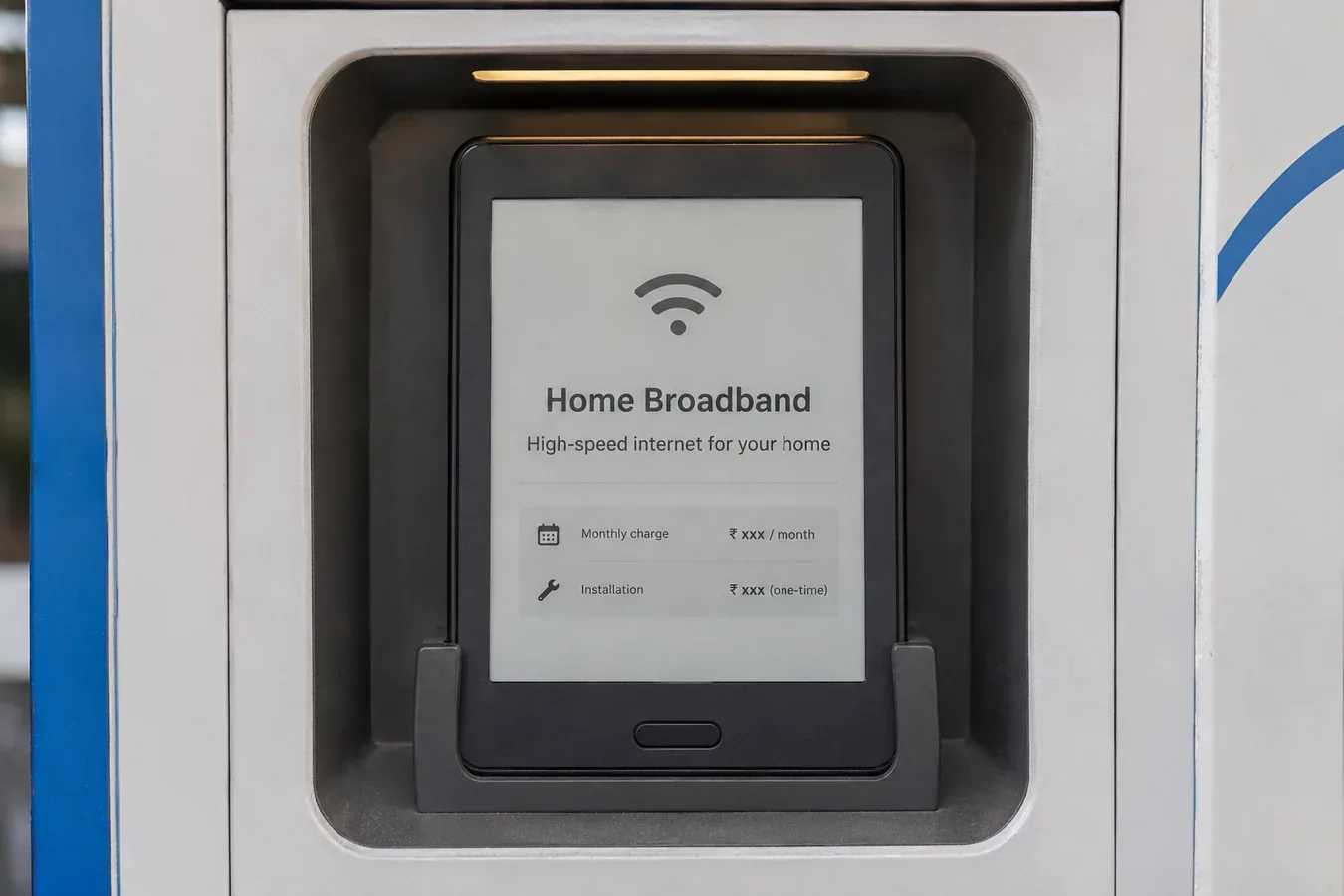
A telecom plan can combine a fixed monthly subscription with charges that vary by usage. One-time items, such as installation, appear separately.
Billing recordsIf the order and billing records hold different prices or start dates, the customer’s first invoice can differ from the agreed terms.
Installation and support · 1 of 3
Service launches
Launching a service brings together the cost of delivery, the performance of the product and the capacity of the teams that will support it.
Launch economics and customer pilots
Recurring subscription revenue builds as customers join. Equipment and installation can cost money before the first bill goes out.
Customer pilotsA pilot gives the provider a chance to see how long installations take and how much help customers need.
Changes to live services
A change to software or a network configuration can affect customers already using the service. Technical teams assess the impact before approving a release.
Release recordsRecords show which customers or sites a change affects, who approved it and when it goes live.
Handover to service teams
At the end of a launch, operating teams take over routine service requests, faults and maintenance.
Open issuesHandover records show which issues are still outstanding and which team will resolve them.
Sales and delivery partners
A software reseller may hold the customer contract while an implementation partner moves the data and trains users. Telecom operators may contract out field installation and maintenance.
Service reporting
Managers can track open orders, active connections and unresolved faults to see where work is building up.
Internal audit
Internal audit can trace a reported figure back to the underlying records and check whether teams follow the agreed controls.
Service reporting and internal audit
Order, fault and billing records give managers different views of the same service.
Billing and support
Partner agreements name who invoices the customer and takes the first support call.
Technical responsibility
Telecom operators retain network acceptance and security approvals.
Outsourced service providers
Partner agreements identify who bills the customer, provides support and approves the technical work.
Site contractor records
Site records identify the contractor crews assigned to installation and maintenance work.
Shift and attendance records
Shift records and attendance records inform payroll and help managers reconcile billed contractor hours.
Workforce and contractor records
Field operations can involve employees and contractor crews working across several sites.
SPPARC services for technology and telecom
See organisations our people and associates have worked with in Our clientele.