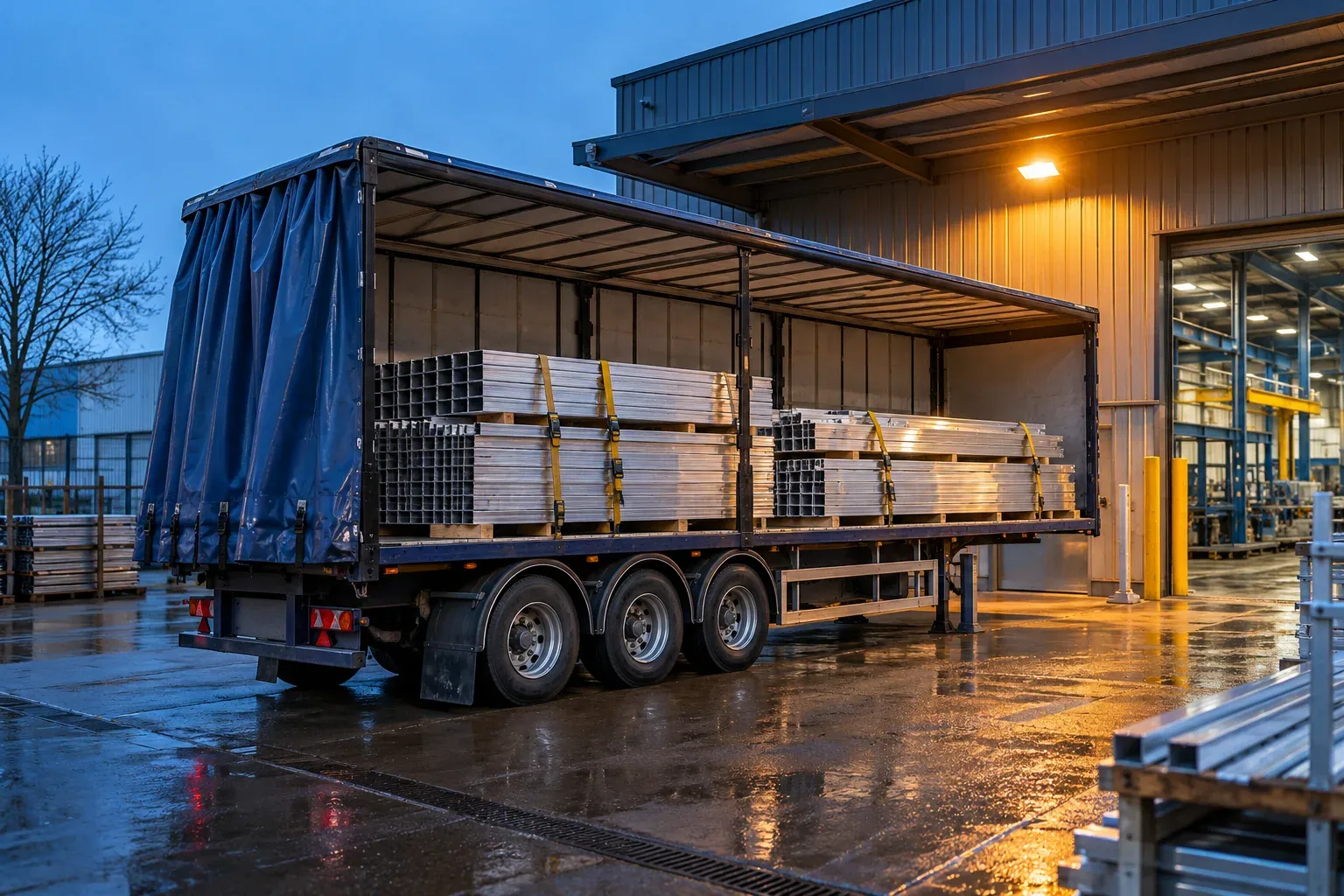
Receiving and material supply
A warehouse can be full while the line waits for a particular grade of aluminium or batch of castings. A second source gives buyers another option when a supplier is at capacity or cannot deliver in time.
 SPPARC

Industrial manufacturers, materials suppliers and equipment makers. A new factory needs a site and utilities. An expansion needs space and installation time around running shifts. A pilot line needs fixtures that can change between trials.
At a new factory, truck turning space and the position of loading bays shape the site layout. The equipment plan shows where the building needs power, water or compressed air.
At an operating plant, a new line may share an aisle or loading bay with existing shifts. Space beside a cell can serve as staging, but bins waiting there can also block the next delivery.
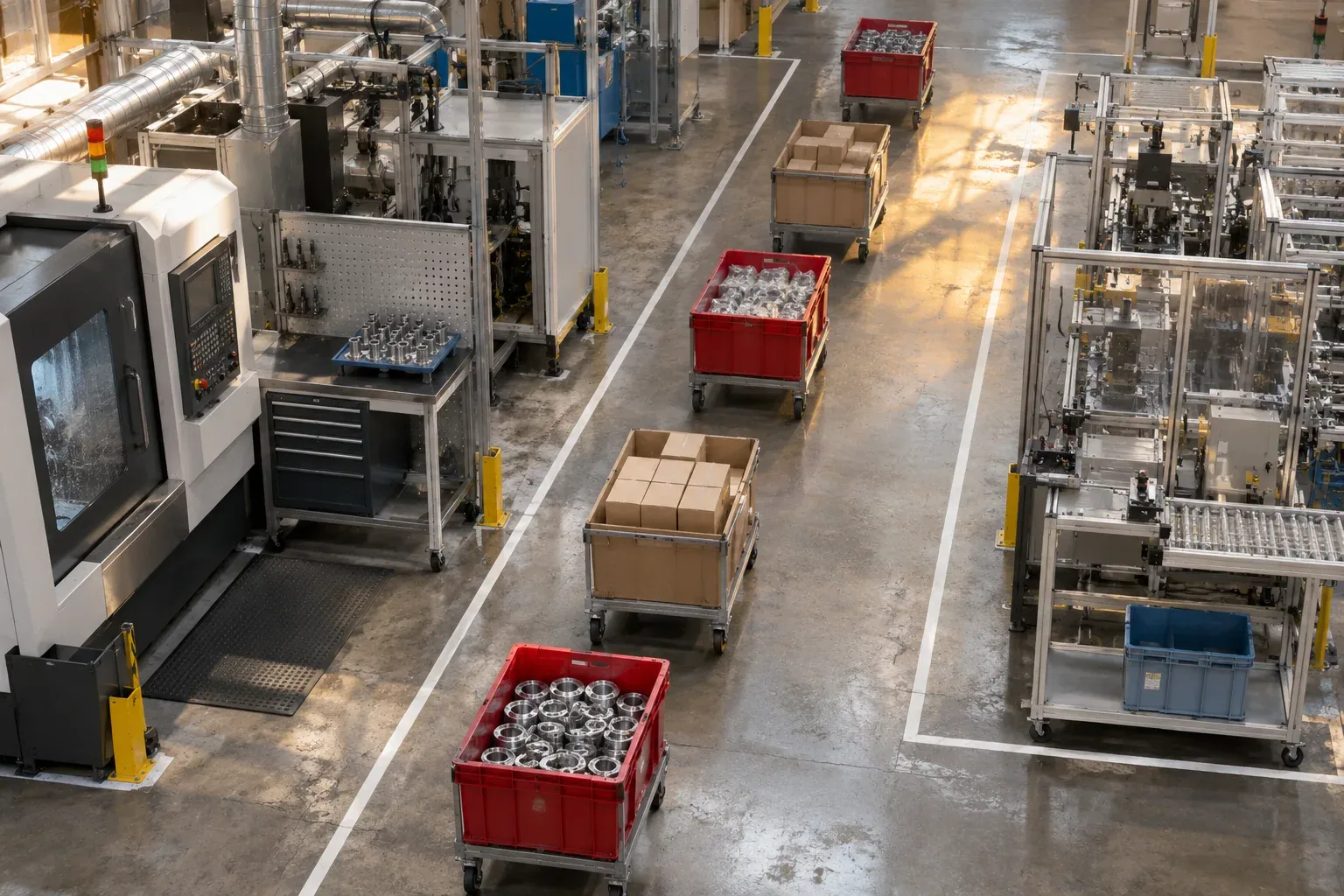
At an established plant, a delay at receiving, on the line or at inspection can move the shipping date and delay payment.
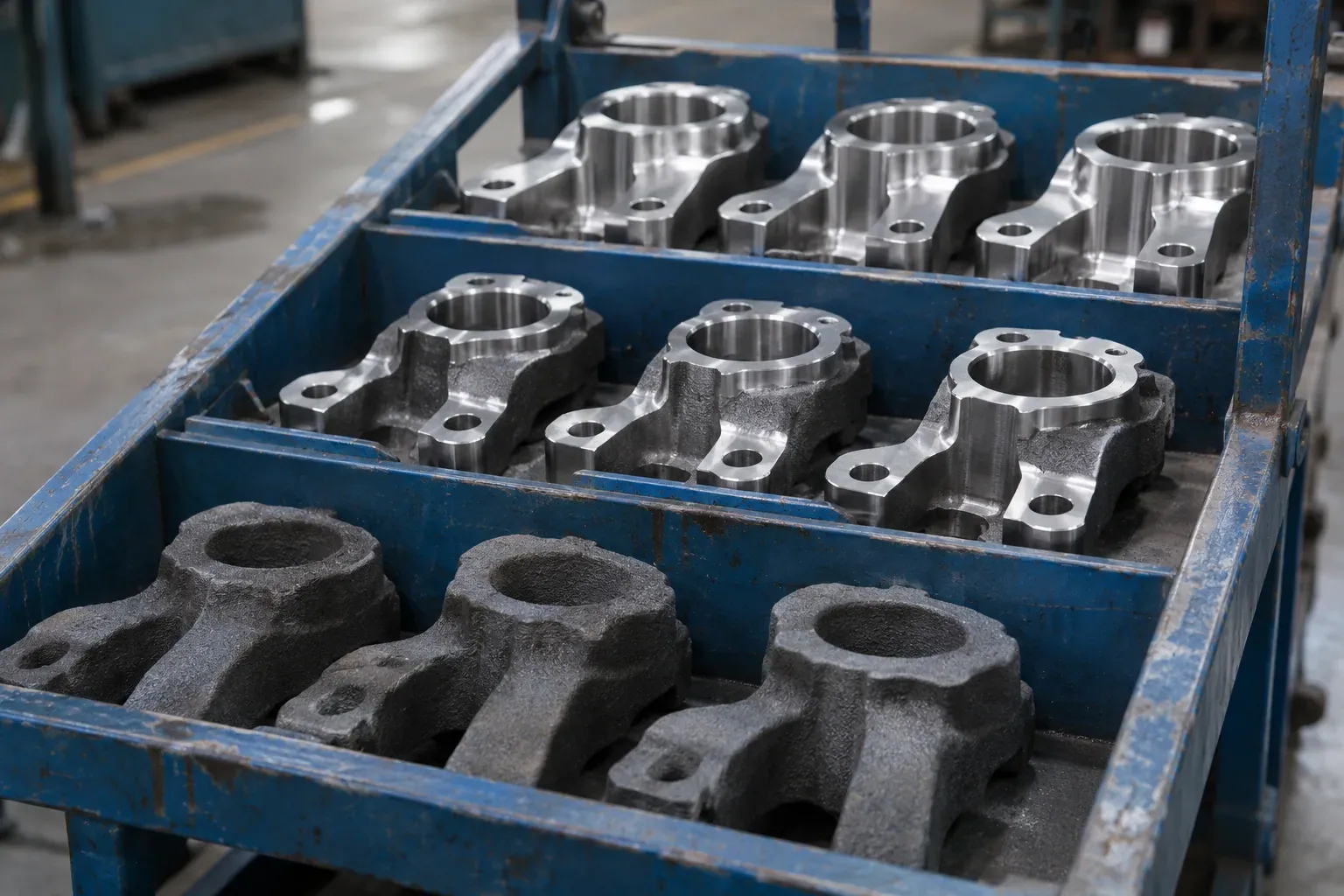
A warehouse can be full while the line waits for a particular grade of aluminium or batch of castings. A second source gives buyers another option when a supplier is at capacity or cannot deliver in time.
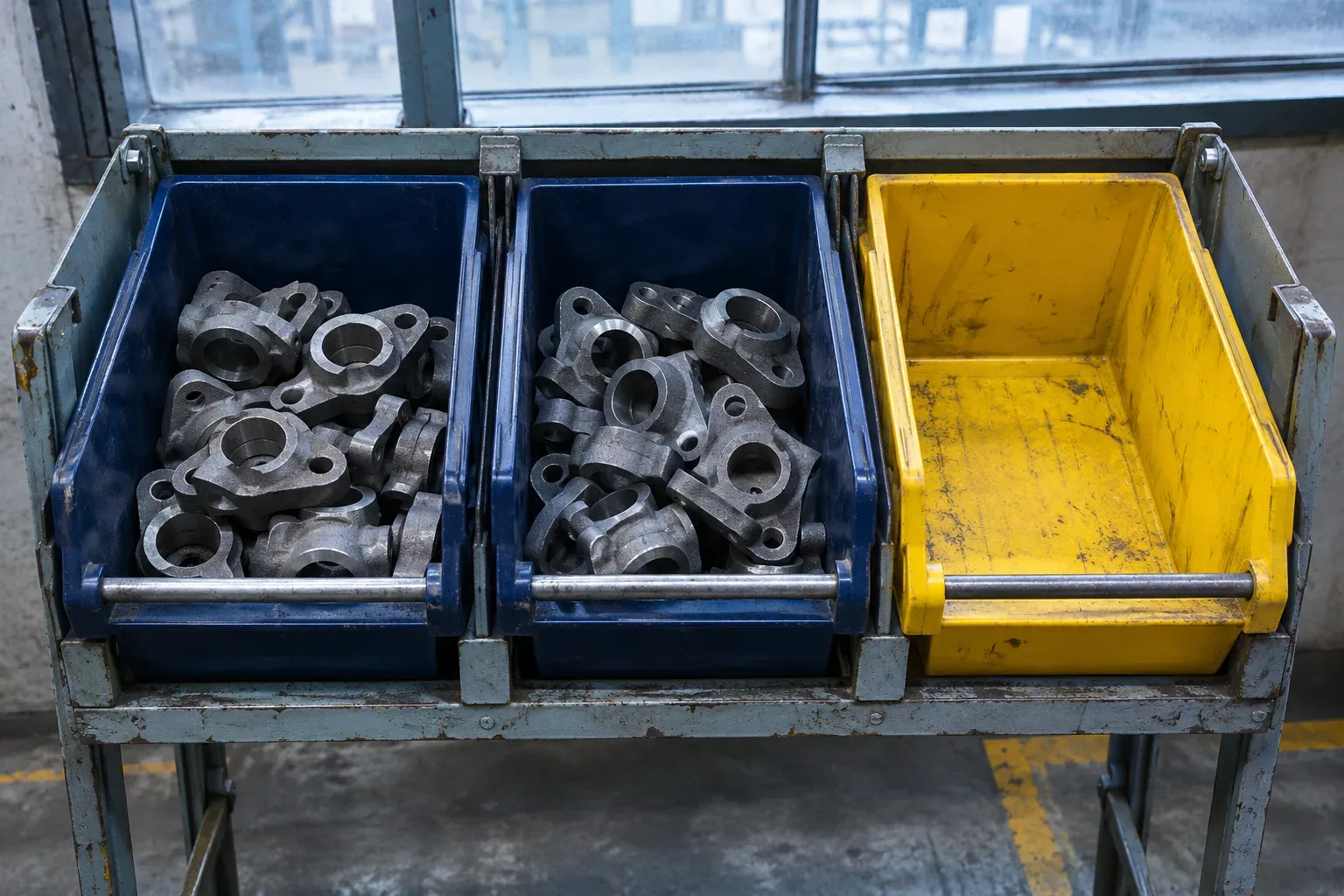
A change of tool or fixture takes time out of a shift. If machining turns out parts faster than the next station can process them, the bins fill up while the line’s finished output stays the same.
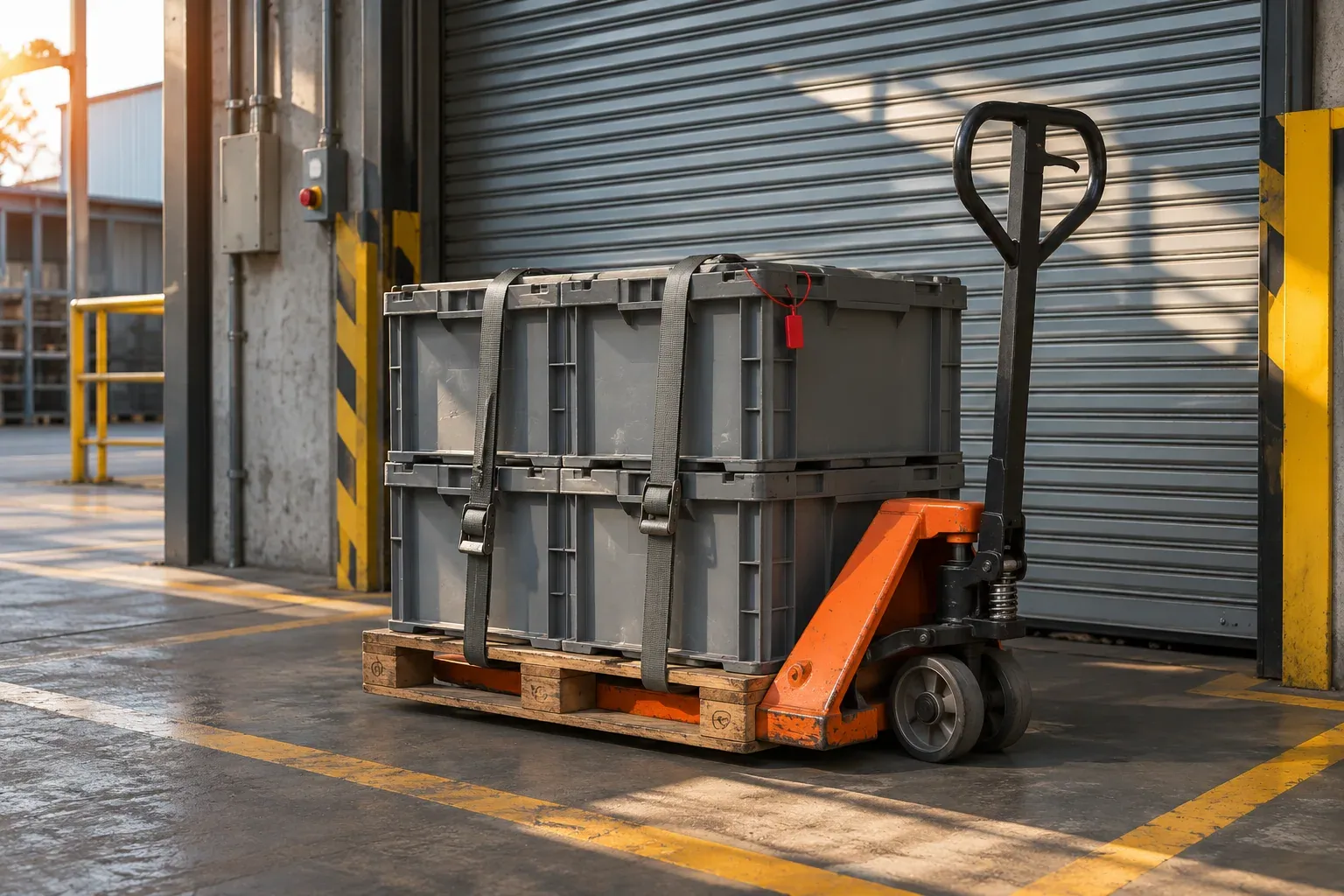
A batch awaiting inspection cannot fill an order that needs released parts. Dispatch planners check which quantities have cleared inspection before booking or loading a shipment.
Materials, labour and processing cost money before the goods leave the plant. When payment comes after shipment, the value moves from inventory to receivables and stays there until the customer pays.
A delay alone rarely identifies its cause. A record can show when a batch arrived, where a fault appeared or which parts are still waiting for release.
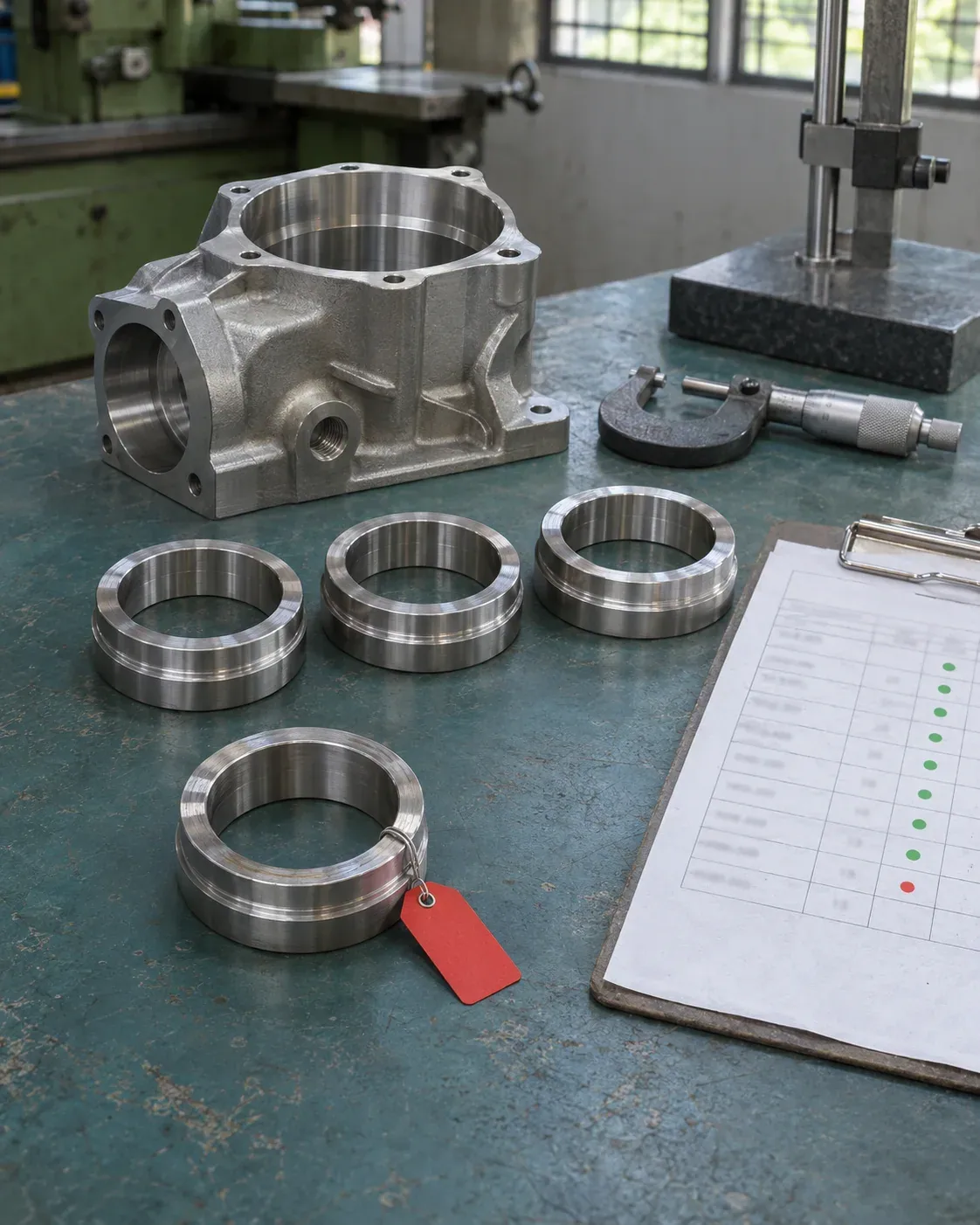
A recurring fault can point to a process step that needs a closer look.
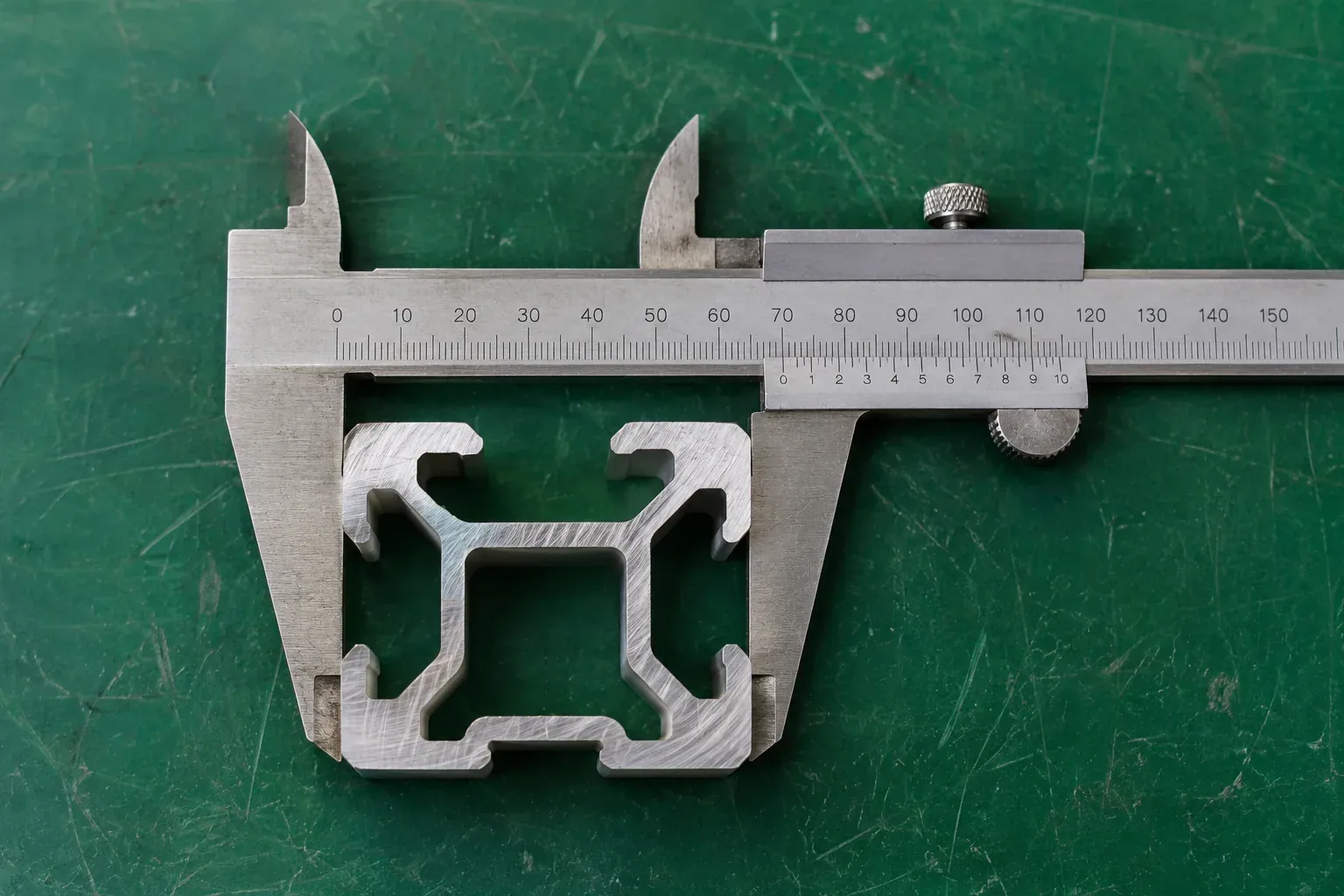
Late deliveries can leave shifts short of materials. Rejected parts can hold up production even when stock has arrived.
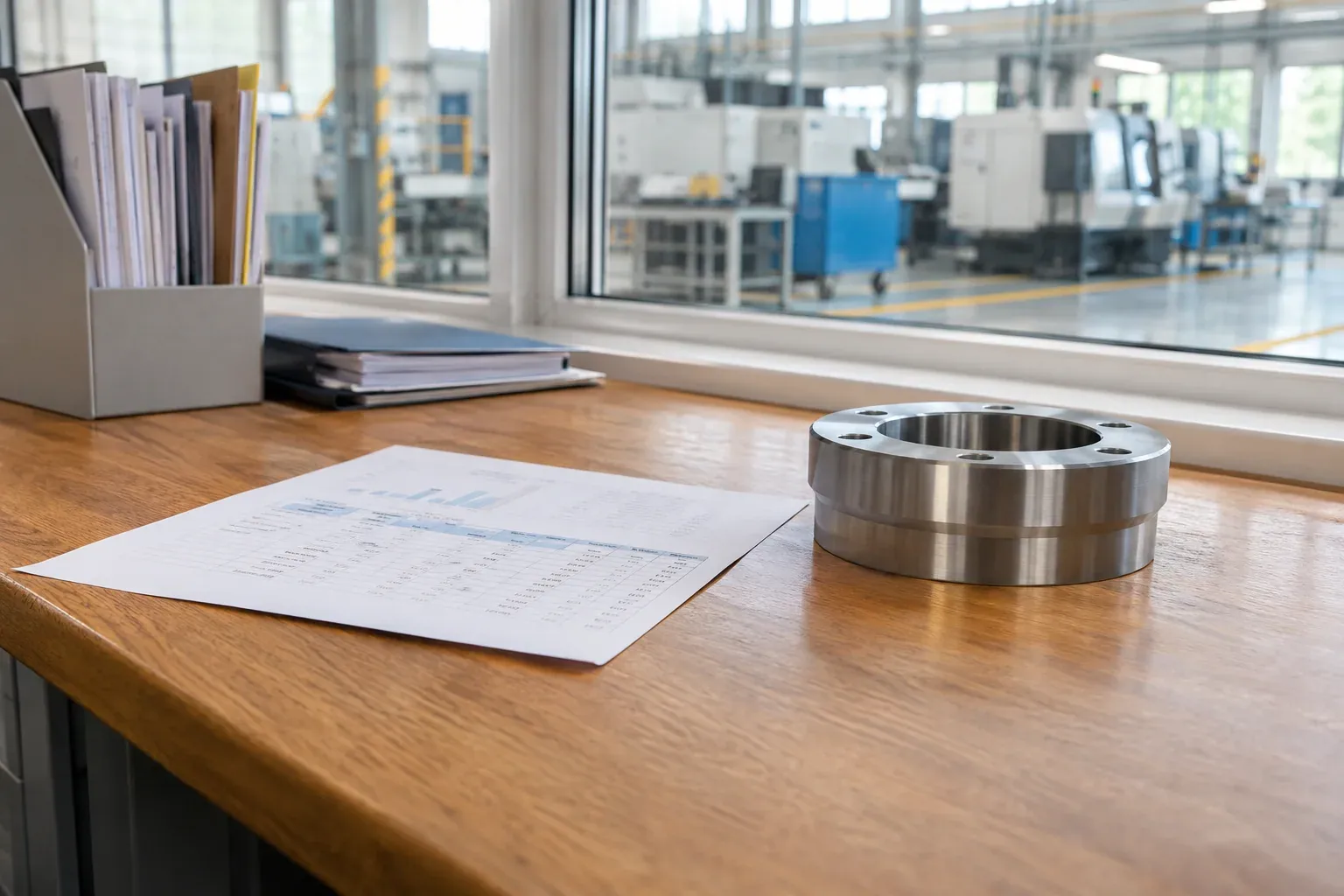
Slow stock and overdue invoices hold cash at different points in the production cycle.
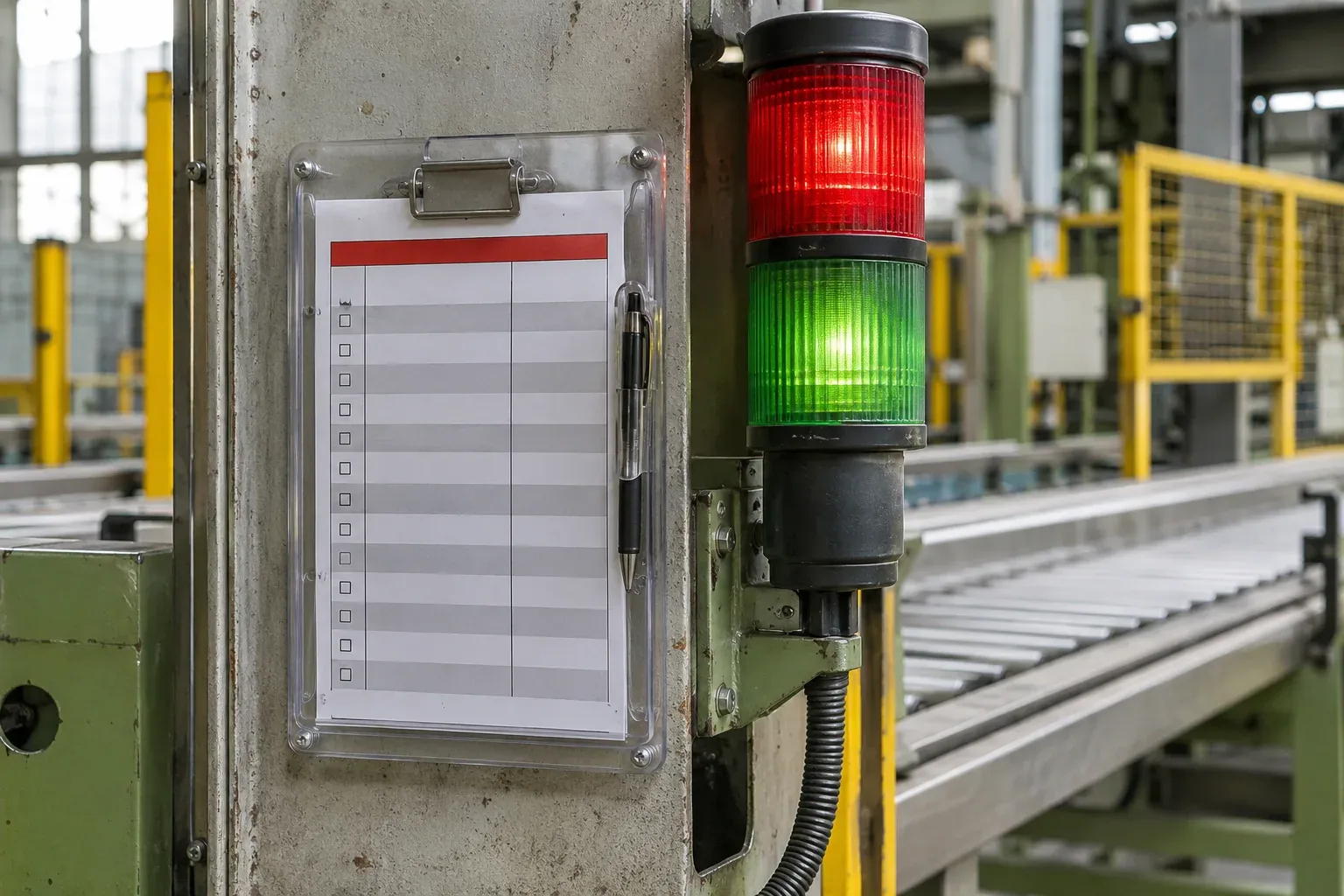
The plant team takes over the equipment, operating instructions and records from the project team.
The responsible technical teams approve equipment. Qualified specialists handle regulated work.
Equipment suppliers, operators, quality teams and site managers have different roles as a line moves from trials to regular production.
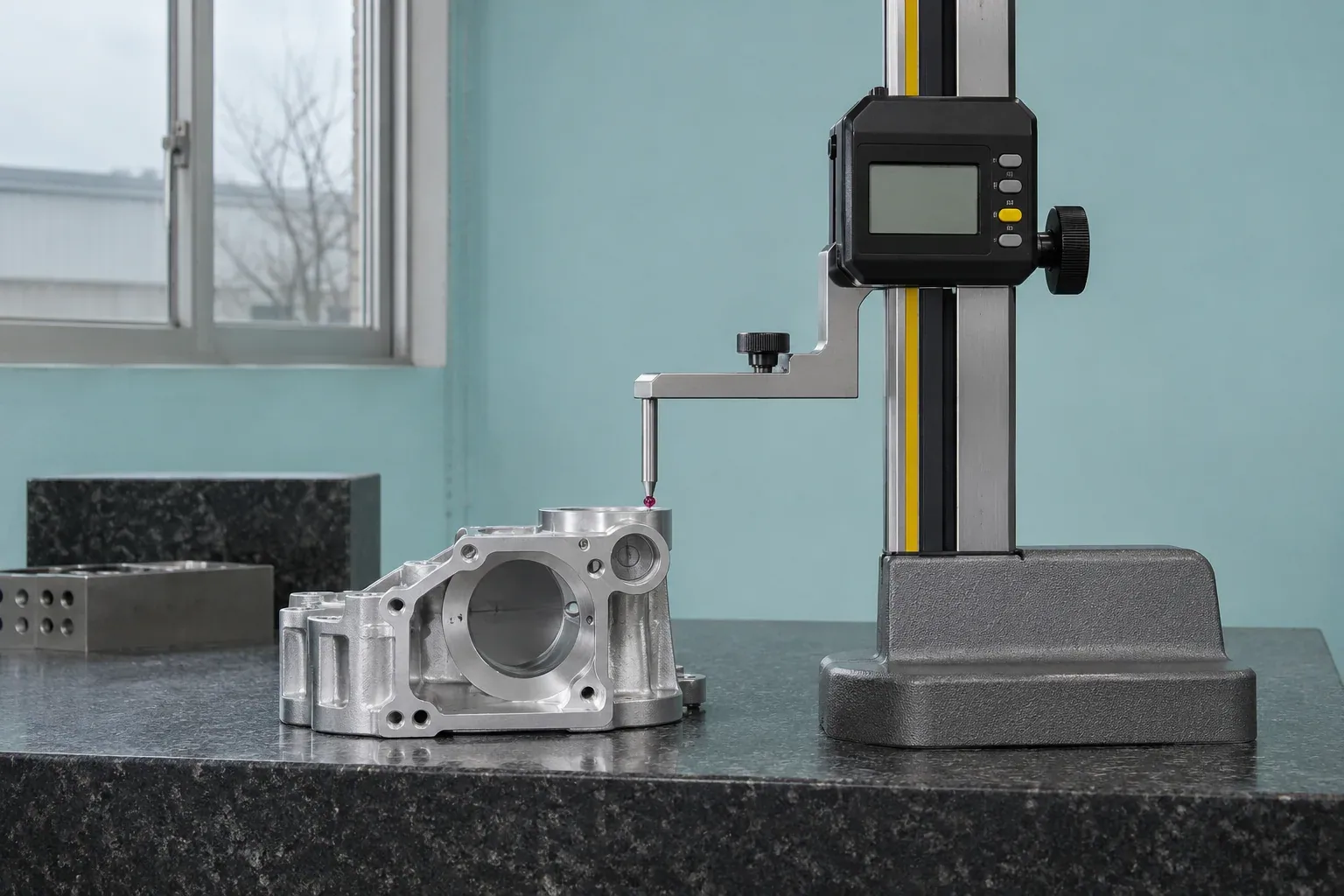
Commissioning checks whether equipment operates as intended. Early runs give operators and quality teams a chance to check output and inspect parts with the materials the plant will use in production.
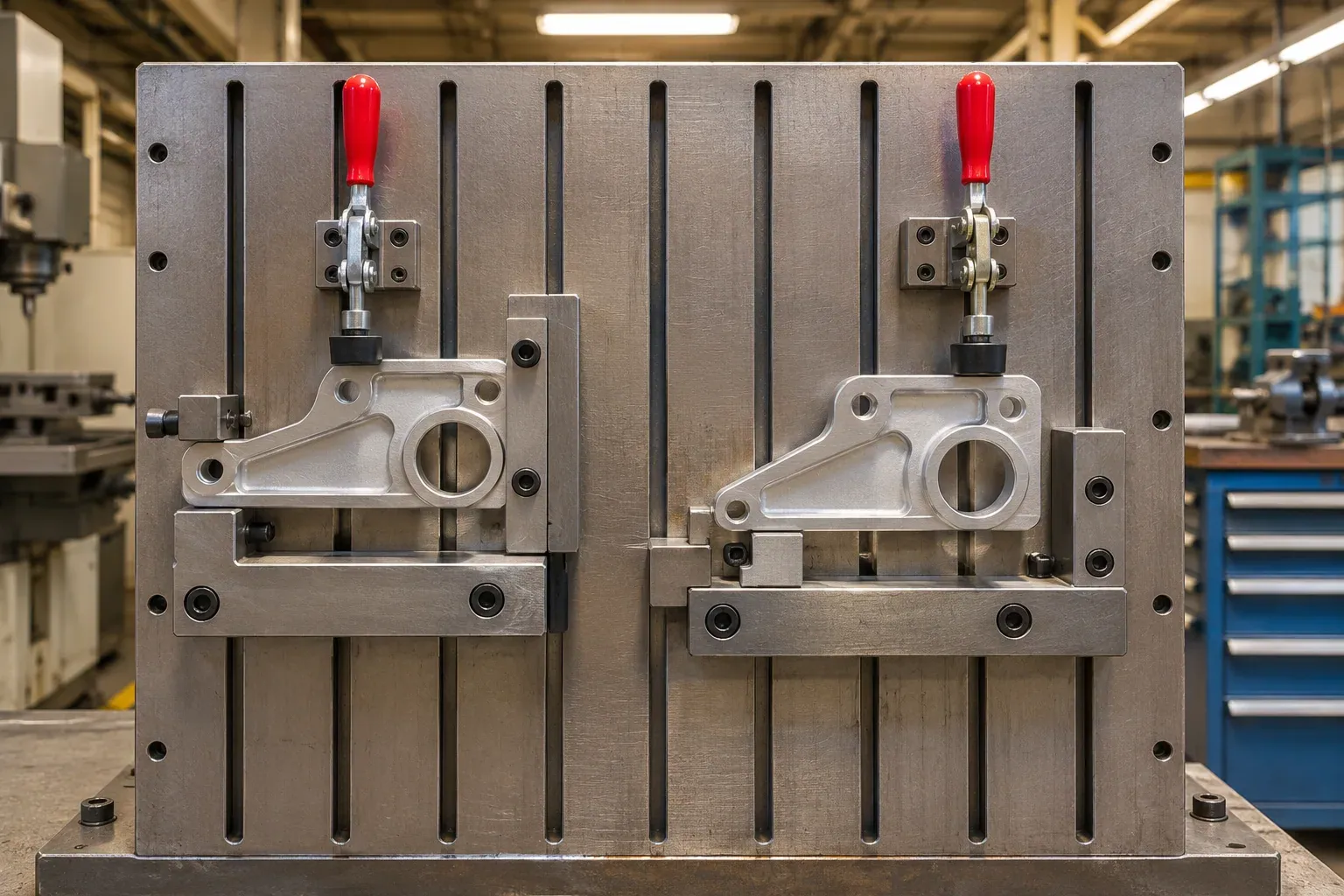
Lean focuses on work that adds time or effort, such as repeated handling or unnecessary trips between stations. Six Sigma uses measurement to understand why results vary between production runs.
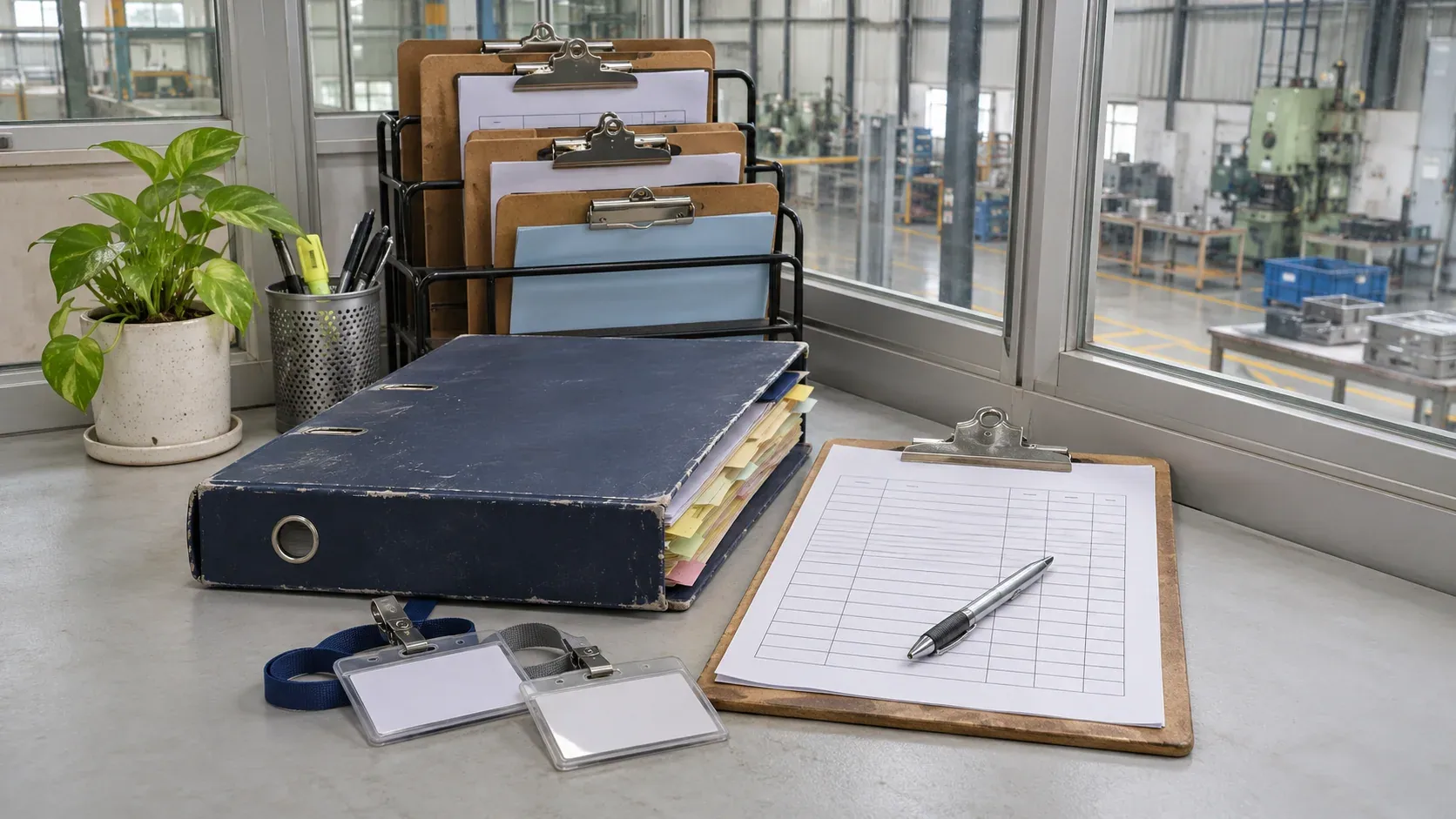
Site teams keep track of which factory licences apply and when they expire. Contractor records and inspection findings sit alongside those licences in the site’s compliance records.
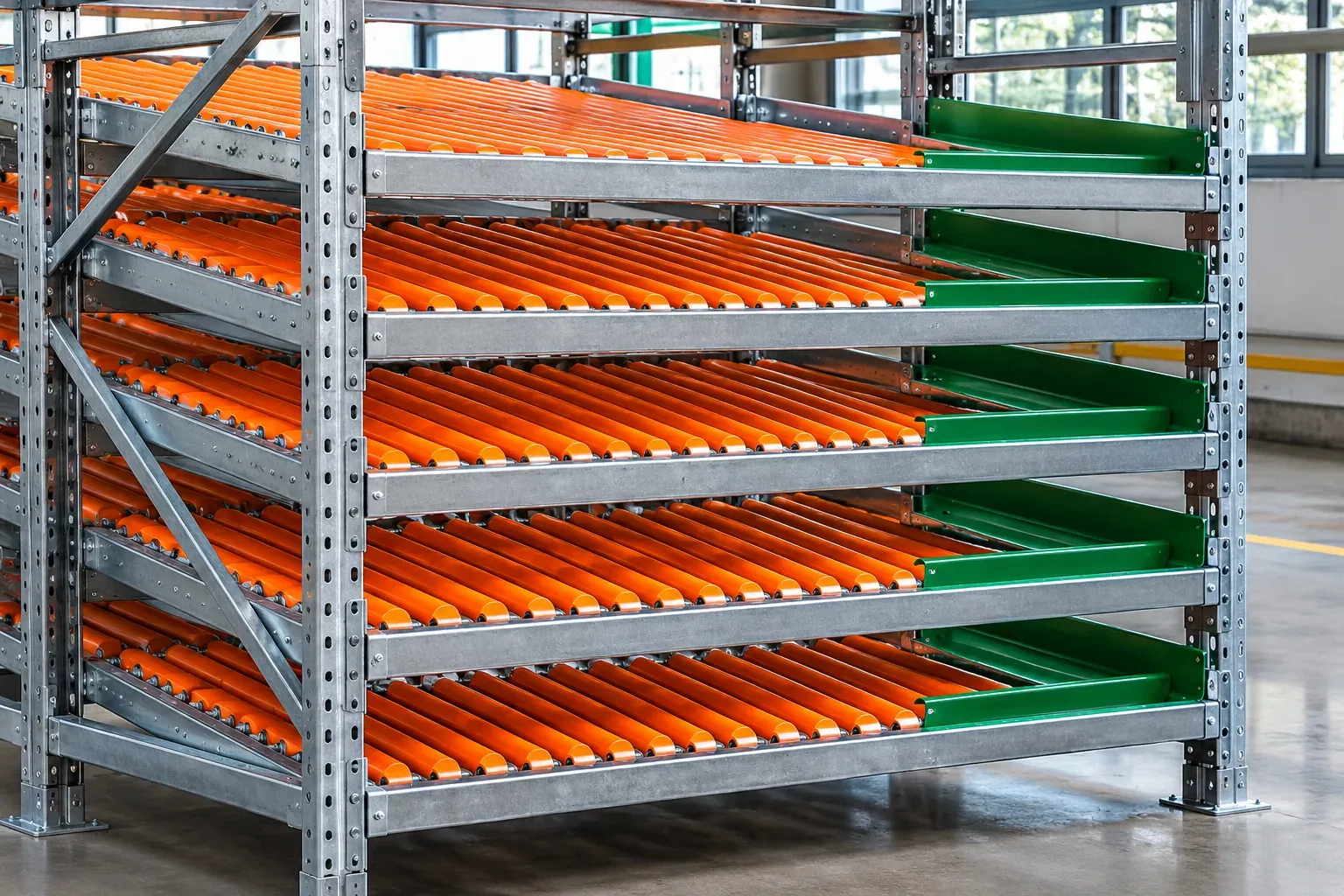
Line capacity, production schedules and inventory planning.
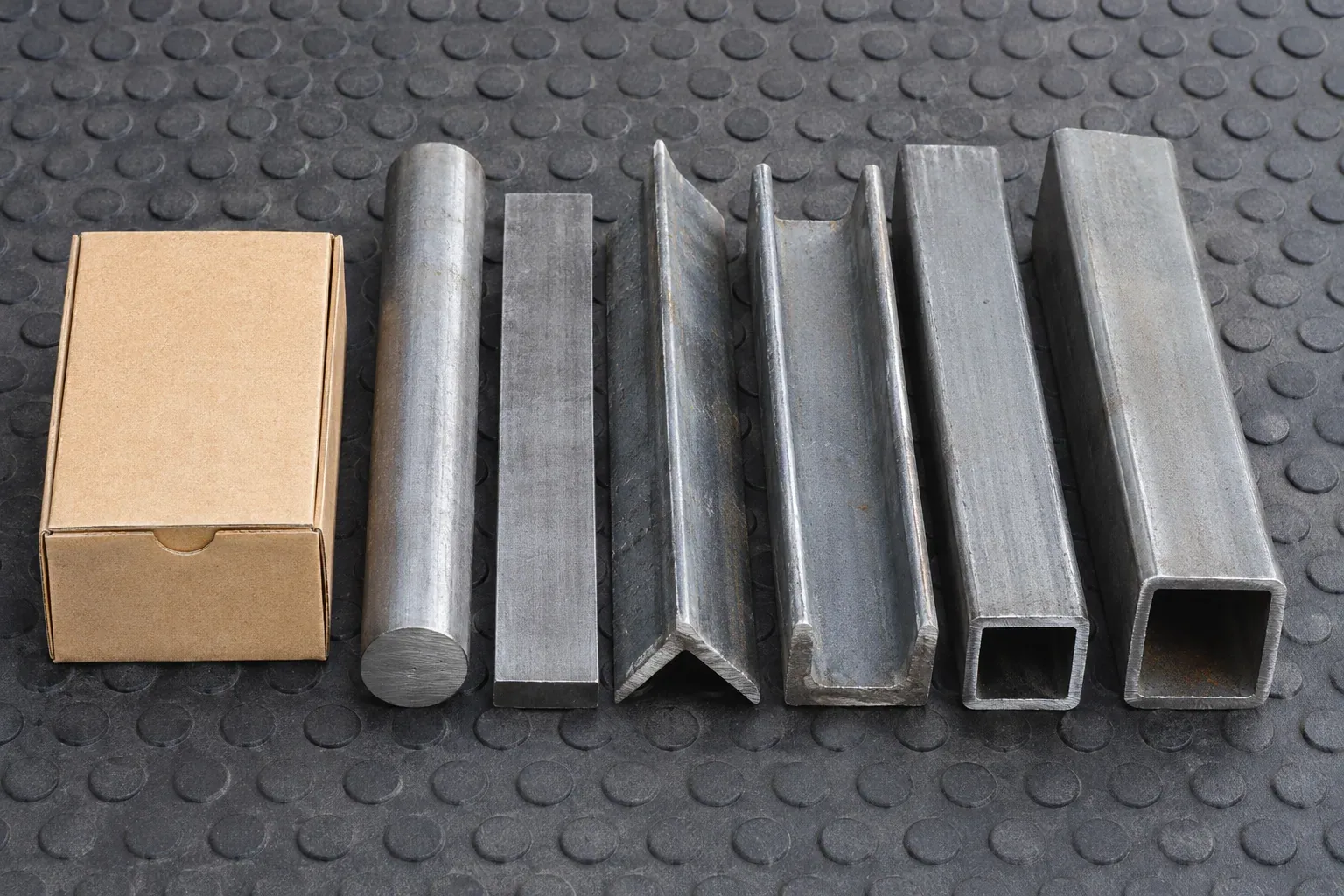
Local sourcing, tenders and supplier development.
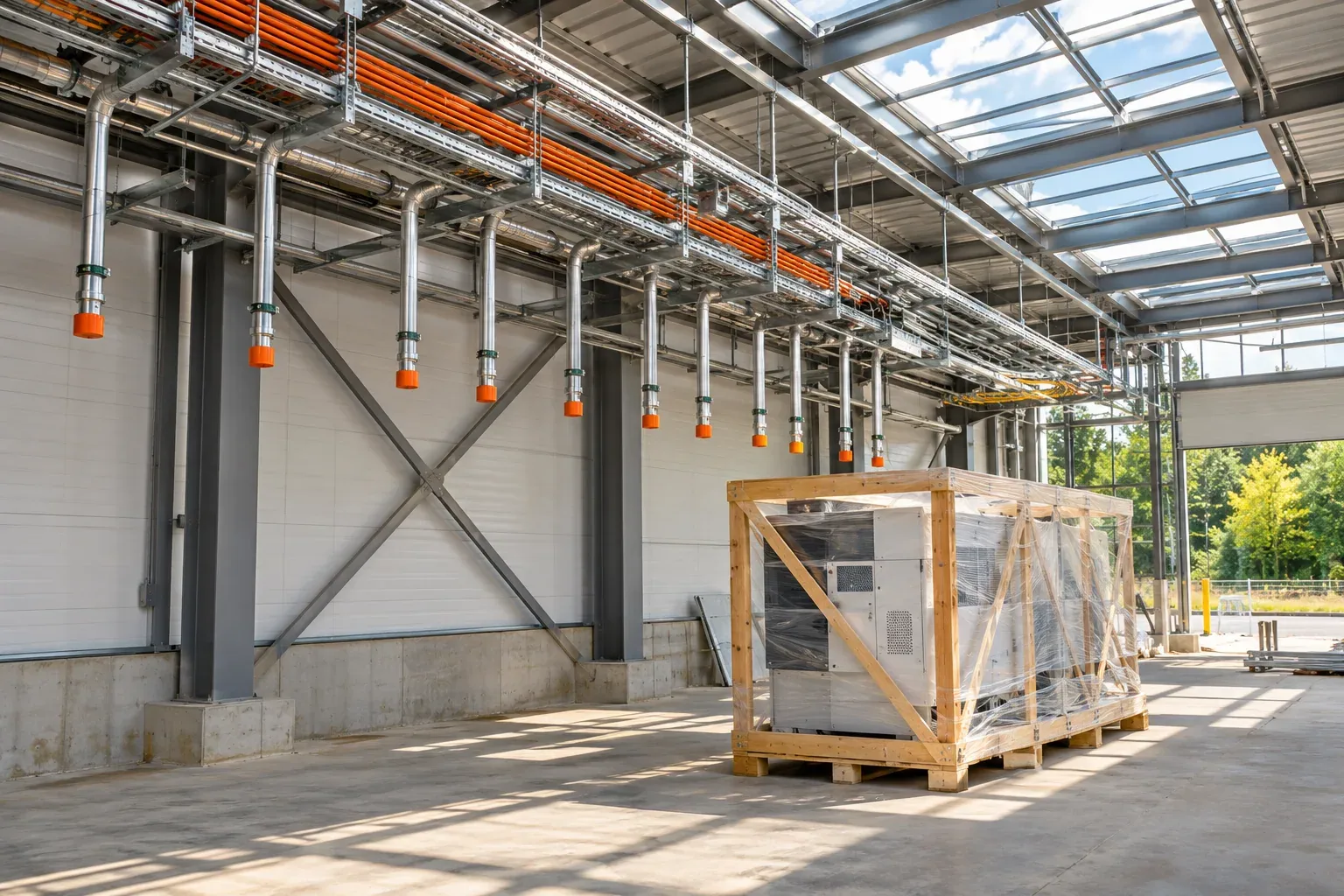
Site selection, plant layouts, equipment installation and commissioning.
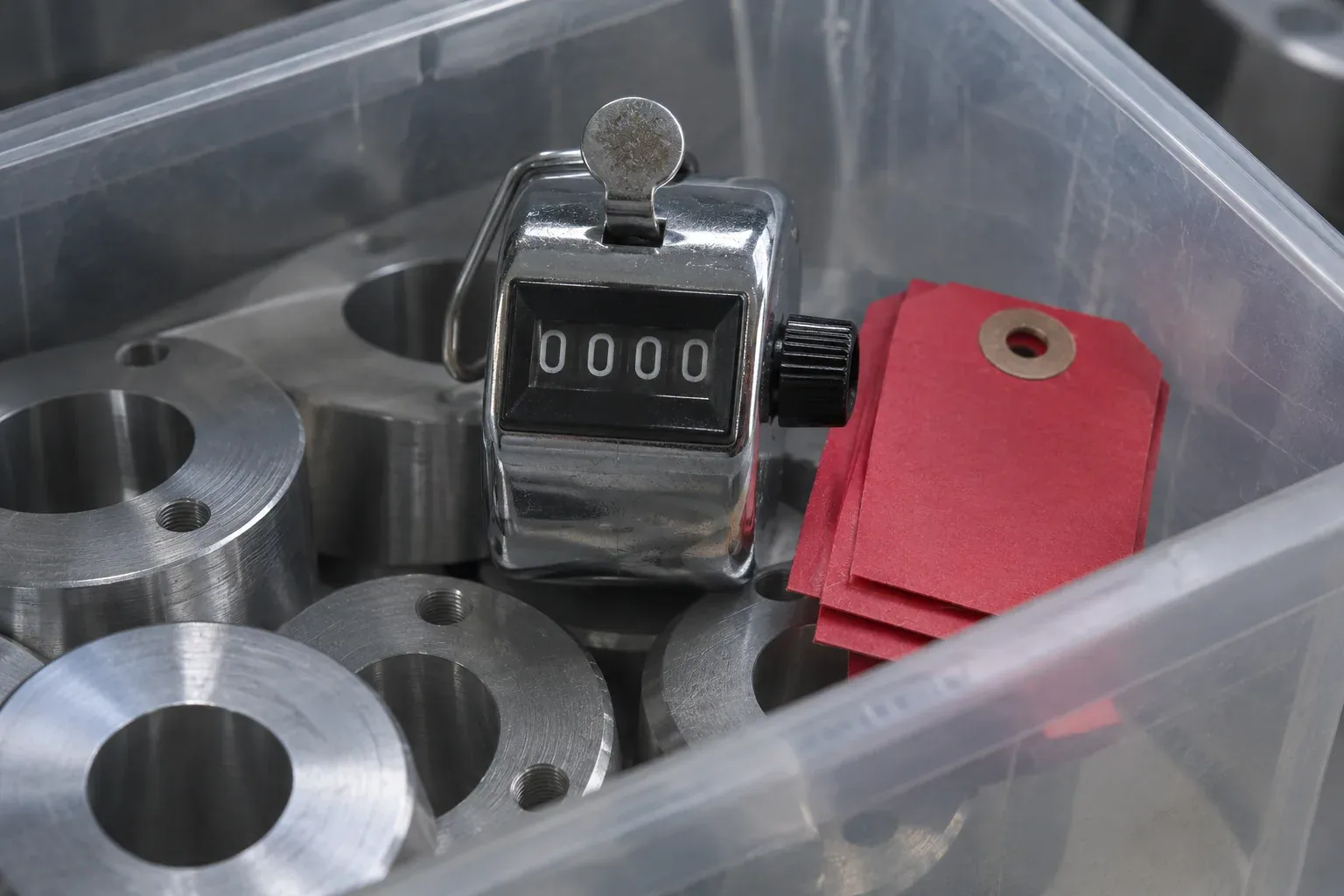
Plant budgets, cash forecasts and working capital.

Manufacturing and industrial experience across SPPARC’s people and network in Our clientele.
Contact SPPARC