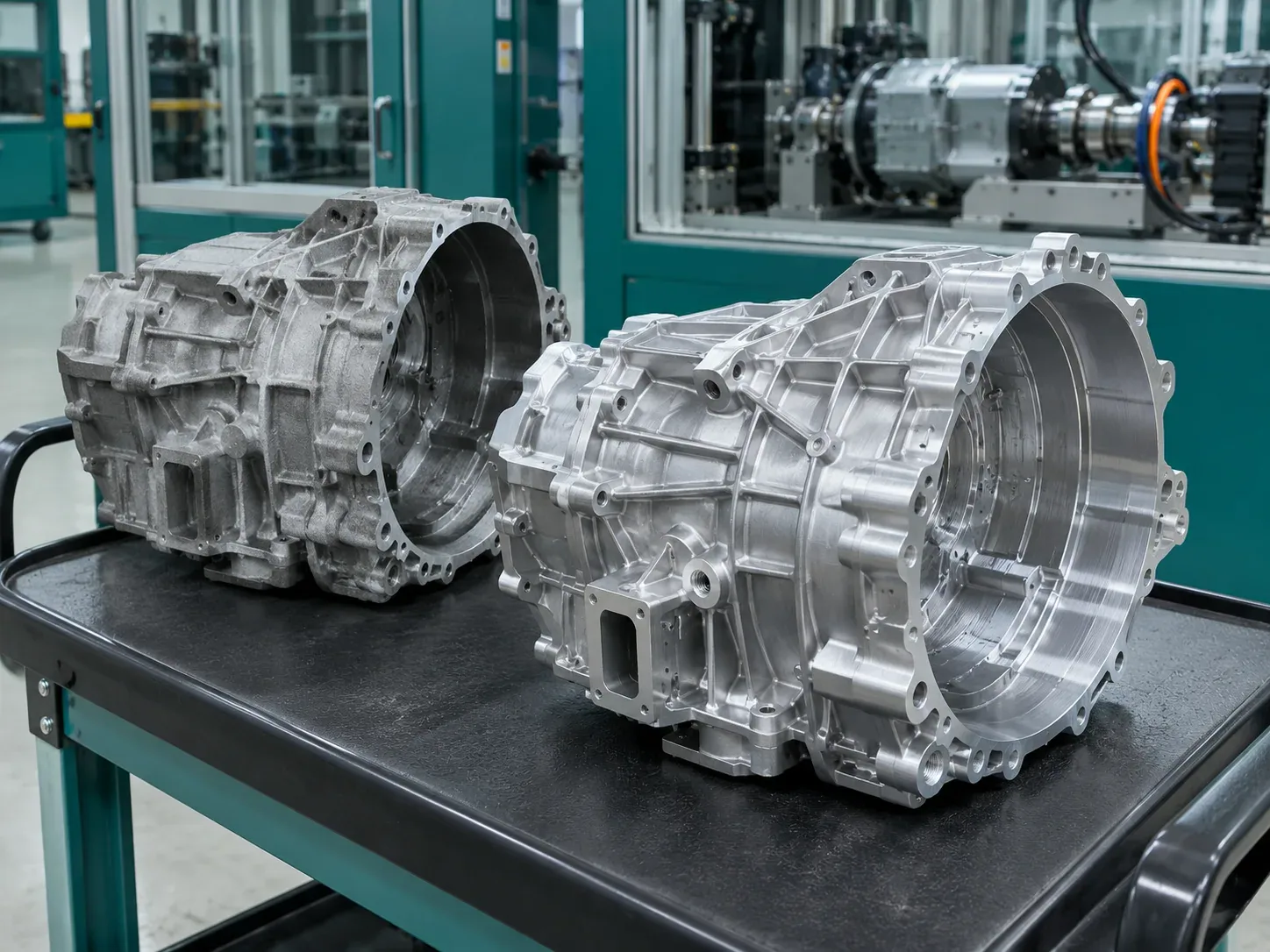
Prototype revisions
These two axle housing prototypes illustrate why buyers specify a drawing revision before ordering a production tool. A later change can mean reworking the tool and deciding which parts on order can still be used.
 SPPARC

Vehicle manufacturers, component suppliers and toolmakers. Sourcing choices shape tooling investment, unit cost and the date a part can enter production.
Imported components
An existing overseas tool can save upfront investment. Freight, duties and longer replenishment times still affect the landed cost and the stock a plant carries.
Local suppliers and tooling
A local quote may price the mould or die separately from the part. Expected order volumes determine the tooling cost per part. A transmission supplier can localise the cast housing while continuing to import the gears.
In-house production
Tooling, equipment and staffing sit in the plant budget. The investment depends on the output and quality the new line can sustain.
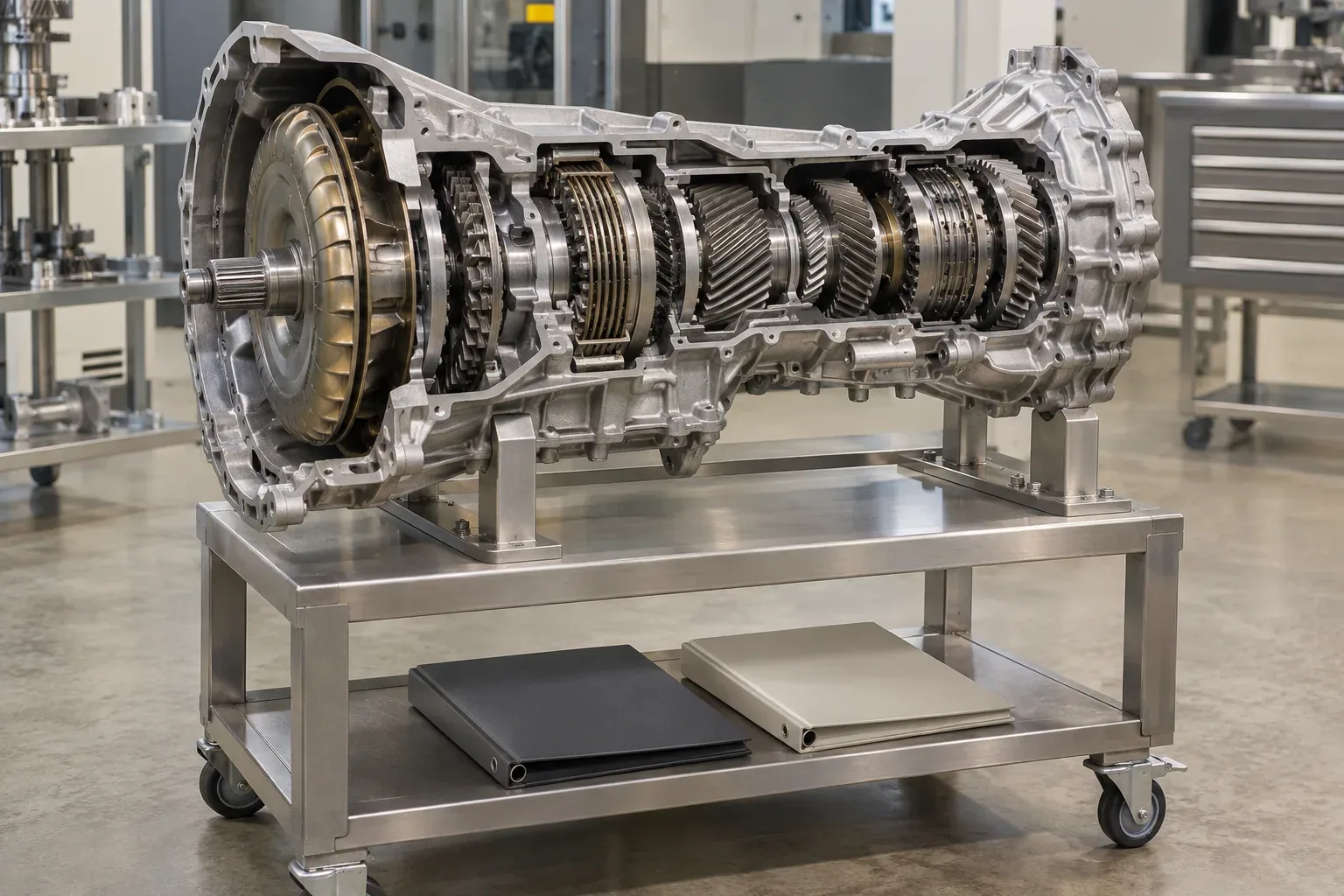
The vehicle maker specifies the part and when it needs to arrive. The component supplier and toolmaker develop a way to make it repeatedly at the required pace.
These two axle housing prototypes illustrate why buyers specify a drawing revision before ordering a production tool. A later change can mean reworking the tool and deciding which parts on order can still be used.
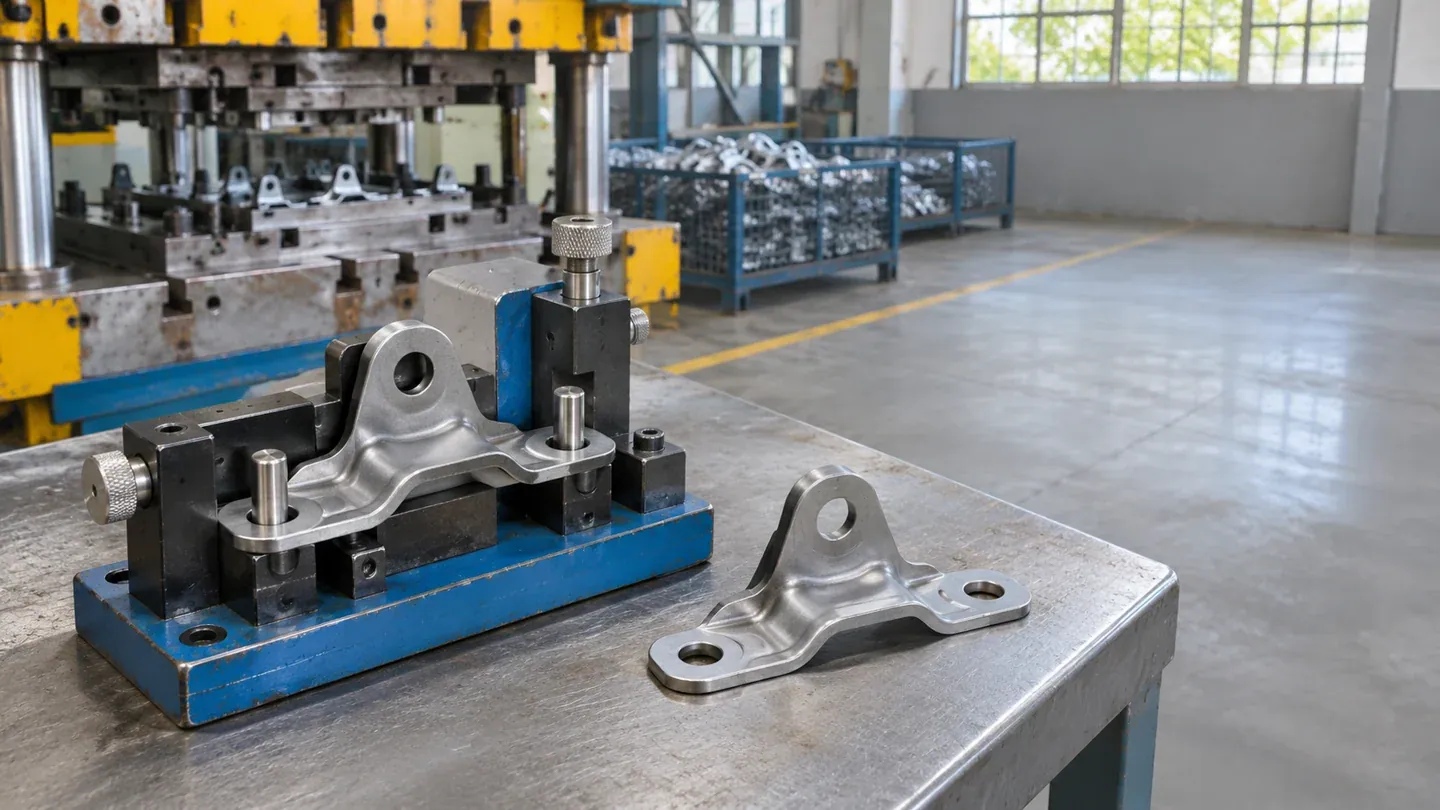
Parts made with the intended production tools give engineering and quality teams a basis for comparing dimensions and fit with the approved drawing. They also show where the supplier still needs to adjust the process.
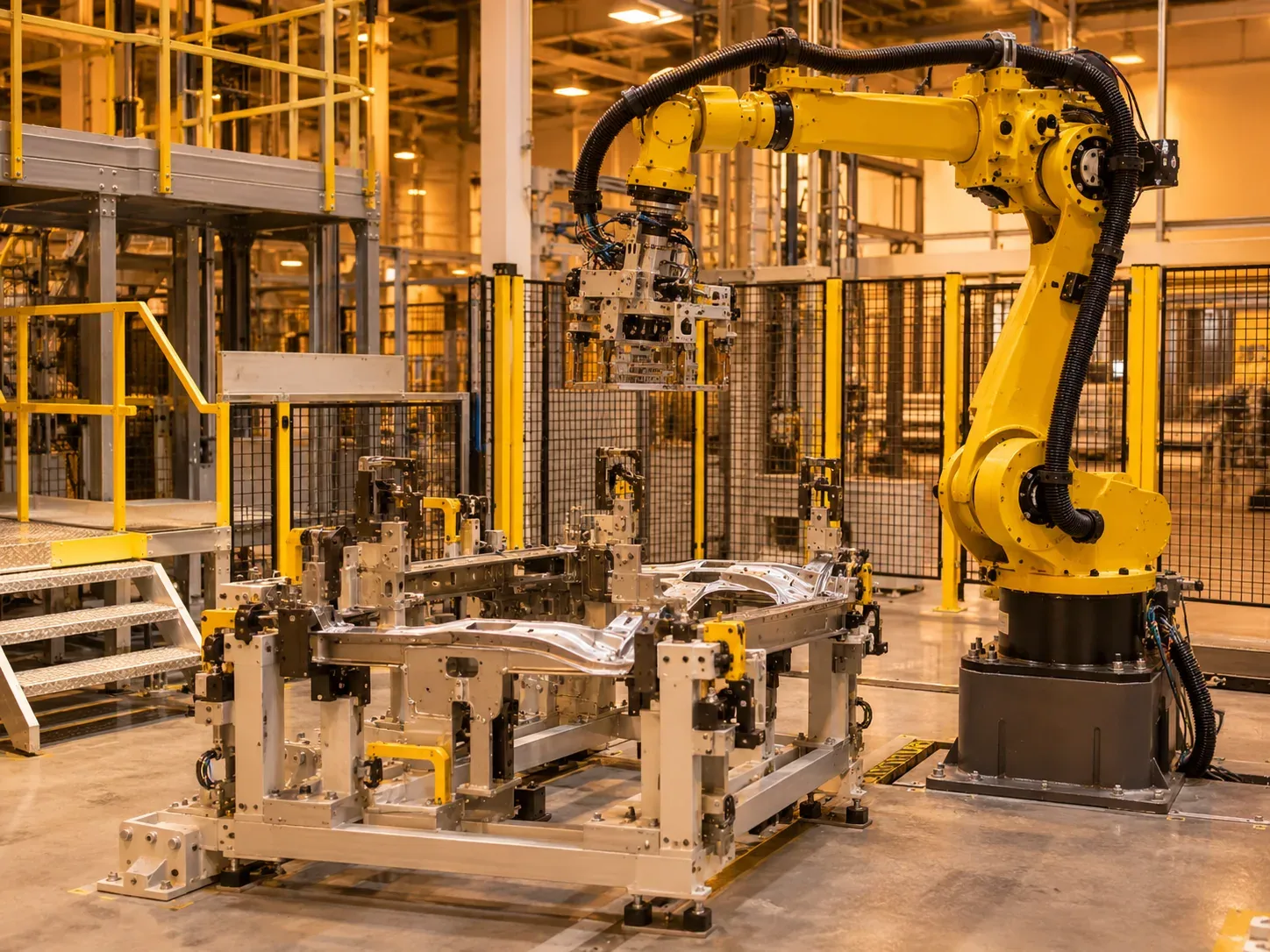
A line trial brings production tools, materials and operators together. Teams measure cycle times and check whether the process can make conforming parts at the planned pace.

Engineering and quality teams decide whether the parts meet the vehicle requirements. Their release record tells the plant and the supplier which revision can go into regular production.
Supplier records, equipment orders and cycle times show whether parts and production lines are on track for launch.
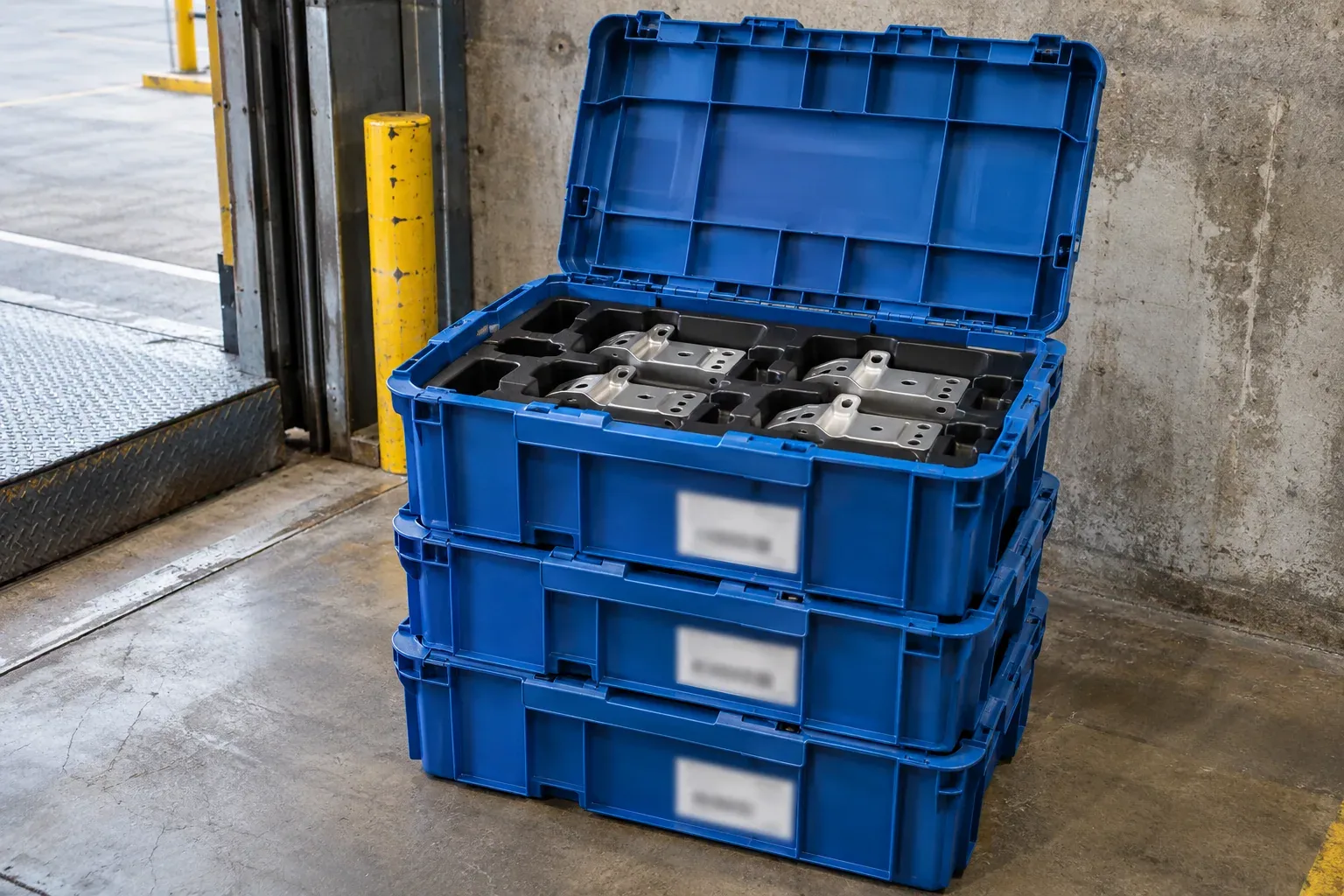
Even a small shortage can interrupt assembly when the line needs the part to build a vehicle.
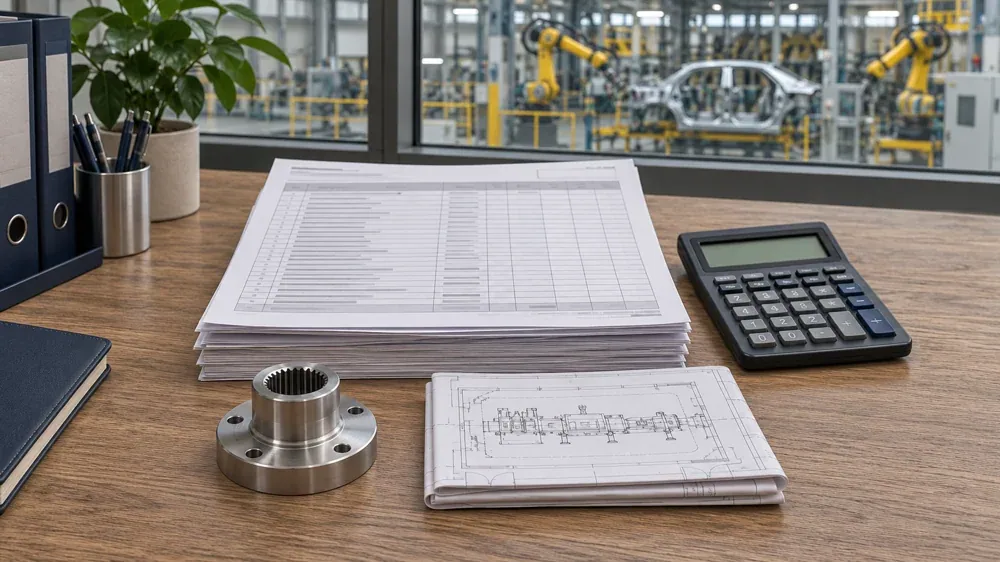
Equipment orders commit spending before the new line starts producing parts.
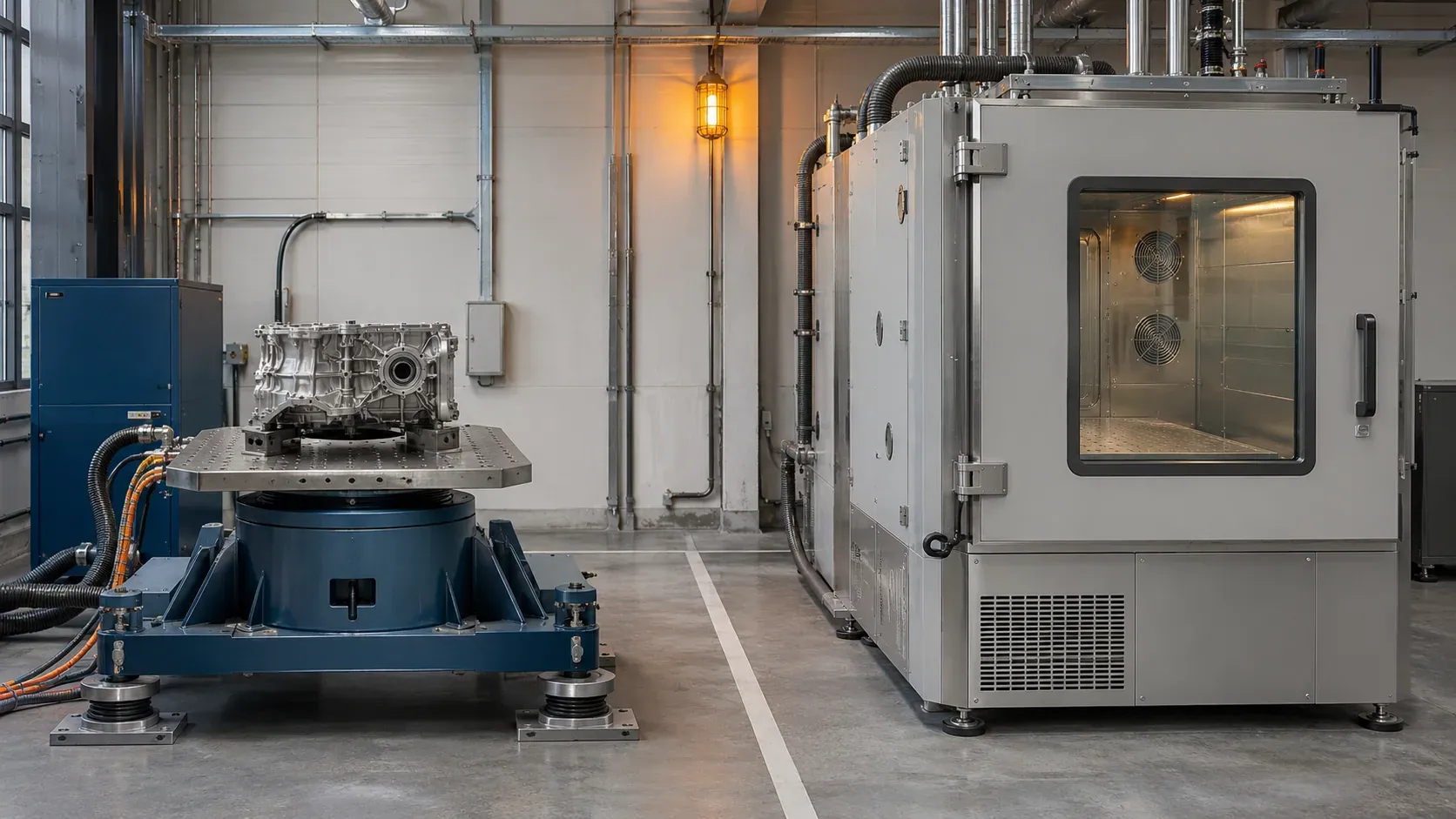
Changeovers and downtime reduce the hours available to make parts.
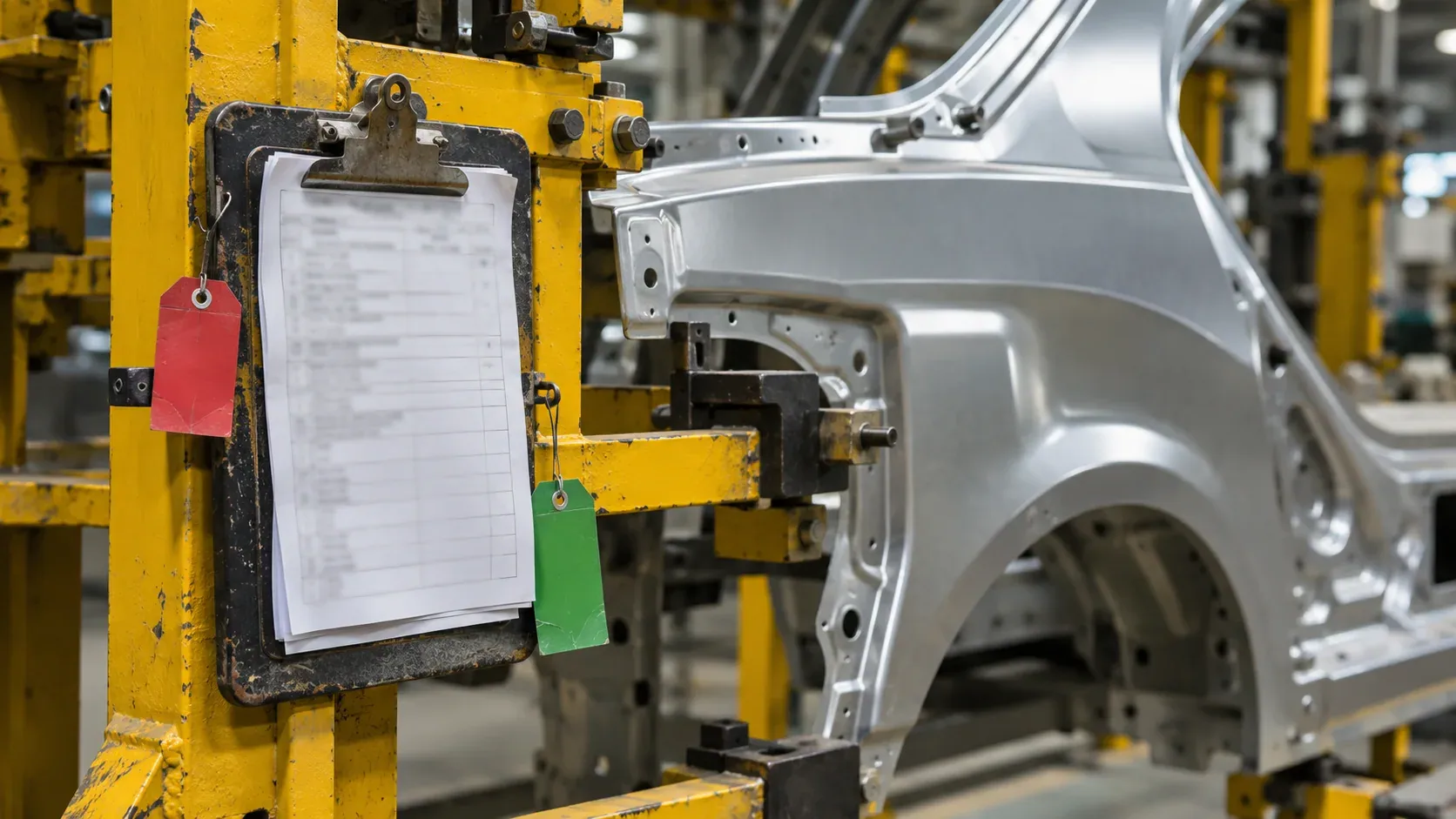
A batch number links finished parts back to the production run and its inspection records.
SPPARC Managing Director Akshay Singla worked at Maruti Suzuki India and Suzuki Japan. His automotive experience includes equipment and component procurement, supplier development and vehicle testing.
Once a line is running, the plant needs a steady flow of parts and time to service equipment between runs.
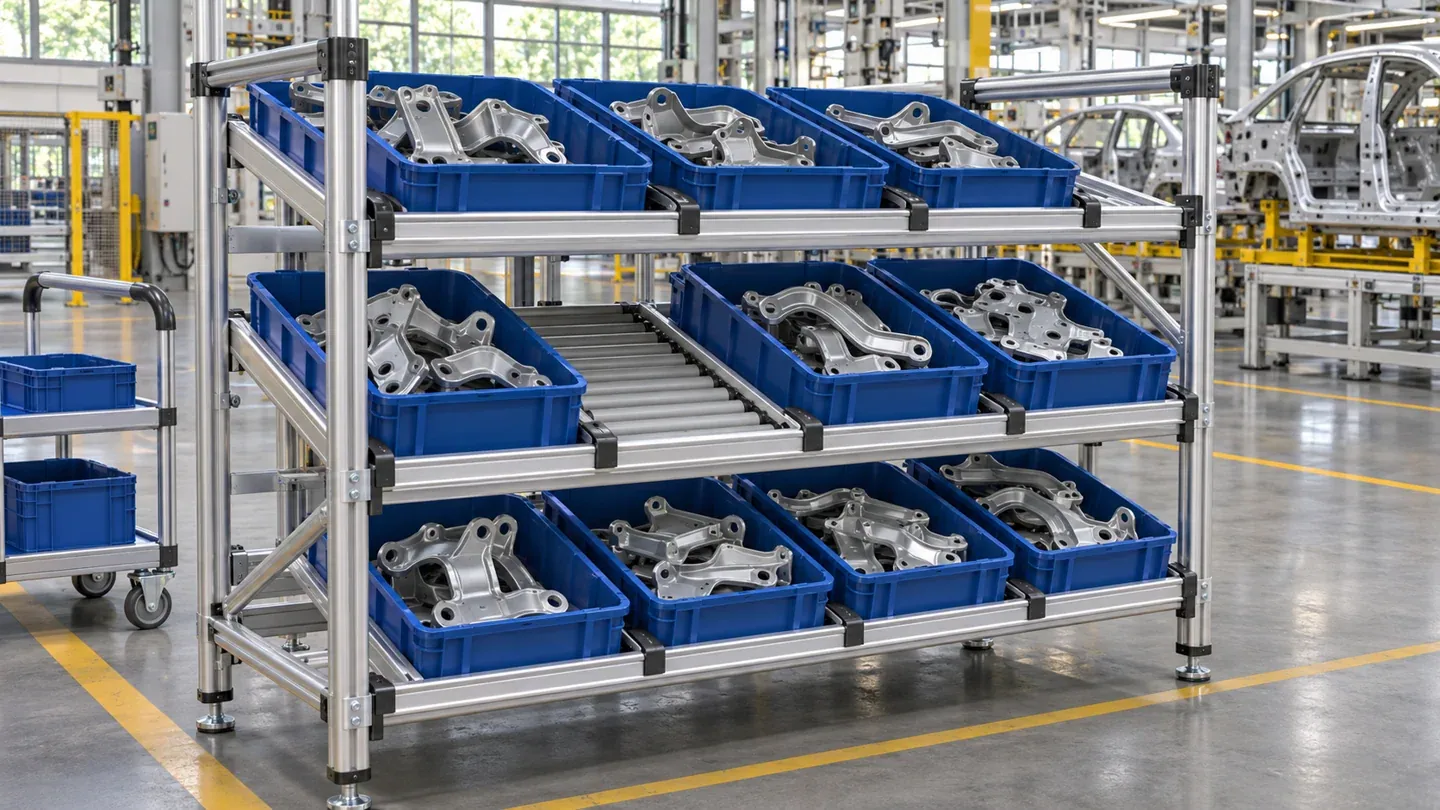
Production planners use the build schedule to work out how many of each part the plant needs and when. Buyers check stock on hand and deliveries already due before releasing another order.
Supplier quality and delivery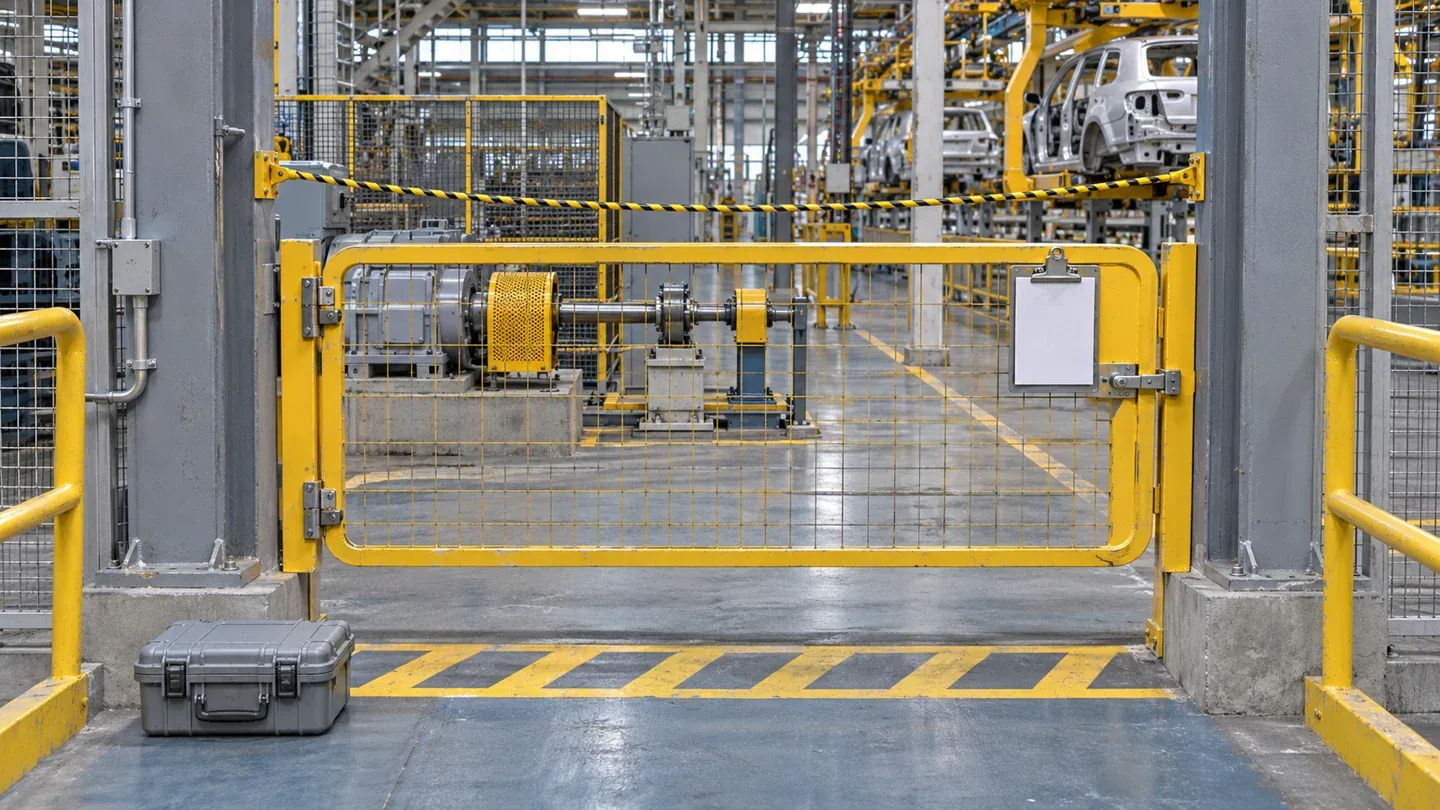
Contractors installing equipment or maintaining a line may work alongside production teams. Site managers agree when contractors can access the line and keep records of who is authorised to work there.
Trial runs on a new line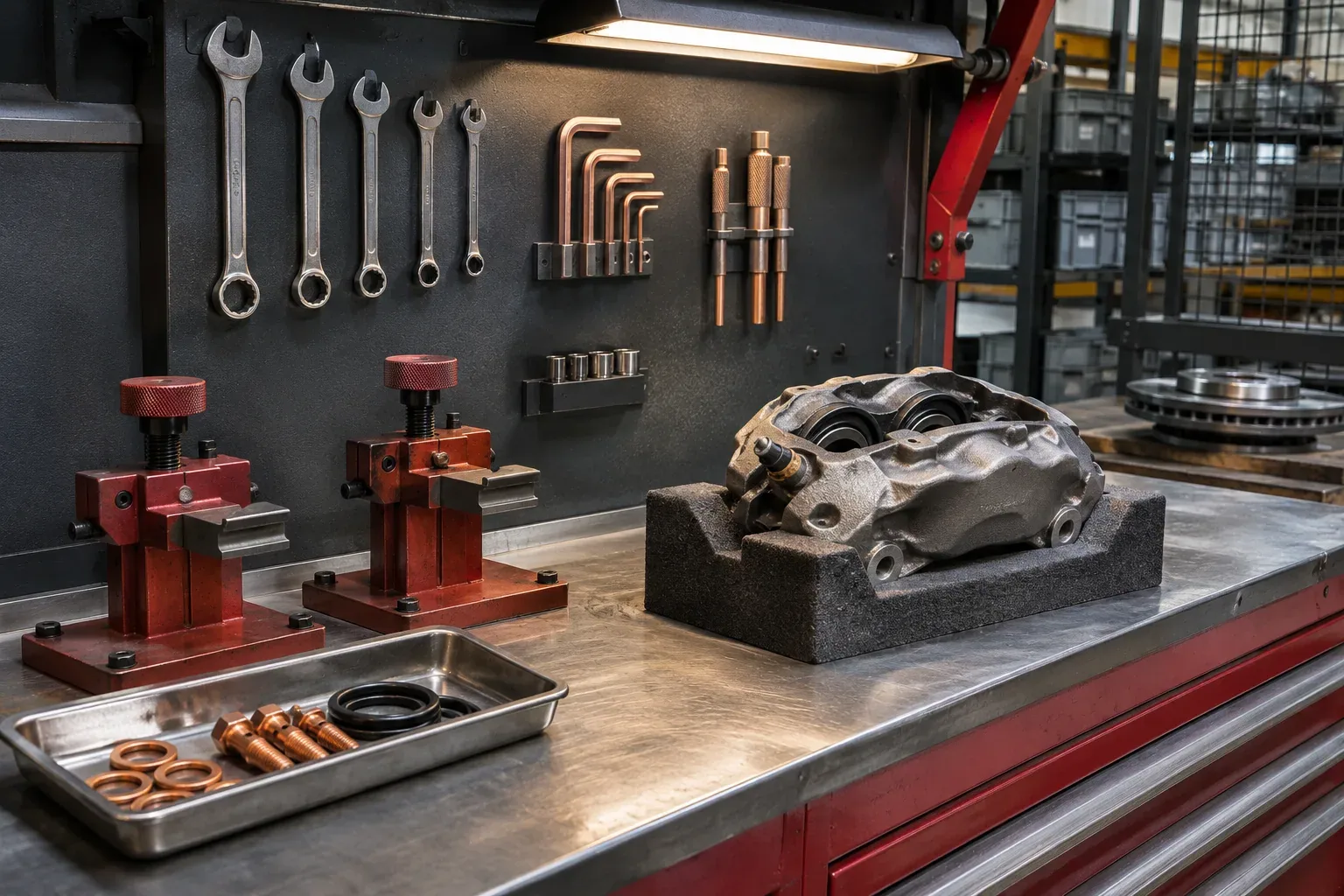
Operators often see waiting, repeated handling and rework as they move parts between stations. Lean teams observe those steps and test changes to the layout or sequence of work.
Production capacityIndia Market Entry, market research, factory visits and local partner search.
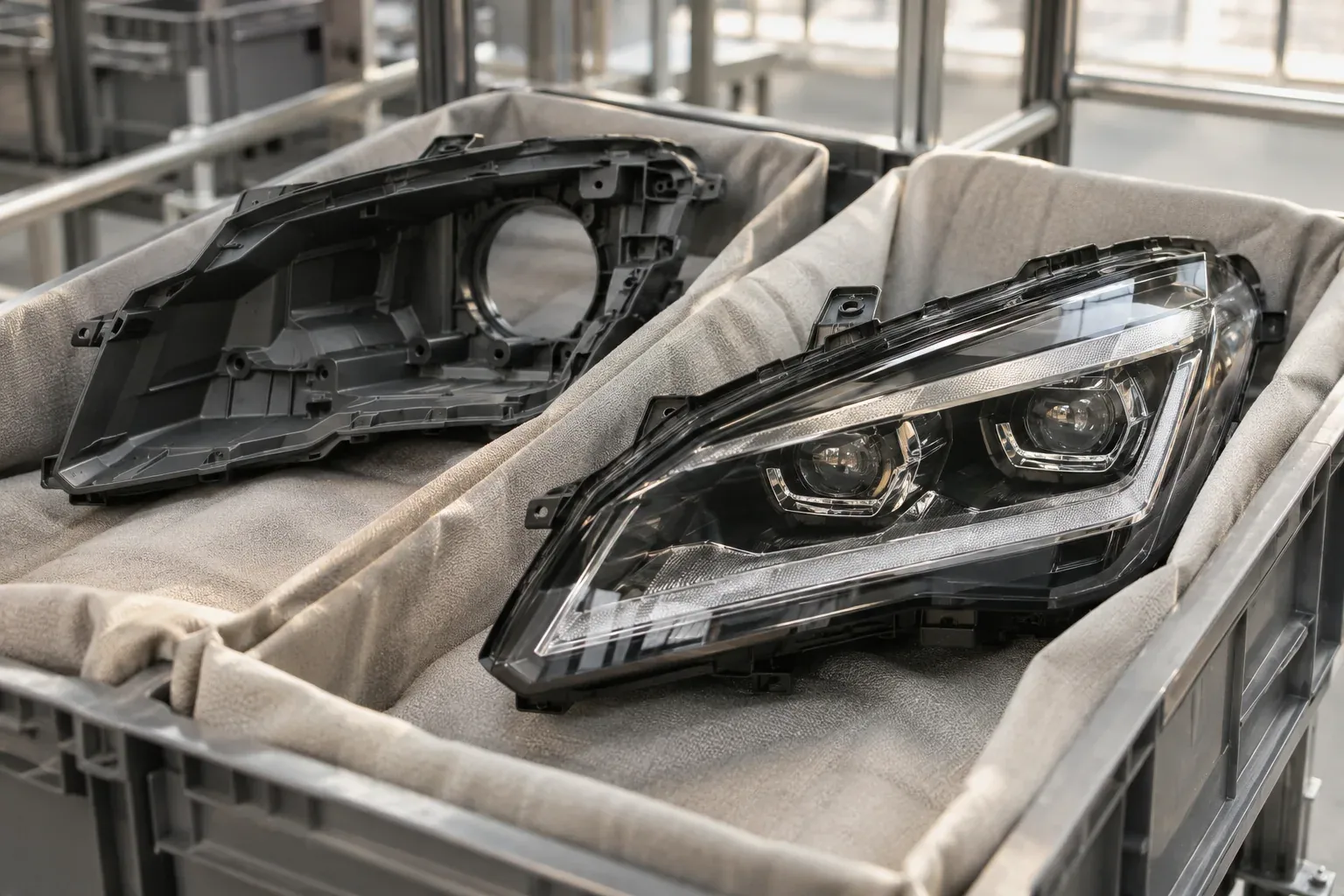
Component localisation, tooling RFQs and supplier development.
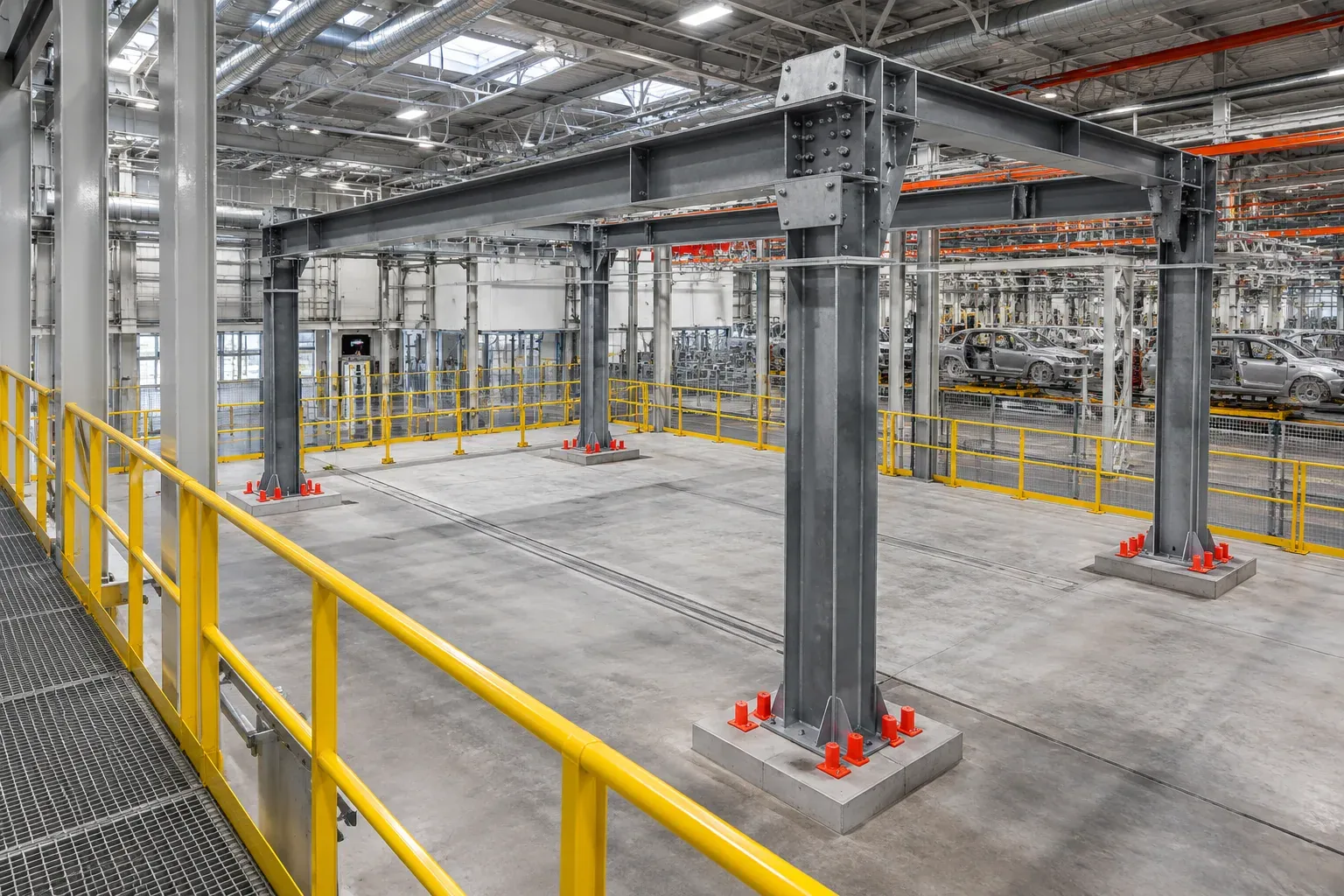
Plant layouts, equipment procurement, installation and commissioning.
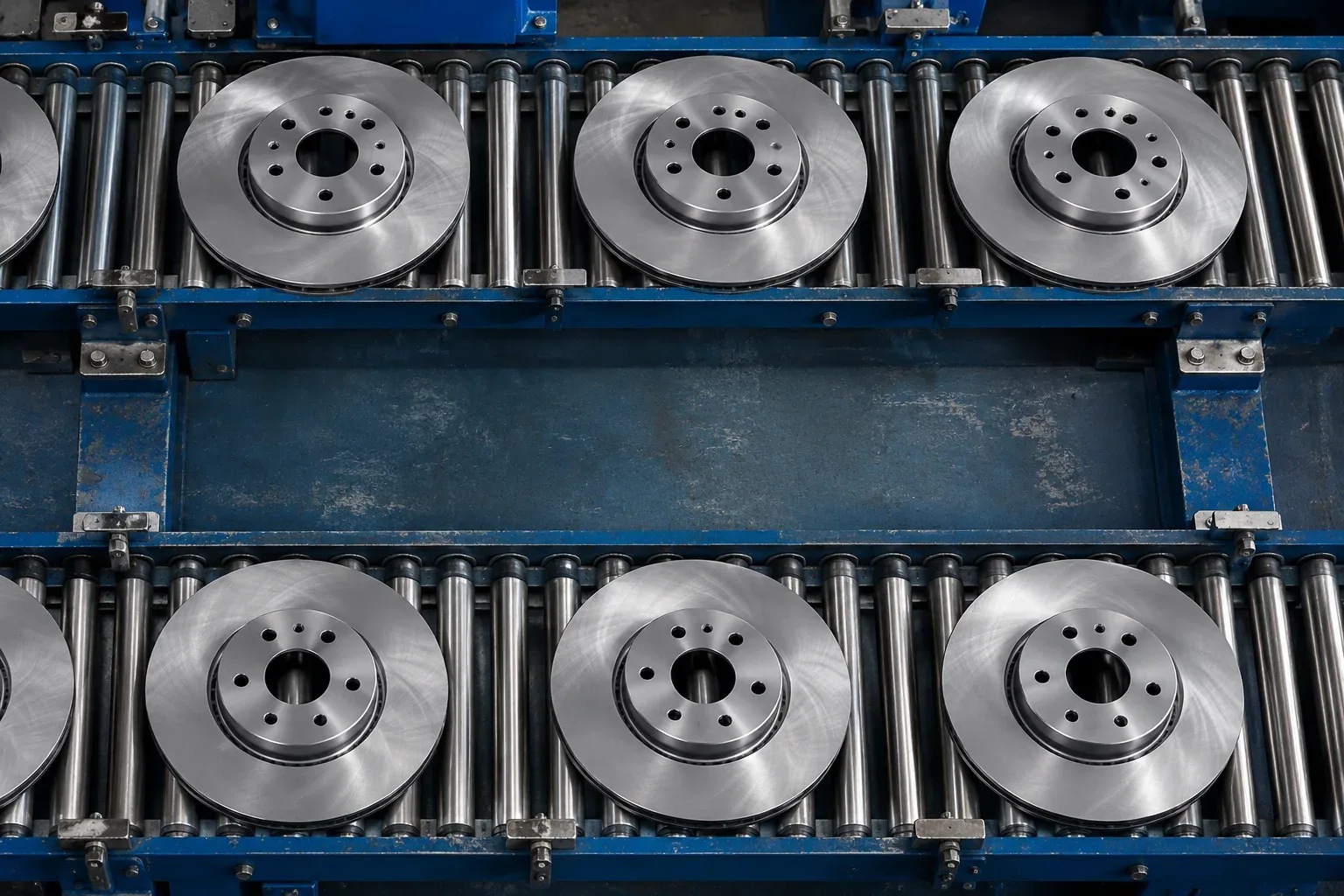
Line capacity, production trials and inventory planning.
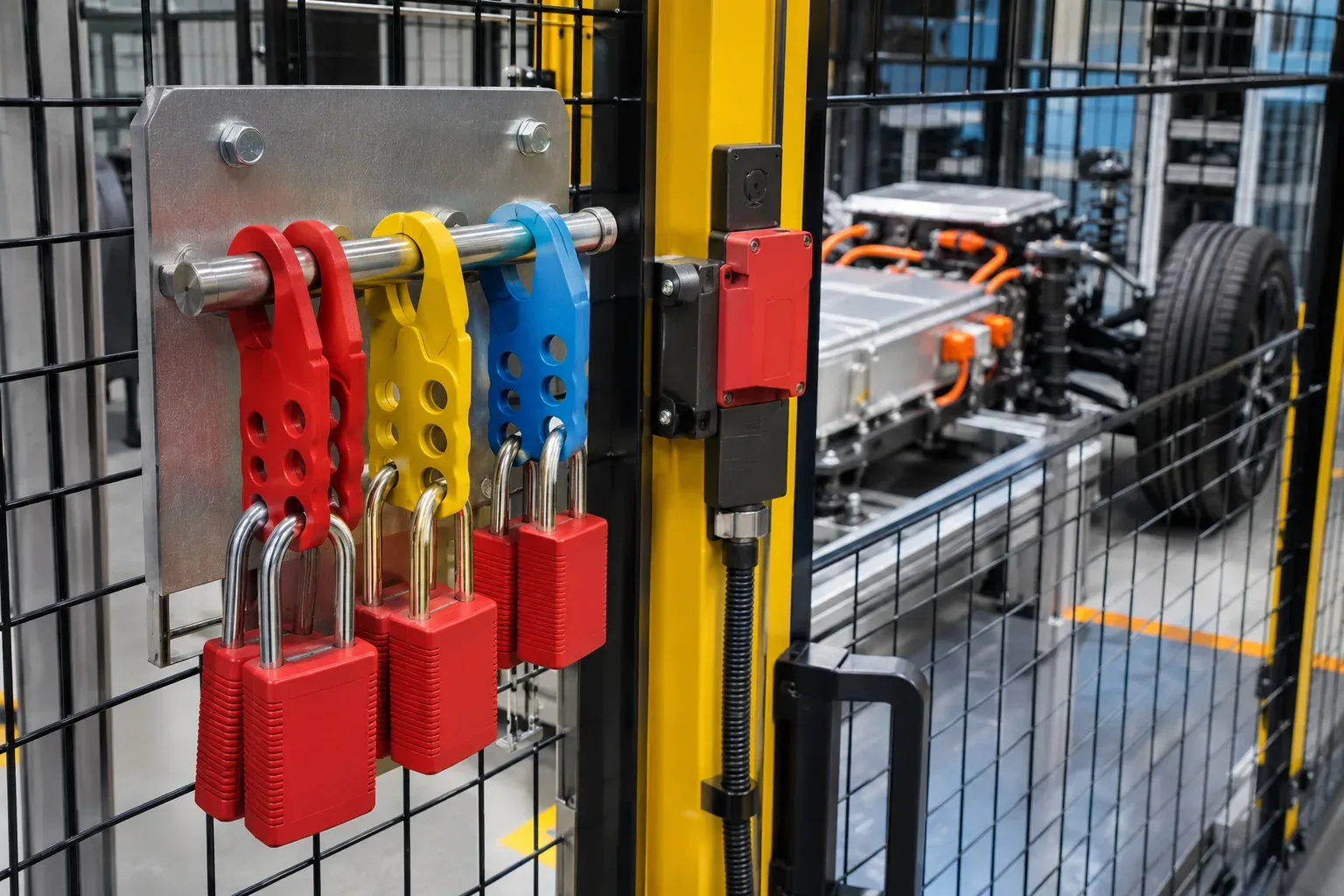
Factory compliance, contractor audits and operating controls.

Automotive and industrial experience across SPPARC’s people and network in Our clientele.
Contact SPPARC