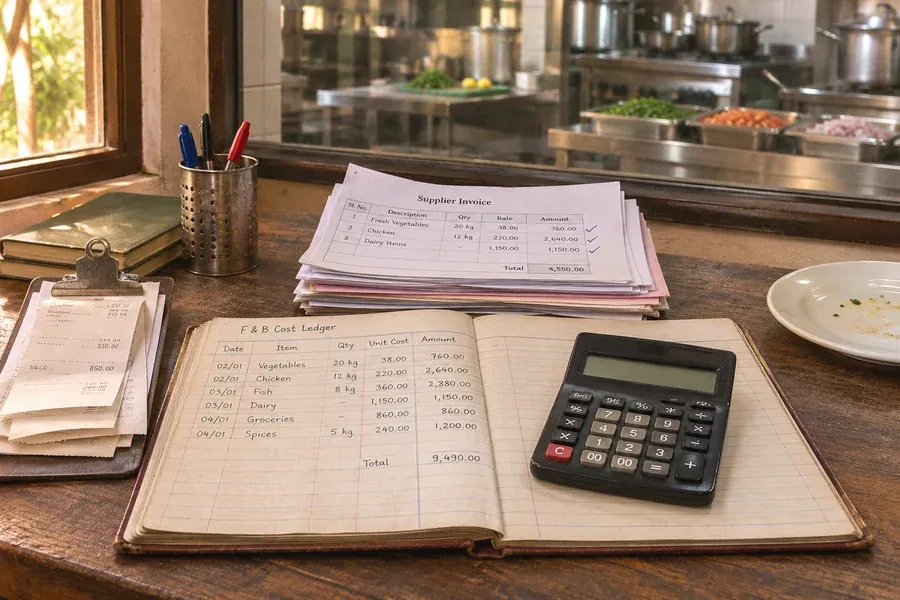
Hotels, restaurants and contract caterers. Room nights, dining and events each use space, food and labour differently. Ownership and contract terms determine who earns the revenue and who carries the costs.
Who owns, operates and earns
Owner-operated hotels. The owner runs the property, receives the proceeds from rooms, dining and events, and pays the hotel’s operating costs.
Managed and franchised hotels. A management company runs the property for a fee. It may also earn a performance fee. Under a franchise, the owner or its operator runs the hotel and pays for use of the brand and its reservation system.
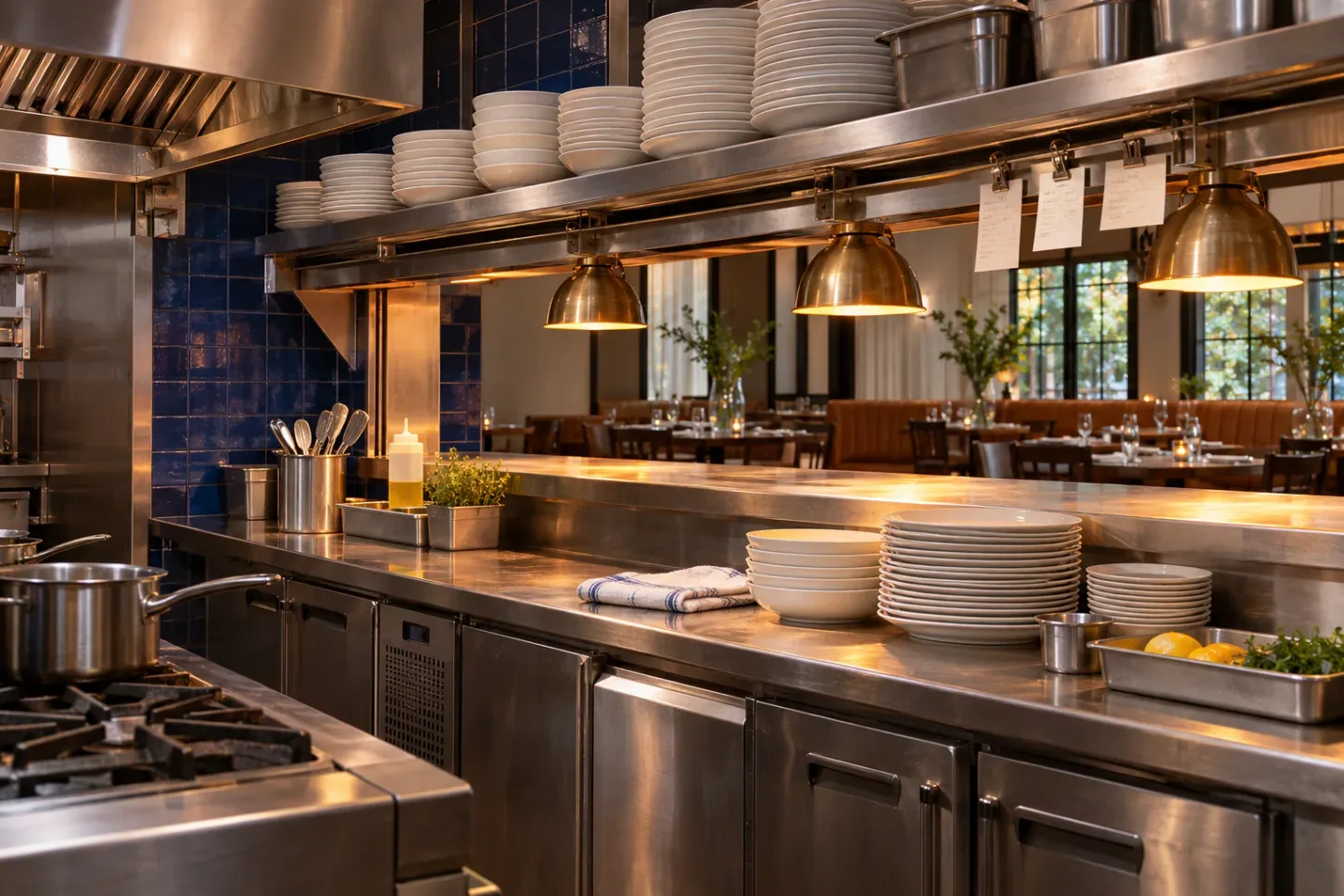
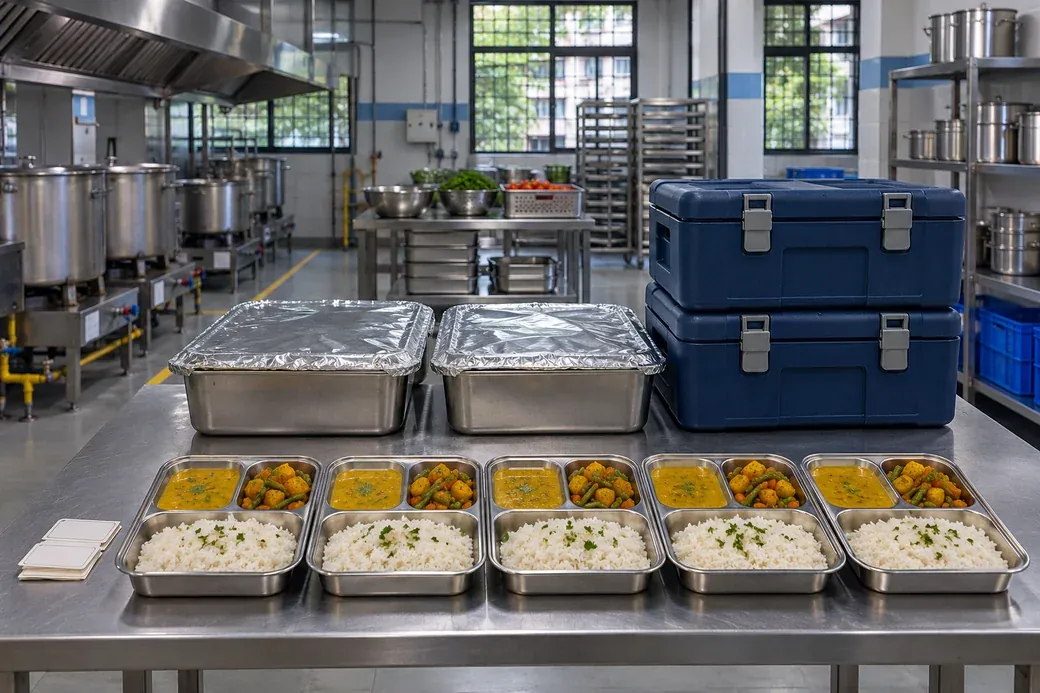
Restaurants and contract caterers. Restaurants earn from meals they sell. A caterer running a workplace canteen or another client venue may be paid per meal or reimbursed for agreed costs plus a fee.
Events, buying and room sales
Event packages set a price for space and service. Group buying shapes the cost of supplies. Room sales through different channels can leave the property with different revenue at the same rate.
Banquet revenue and cost
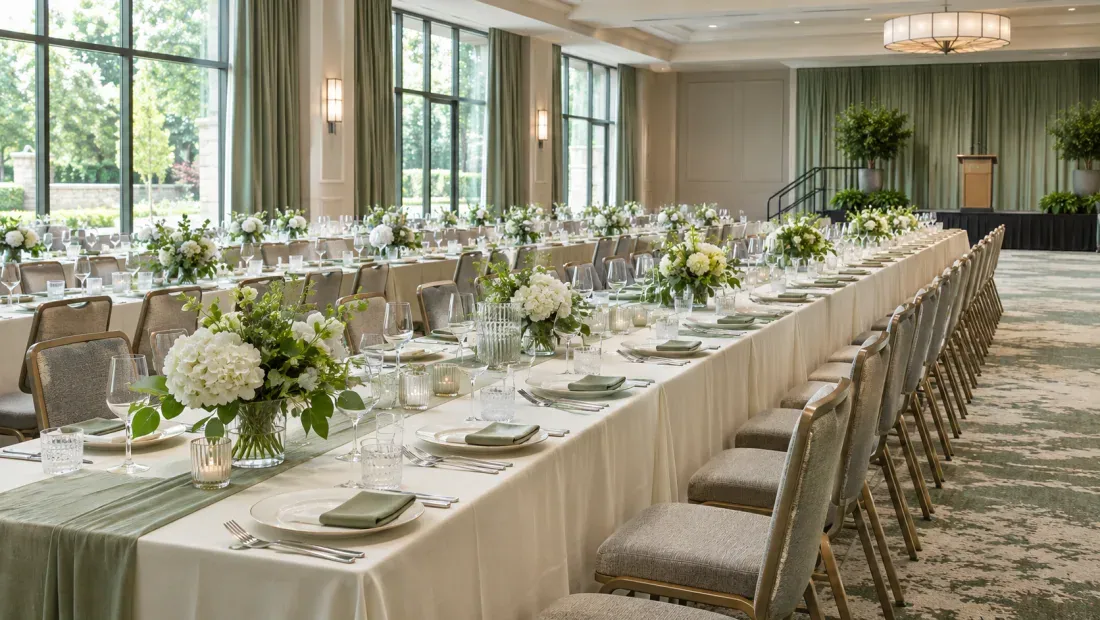
A venue may charge for the room, price a package per guest or combine the two. The guaranteed headcount and menu set how much food to prepare. Setup, service and clear-down determine labour hours.
Contribution per eventThe venue deducts food, event labour and other direct costs from the booking revenue. An extra kitchen shift or more agency staff can absorb the proceeds from a larger headcount.
Group terms and site orders
A group can negotiate shared prices and specifications for linen, dry goods and other items used across venues. Each kitchen orders fresh stock against local bookings, delivery frequency and storage space.
Minimum ordersA lower group price can cost the site more if the minimum order leaves ingredients unused.
Booking channels and room rates
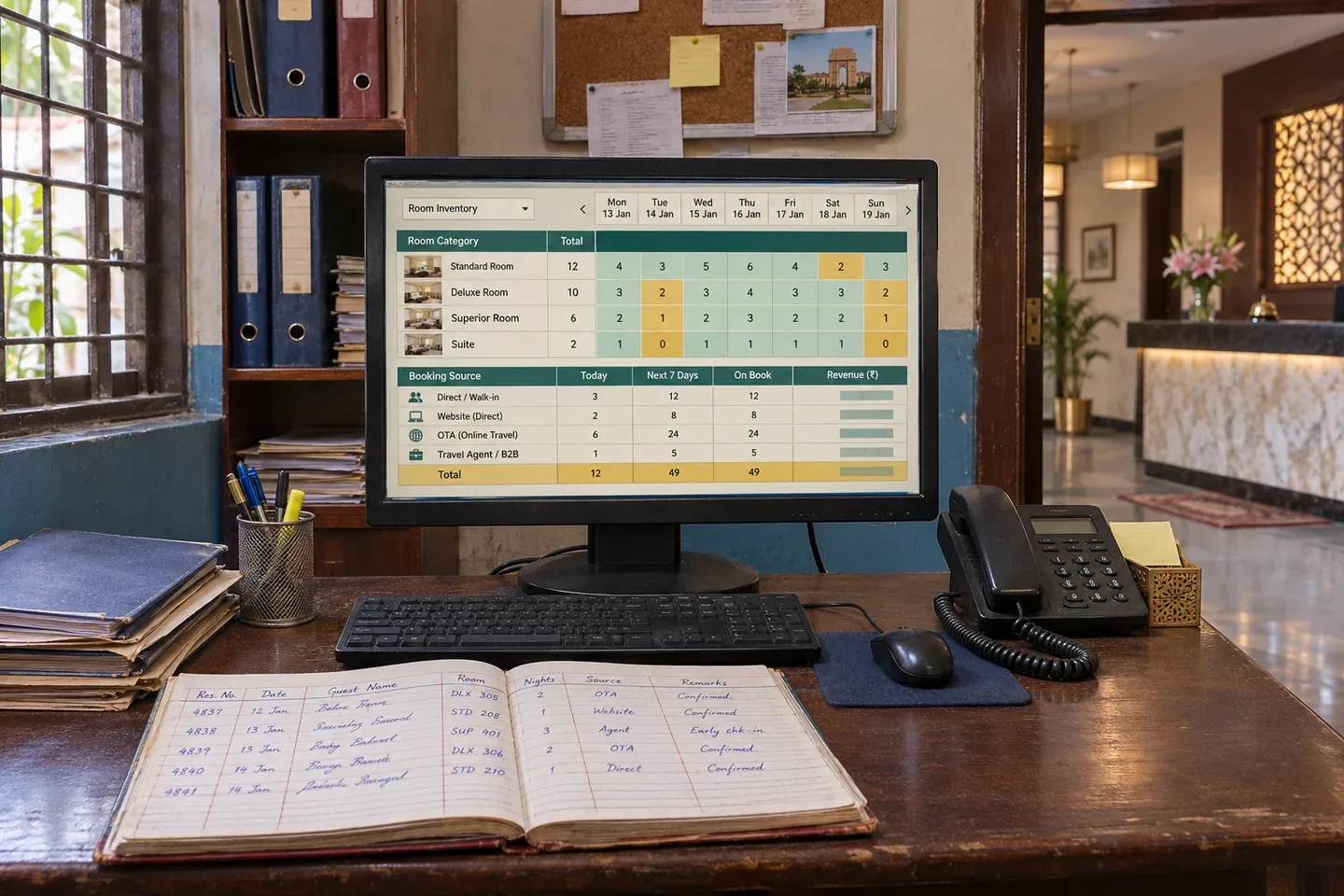
Hotels sell through their own reservation channels, travel platforms and negotiated corporate or group rates. The headline room rate can be the same even when booking fees differ.
Net room revenueCommissions and package inclusions affect how much the property keeps from a room sale.
Banquets and events · 1 of 3
What limits service capacity
Available rooms, usable ingredients and staffed stations determine how much a venue can serve on a given day.
Rooms available to sell
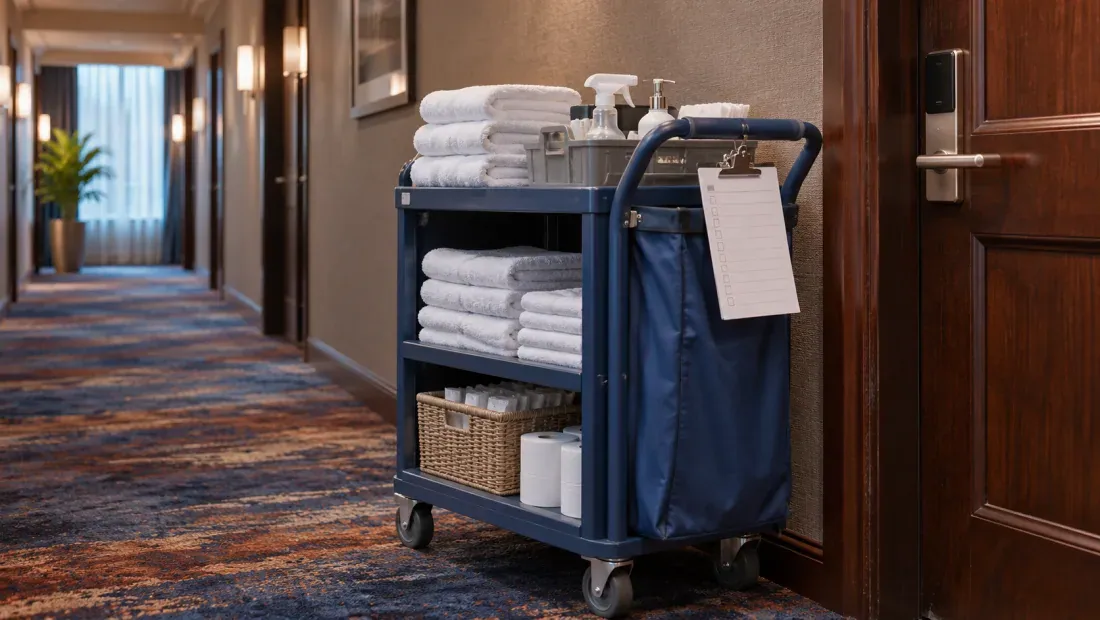
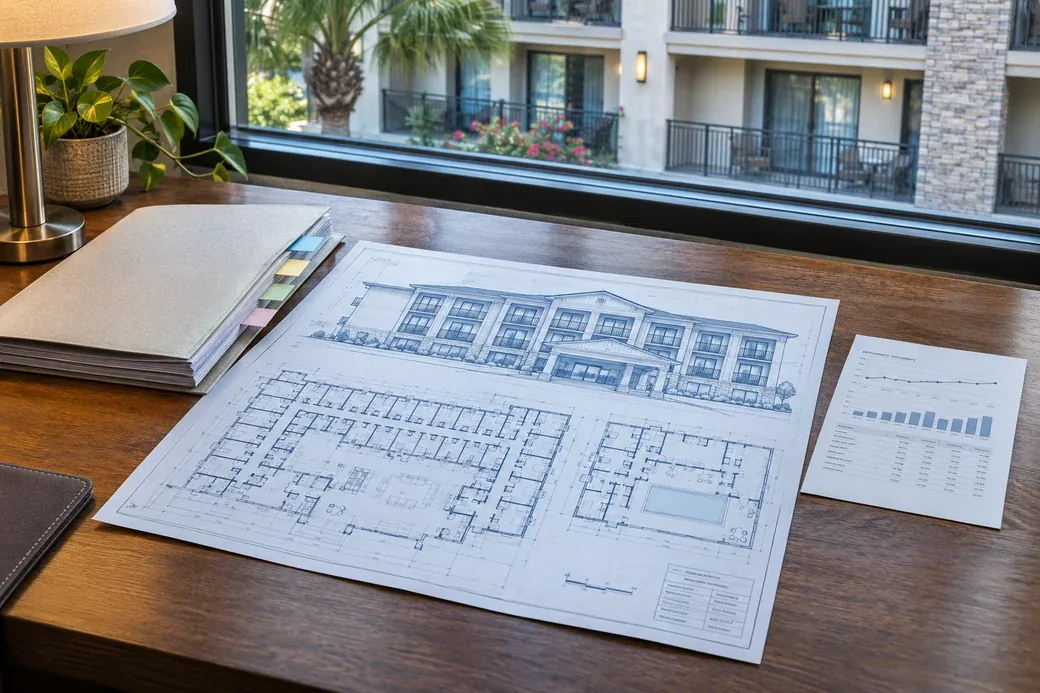
A hotel may take rooms out of inventory for refurbishment or repairs. That reduces the number of room nights available to sell, even when demand is strong.
Group bookingsSetting aside a block of rooms commits part of that inventory before every room in the block has an individual reservation.
Deliveries and usable stock
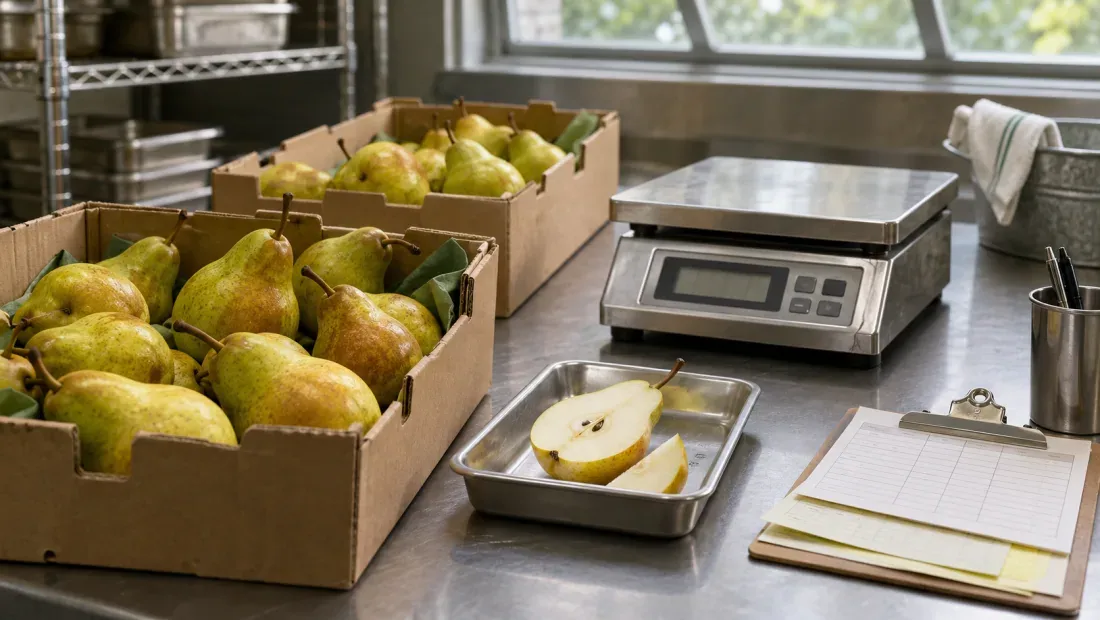
A receiving team checks quantities and condition before fresh food enters stock. If part of an order is rejected, the kitchen has less to work with than the order shows.
Replacement supplyWhen a replacement will arrive after prep starts, the kitchen may have to substitute an ingredient or take a dish off the menu.
Staffing across quiet and busy shifts
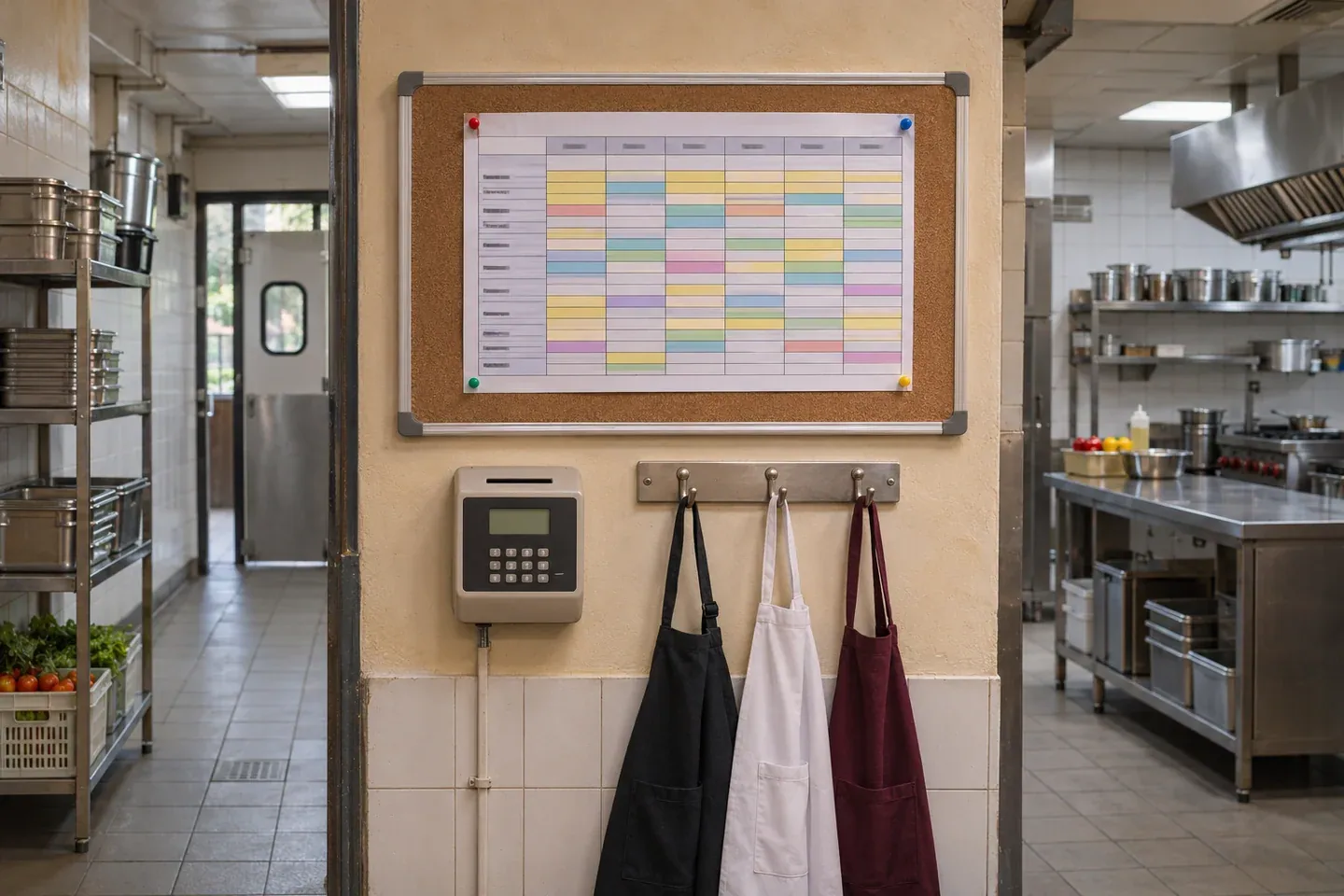
Venues need enough permanent staff for their regular service. They may use overtime or agency staff for an event or a seasonal peak.
Skills on shiftA full roster can still leave a gap if it lacks the skills to run a kitchen station, supervise service or handle an event.
Margins, leases and catering contracts
A restaurant’s menu, a hotel’s lease and a caterer’s pricing terms affect earnings in different ways.
Sales
The dishes and drinks guests order affect sales per guest and the ingredients a venue uses.
Ingredient costs
Price changes, portion sizes and unused ingredients affect the cost of serving the same menu.
Food and beverage margins
Menu sales and the cost of serving them.
Trading history
A buyer can compare forecasts with past room bookings, meal sales and event revenue.
Property commitments
Rent, the remaining lease term and transfer conditions can affect the value of the business.
Hospitality transactions
Trading records and property commitments.
Fixed price per meal
When the meal price is fixed, higher ingredient or labour costs can reduce the caterer’s margin.
Costs plus a fee
The client pays the agreed fee and reimburses costs covered by the contract. The terms determine who pays for any extra staff or ingredients.
Catering contract costs
How the caterer and client share operating costs.
SPPARC services for hospitality
Food service experience across SPPARC’s people and network in Our clientele.