Freight networks and depots
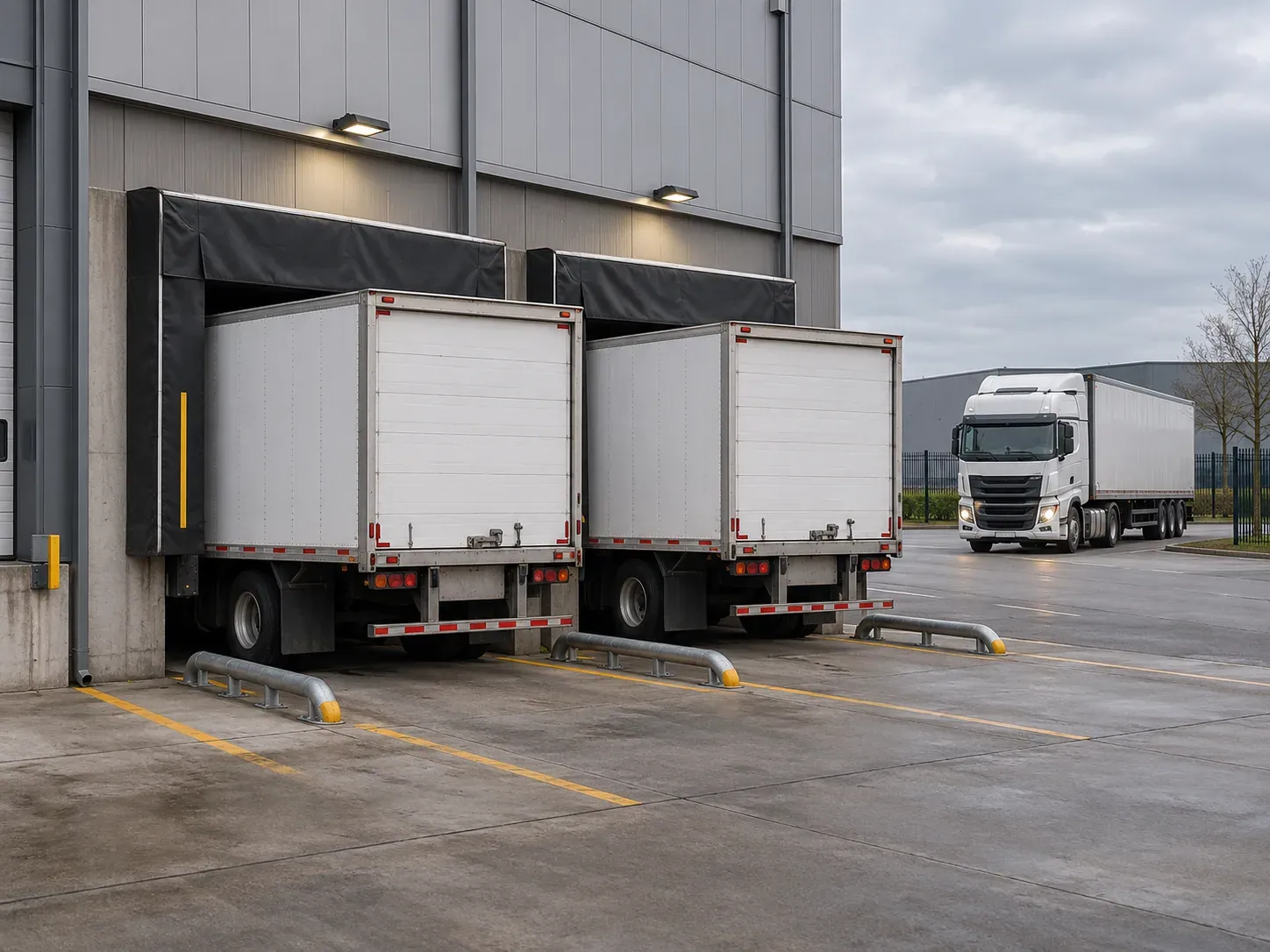
When several vehicles arrive together, the depot needs free bays, crews to unload them and space to stage the goods. A full staging area can keep vehicles waiting even when a bay is free.
 SPPARC

Carriers collect and deliver freight. Depots group loads for scheduled departures, and warehouses hold stock for customer orders. Each transfer affects when goods arrive and what the delivery costs.
Combining several collections into one outbound load spreads the cost of the trip across more shipments. The origin depot needs time to unload, sort and reload those goods before the vehicle leaves.
At the destination depot, crews split the load by local delivery route. The time allowed for that second transfer depends on the delivery windows customers have agreed.
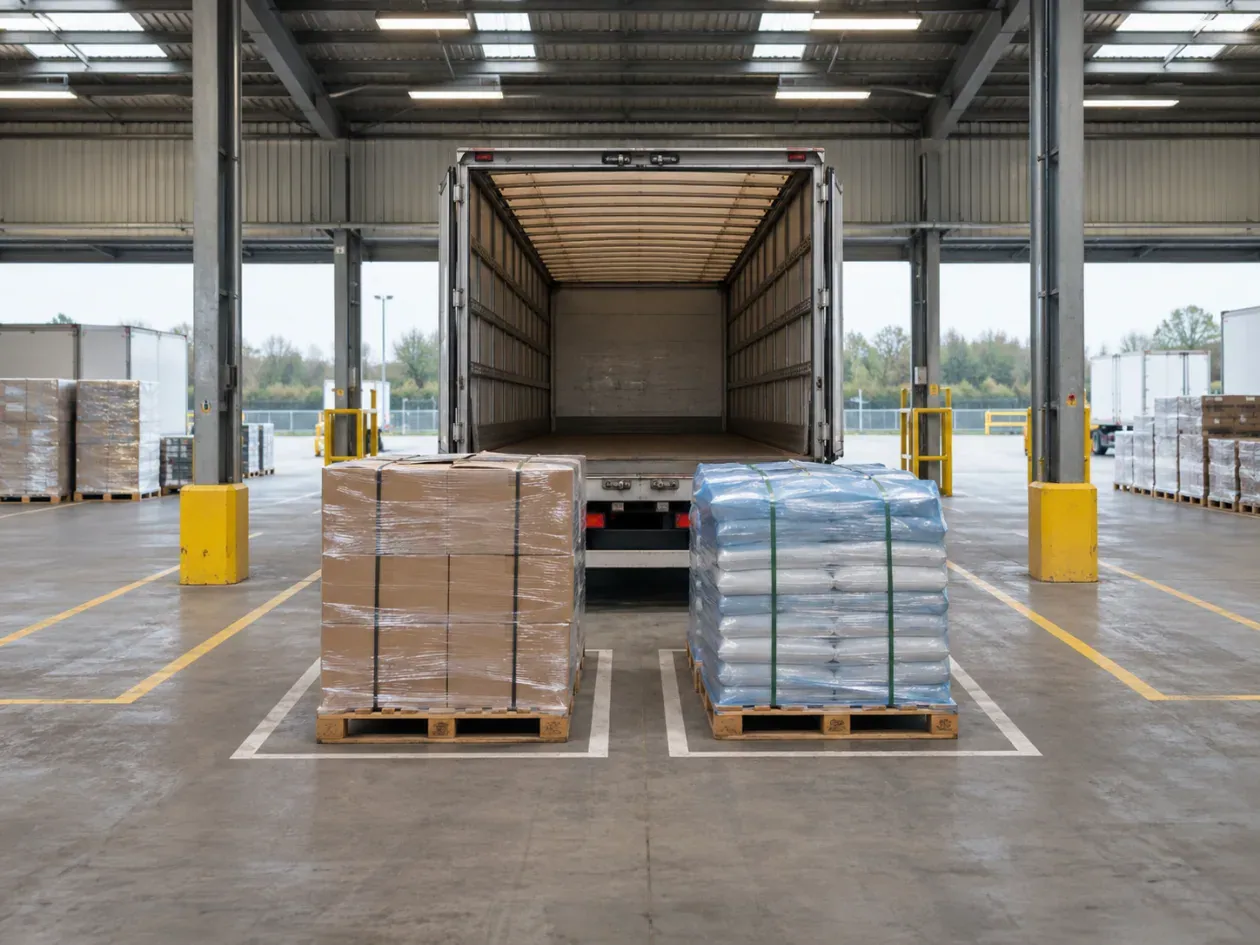
When several vehicles arrive together, the depot needs free bays, crews to unload them and space to stage the goods. A full staging area can keep vehicles waiting even when a bay is free.
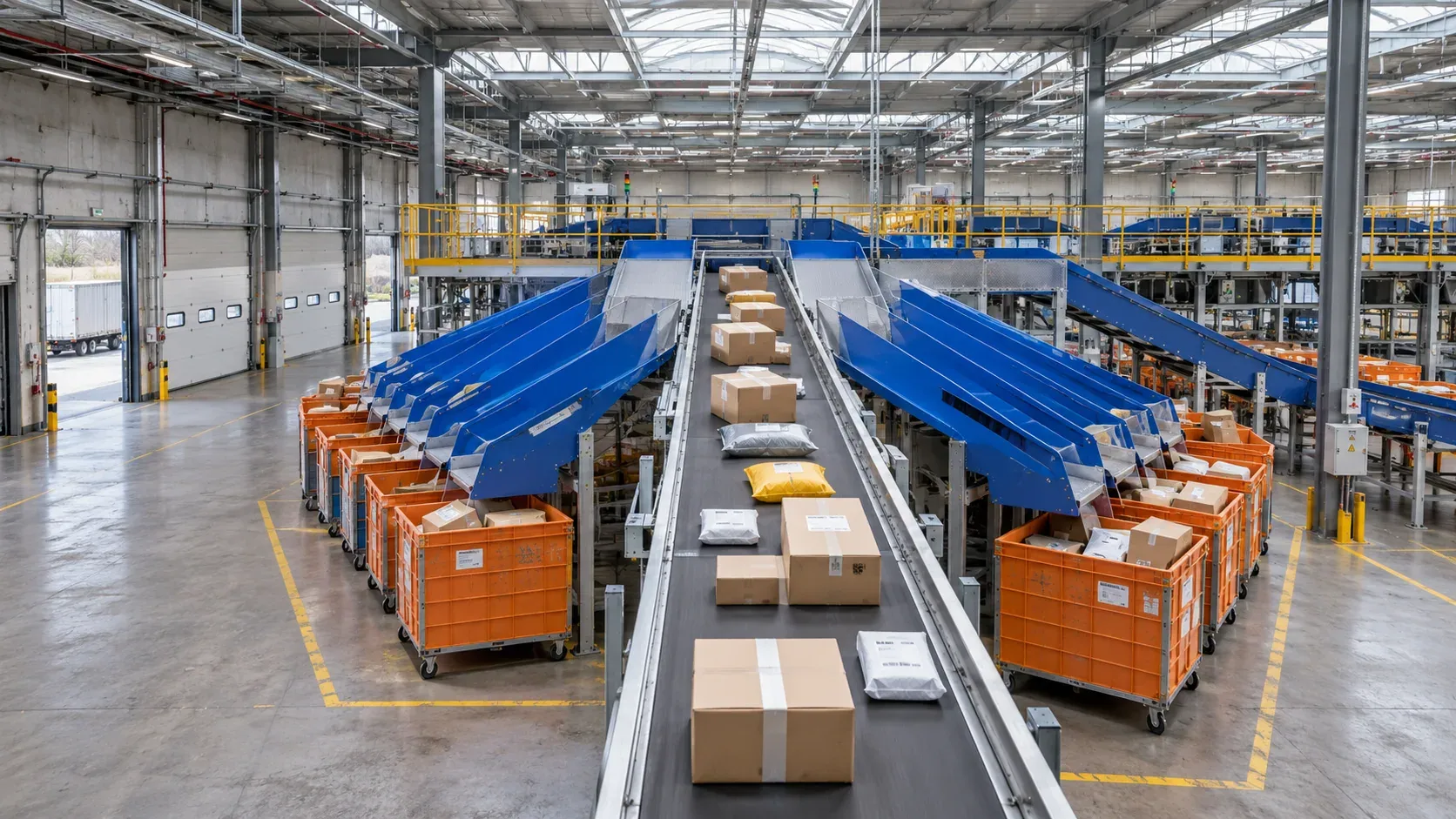
Goods with an onward booking can go straight to dispatch. Stock held for future orders takes up storage space and needs a recorded location. When an order comes in, the warehouse picks and packs it for collection.
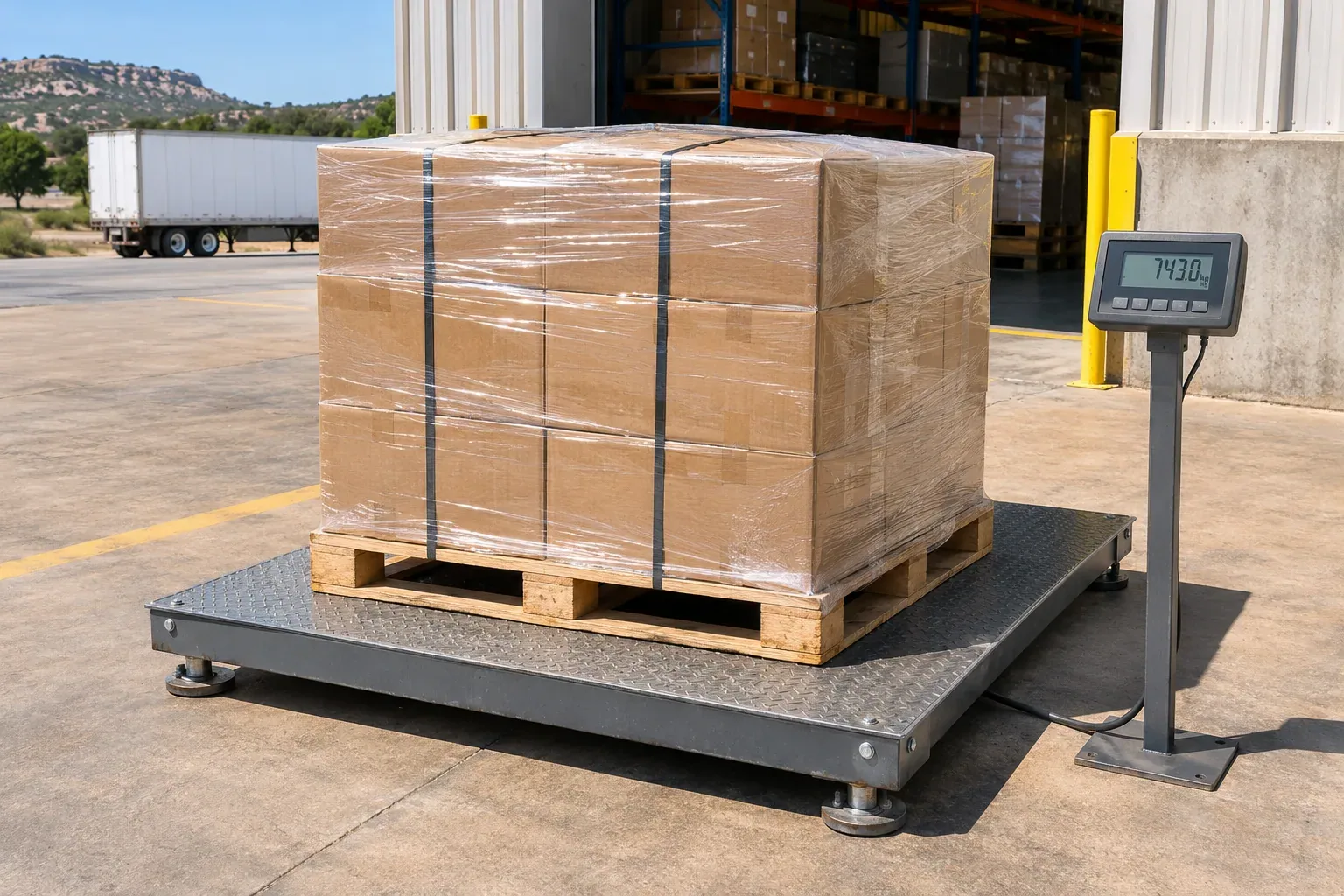
Freight revenue comes from the agreed rate, which might be per pallet, by weight or for the whole vehicle. Fuel, driver time and depot handling all affect the margin. The contract decides whether the carrier can bill for waiting or for a second delivery attempt.
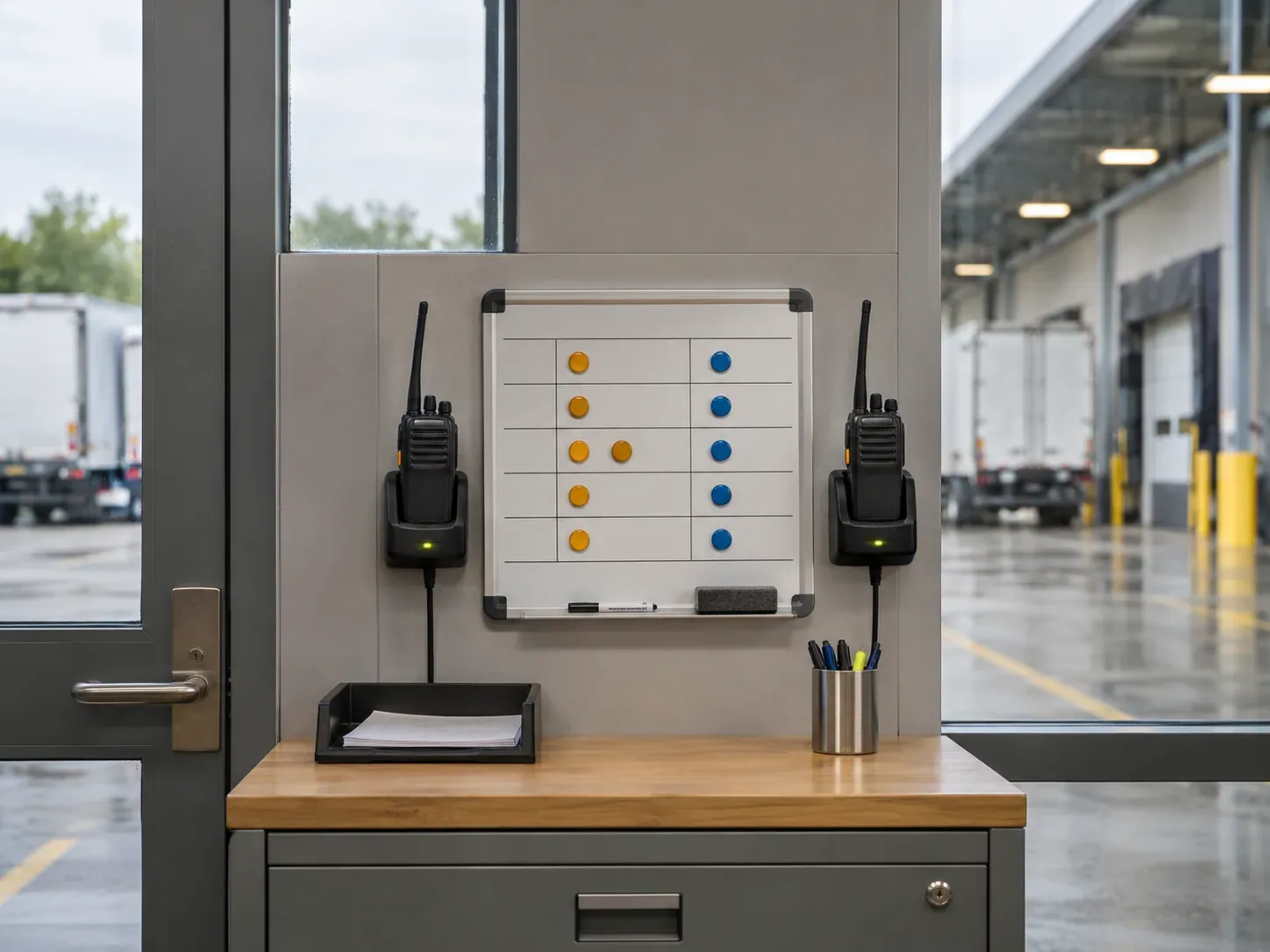
Drivers and depot crews hand loads from one team to the next. At a shift change, the incoming crew needs to know which goods still await loading and who can authorise a change to the departure plan.
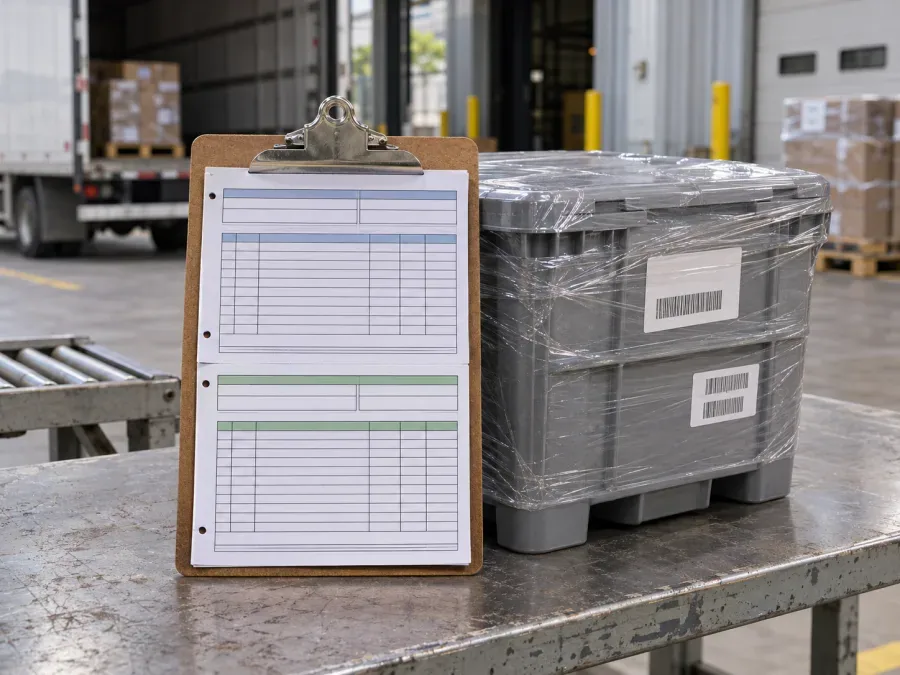
Transfer notes connect stock counts across locations.
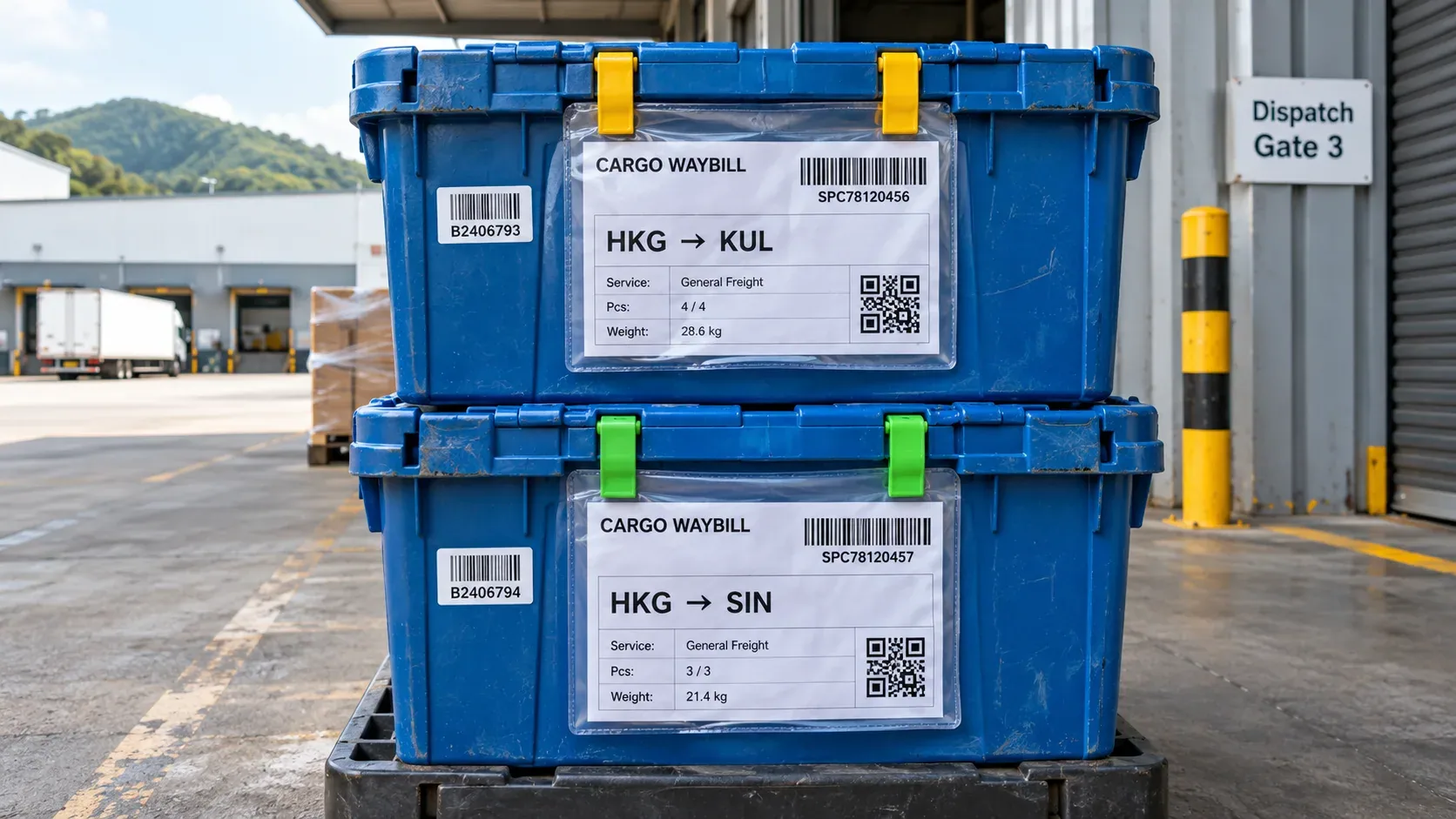
Missing proof of delivery can delay the invoice and push back payment.
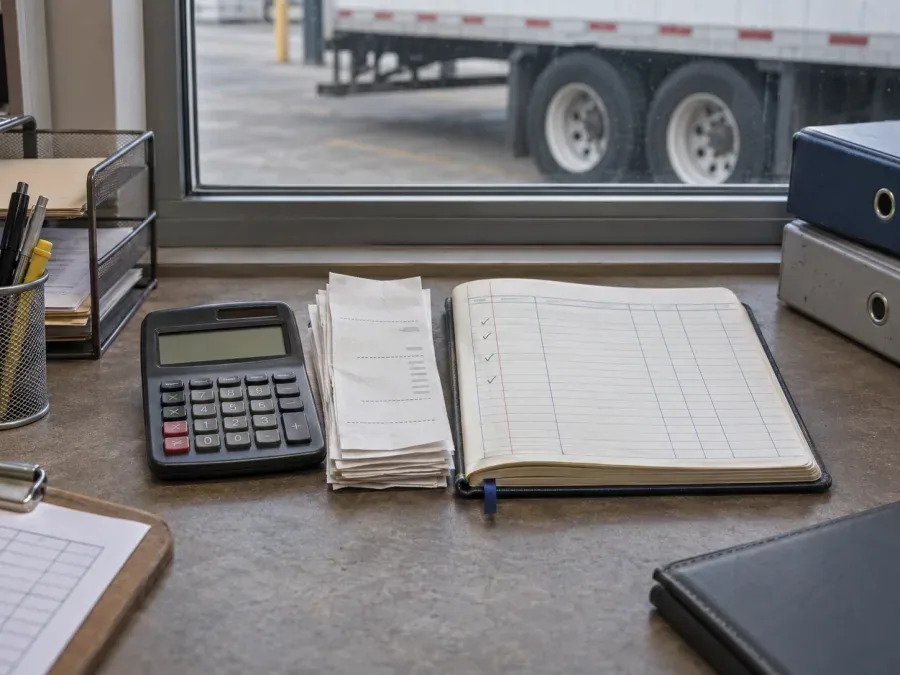
Spending records and due dates show where cash is committed.
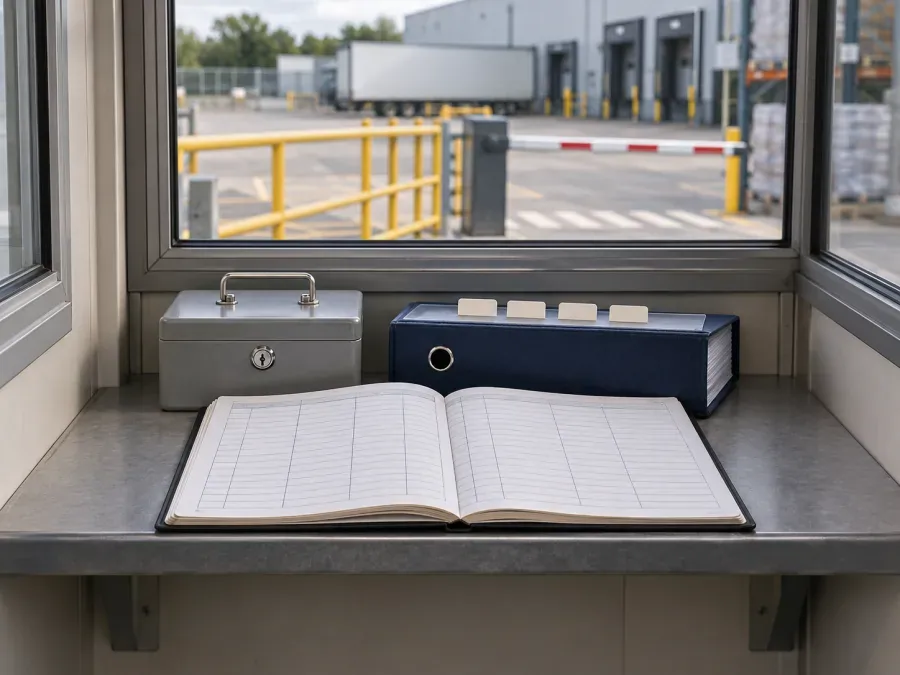
Site and workforce files connect the contractor’s staff with the work they do at the depot.
Changes at one depot can affect space on the next departure, costs and delivery times.
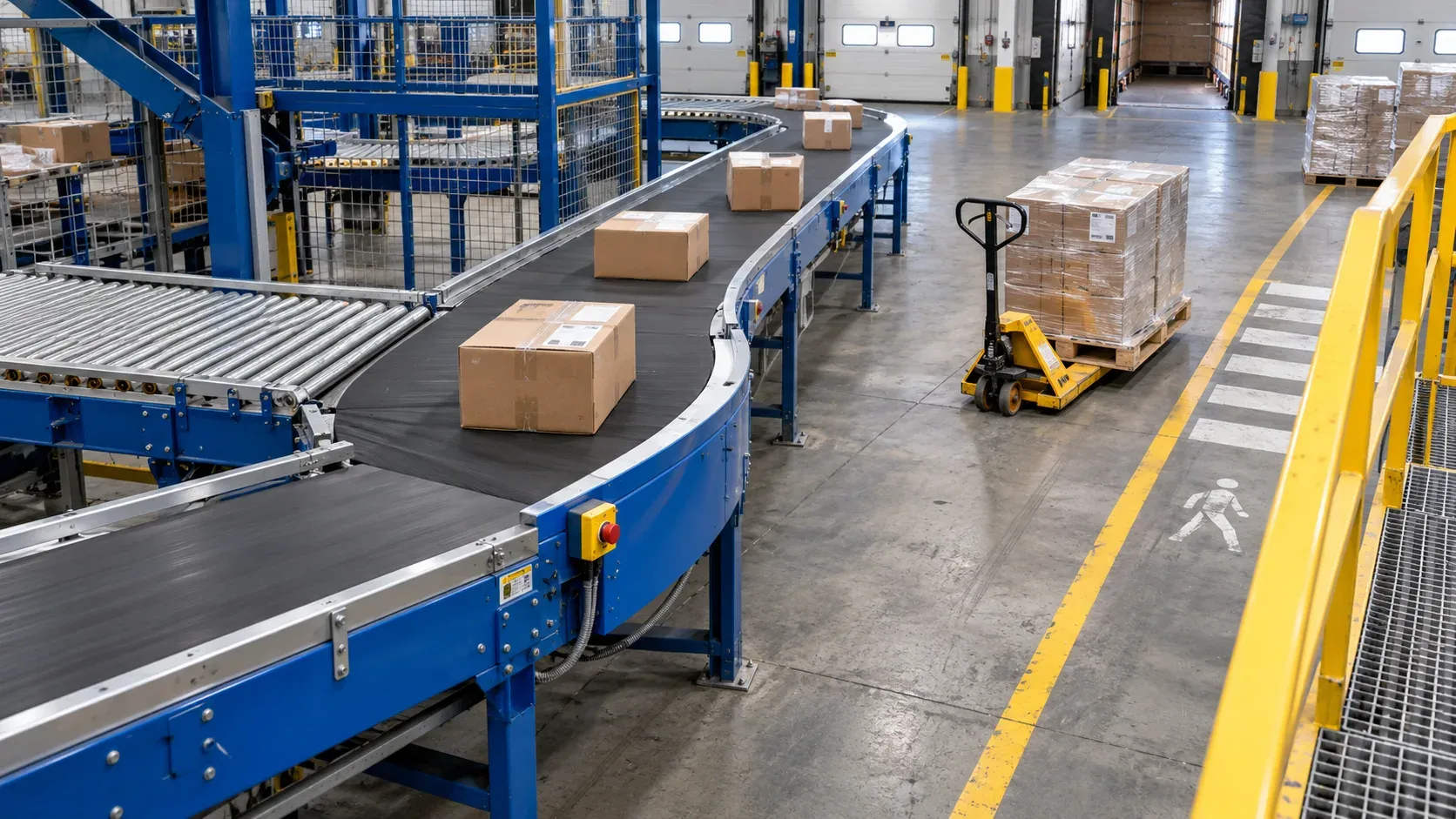
Changing a route can shift where freight is sorted and how many times a load is handled before it reaches its destination.
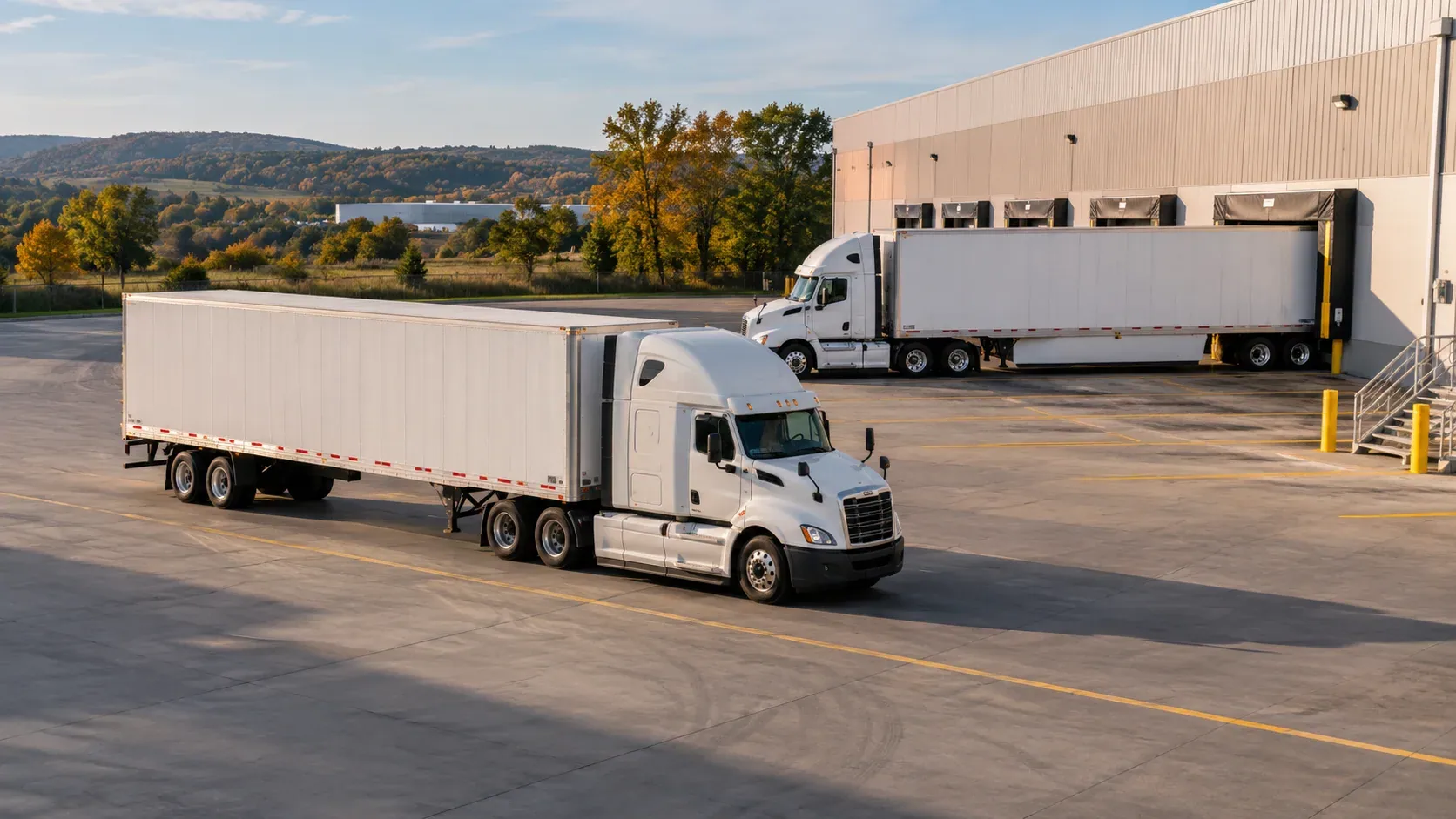
A depot may have to hold the freight and handle it again for the next vehicle. Sending it another way can preserve the delivery slot and add the cost of an extra trip.
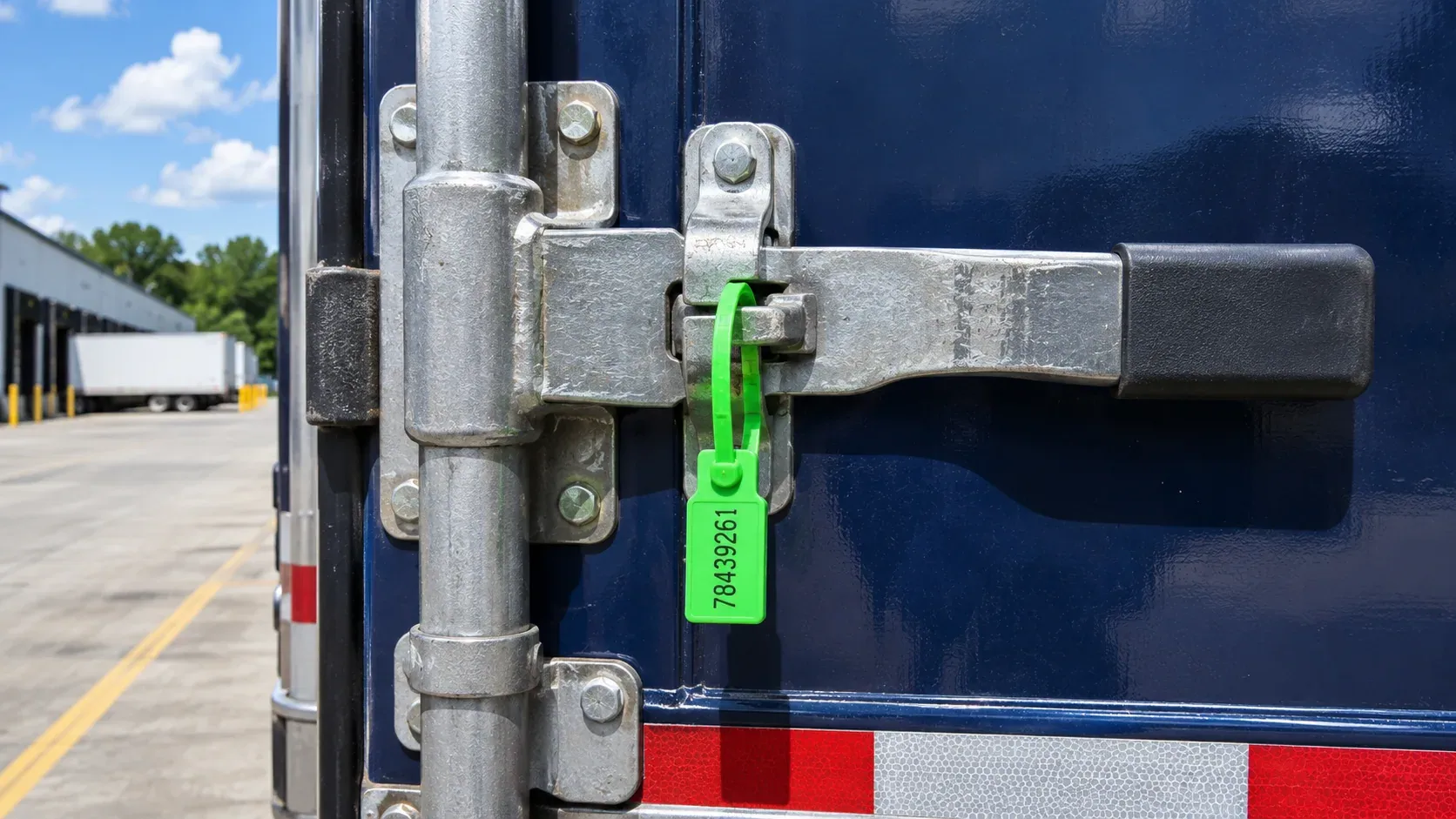
The dispatch team can record the seal number before departure. The receiving team checks the seal on arrival and records any discrepancy before unloading.
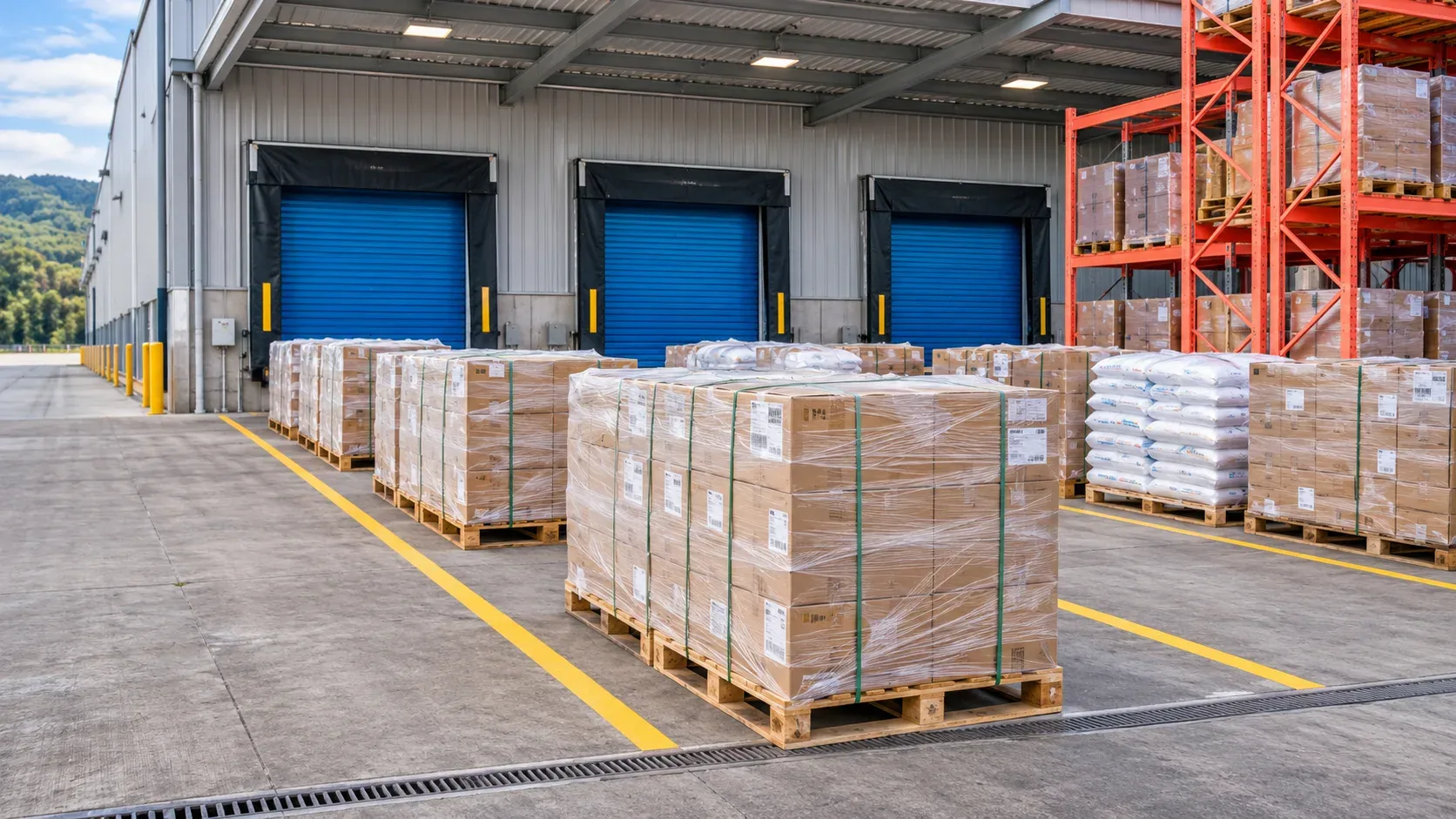
Assess depot capacity, handling flow and stock checks.
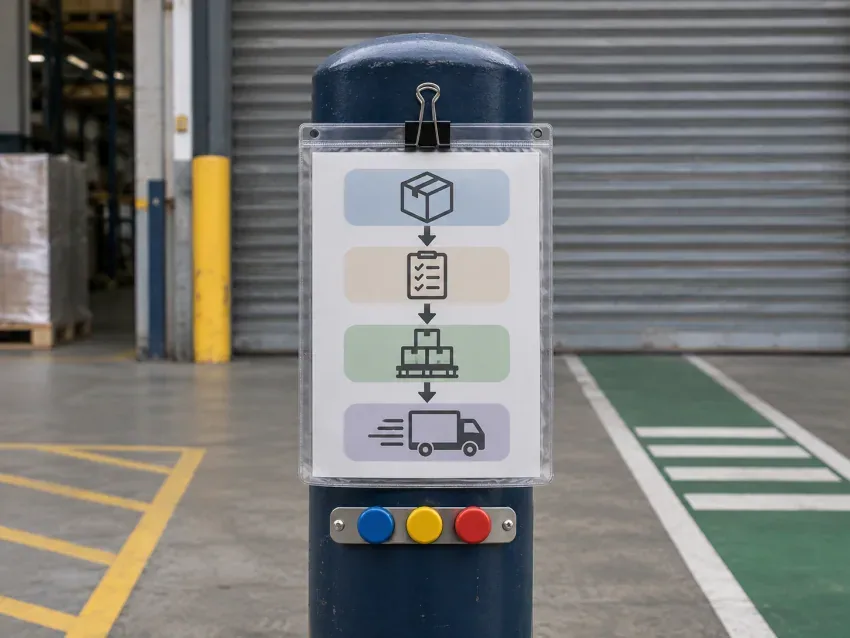
Define shift responsibilities and write dispatch procedures.
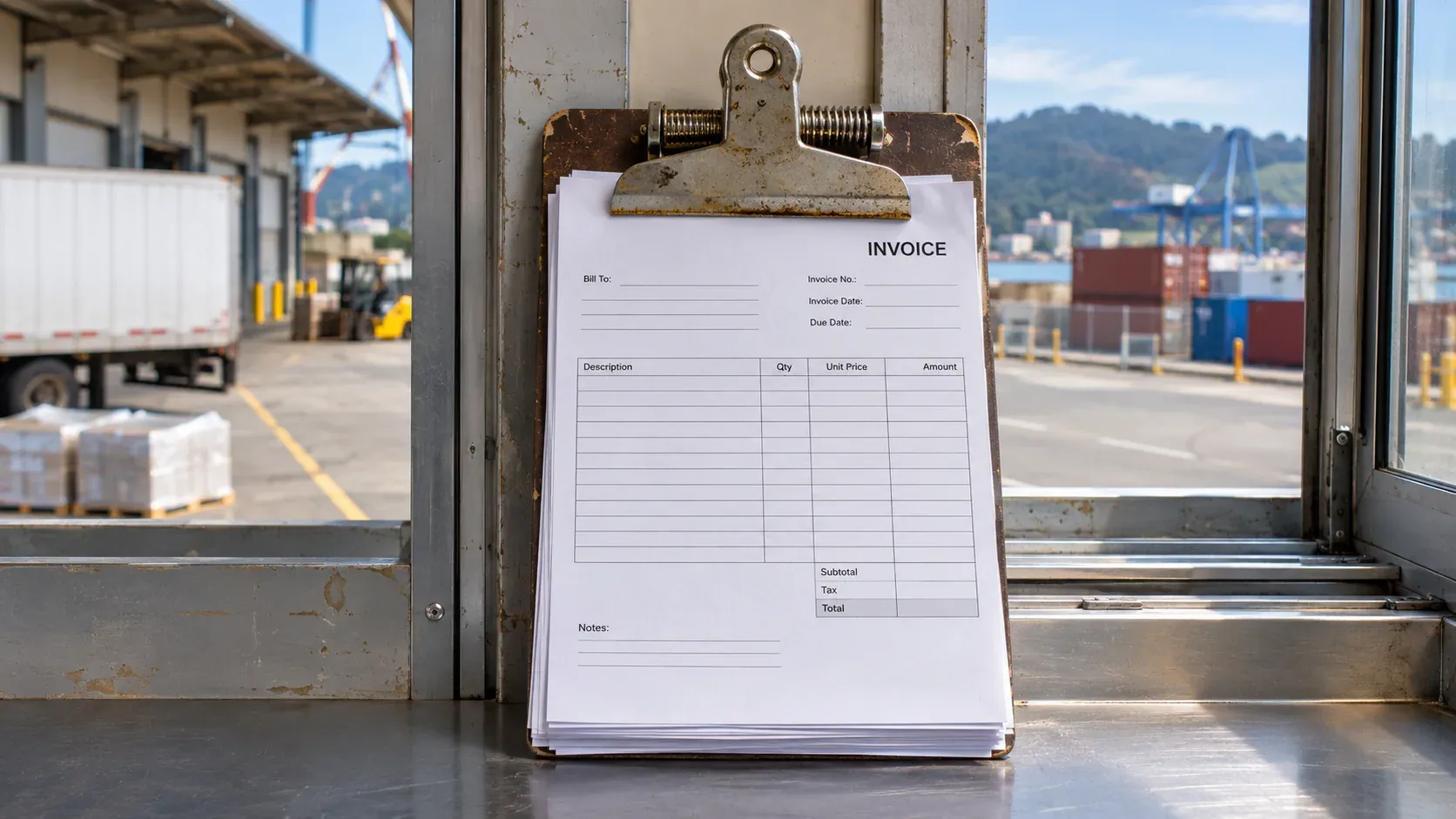
Review freight costs, depot budgets and collections.
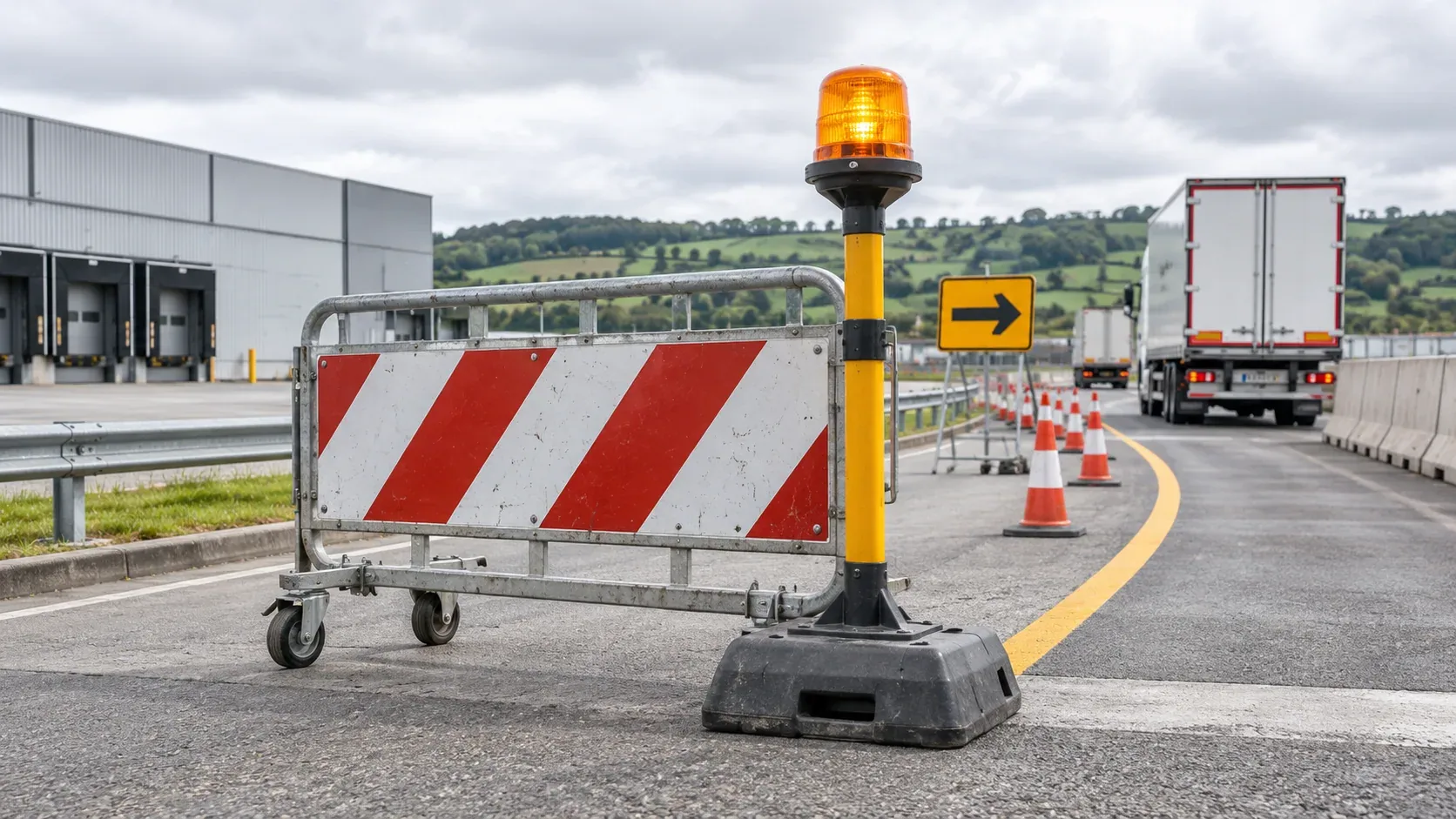
Review contractor records and plan for service disruption.
See transport experience across SPPARC’s people and network in Our clientele.
Contact SPPARC