Product availability
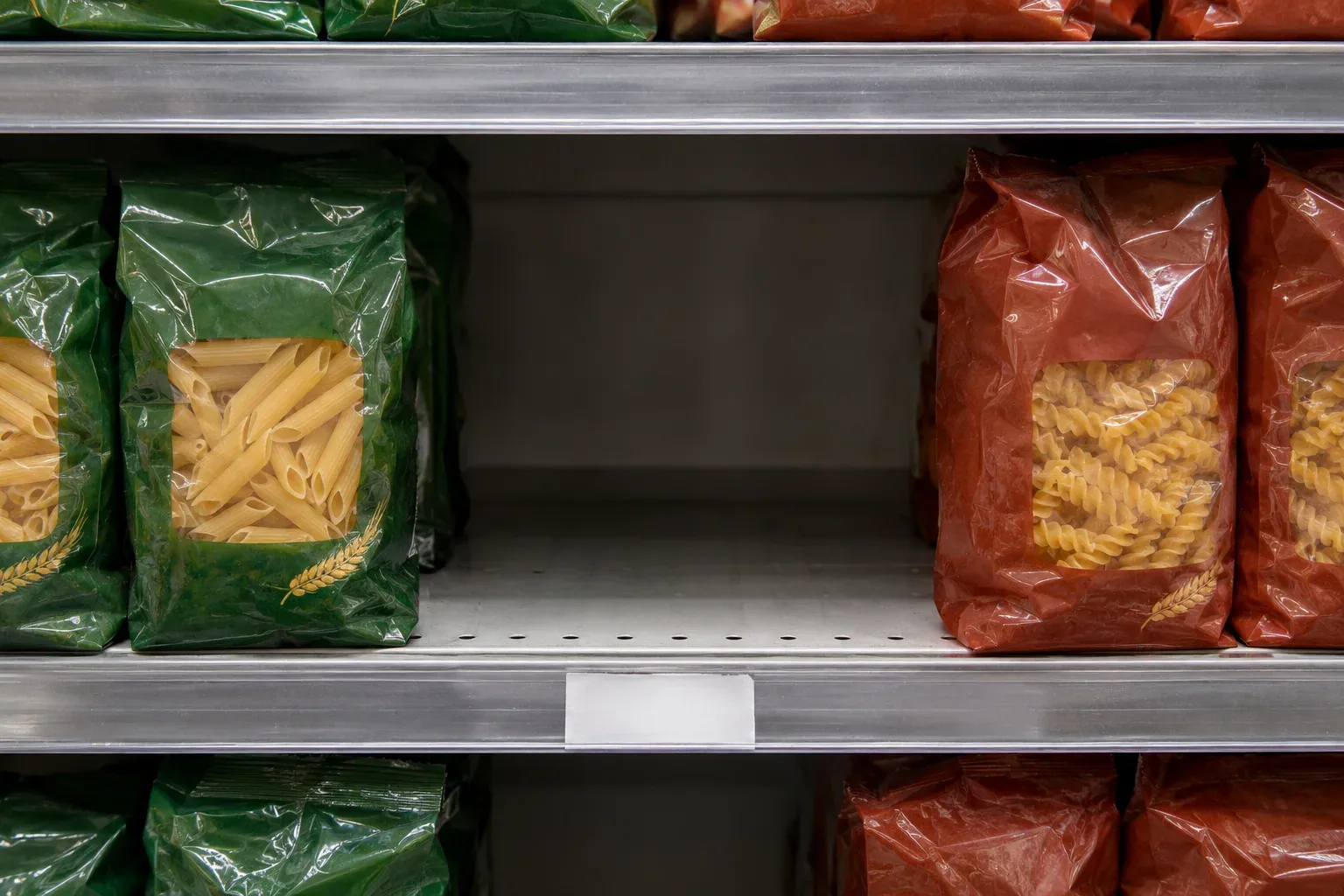
A fast-selling item can run out before its next delivery even when the rest of the range is well stocked.
Slow stockStock can sit unsold in one store while customers are still buying it at another.
 SPPARC

Consumer brands, distributors and retailers. The same product can earn different margins in store and online once discounts, returns and fulfilment costs are counted.
In distributor sales, the brand sees what the distributor orders. Retail sales data show how much of that stock shoppers have bought.
When a brand supplies a retailer directly, the retailer chooses what to stock and when to reorder. The sales terms determine who pays for the stock while it sits on the shelf.
When the brand sells directly to shoppers, it sees shopper orders and returns. It also plans stock and pays for packing and delivery.
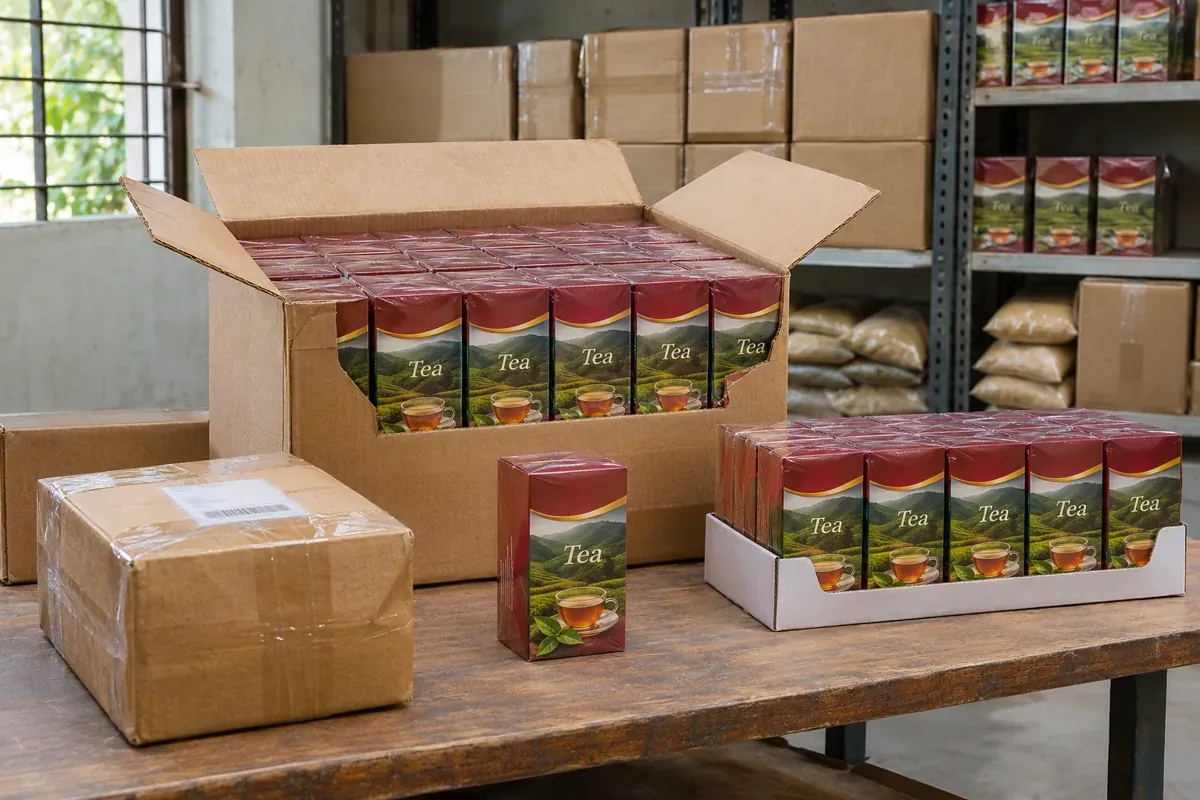
A promotion changes the price a shopper pays and the number of units a retailer needs ready to sell.
A fast-selling item can run out before its next delivery even when the rest of the range is well stocked.
Slow stockStock can sit unsold in one store while customers are still buying it at another.
In an illustrative comparison, a product listed at ₹500 in both channels contributes ₹200 in store and ₹120 online before overheads and tax. Per unit, the online sale has ₹20 more in discounts, ₹15 more set aside for returns and ₹45 more in fulfilment costs.
Promotion fundingA brand may cover part of a discount. The retailer’s share reduces what it earns on the sale.
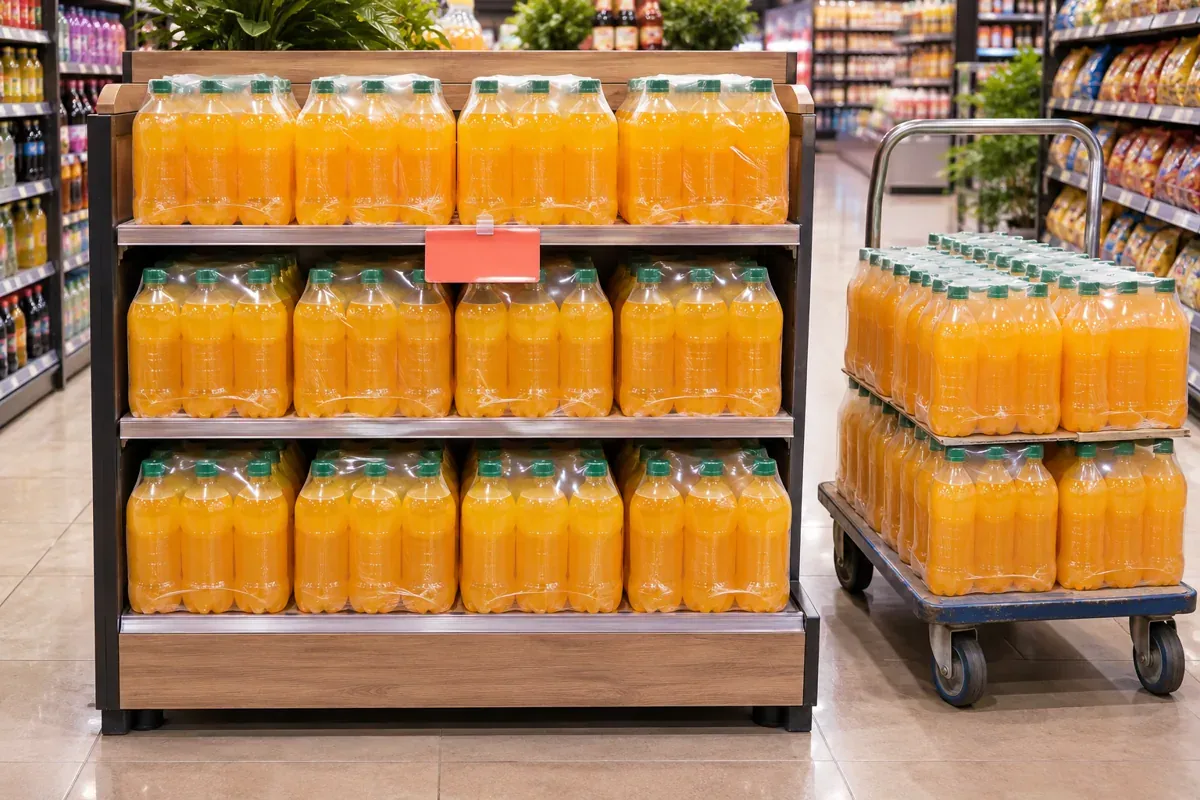
A weekend offer can increase sales at the checkout and orders for delivery from the same location.
Delivery datesExtra units need to arrive before the offer starts, especially when the next regular delivery comes after it ends.
Product availability · 1 of 3
Buying teams place orders with suppliers. Stock teams keep track of what has arrived, what is reserved and what can move between locations.
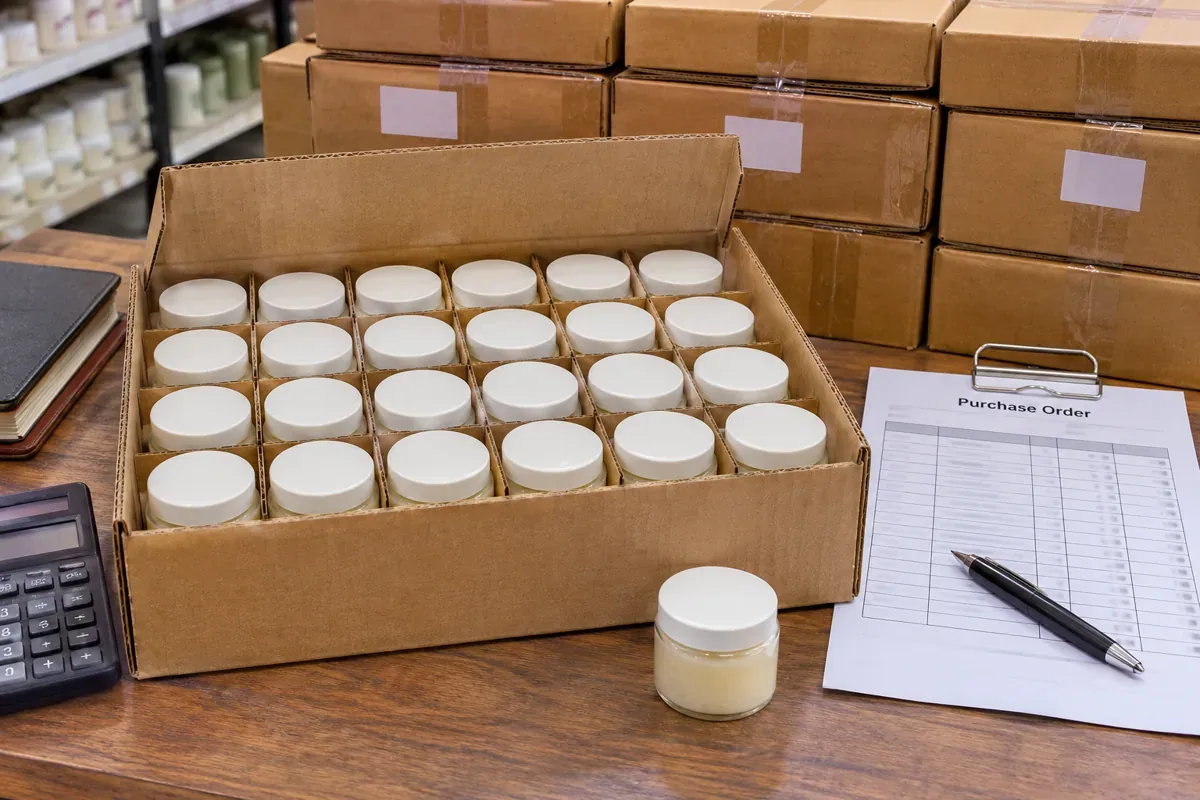
A new product’s first order commits the retailer to stock before shoppers have bought it.
Supplier termsMinimum quantities shape how much the retailer has to buy. Delivery commitments determine when it can put that stock on sale.
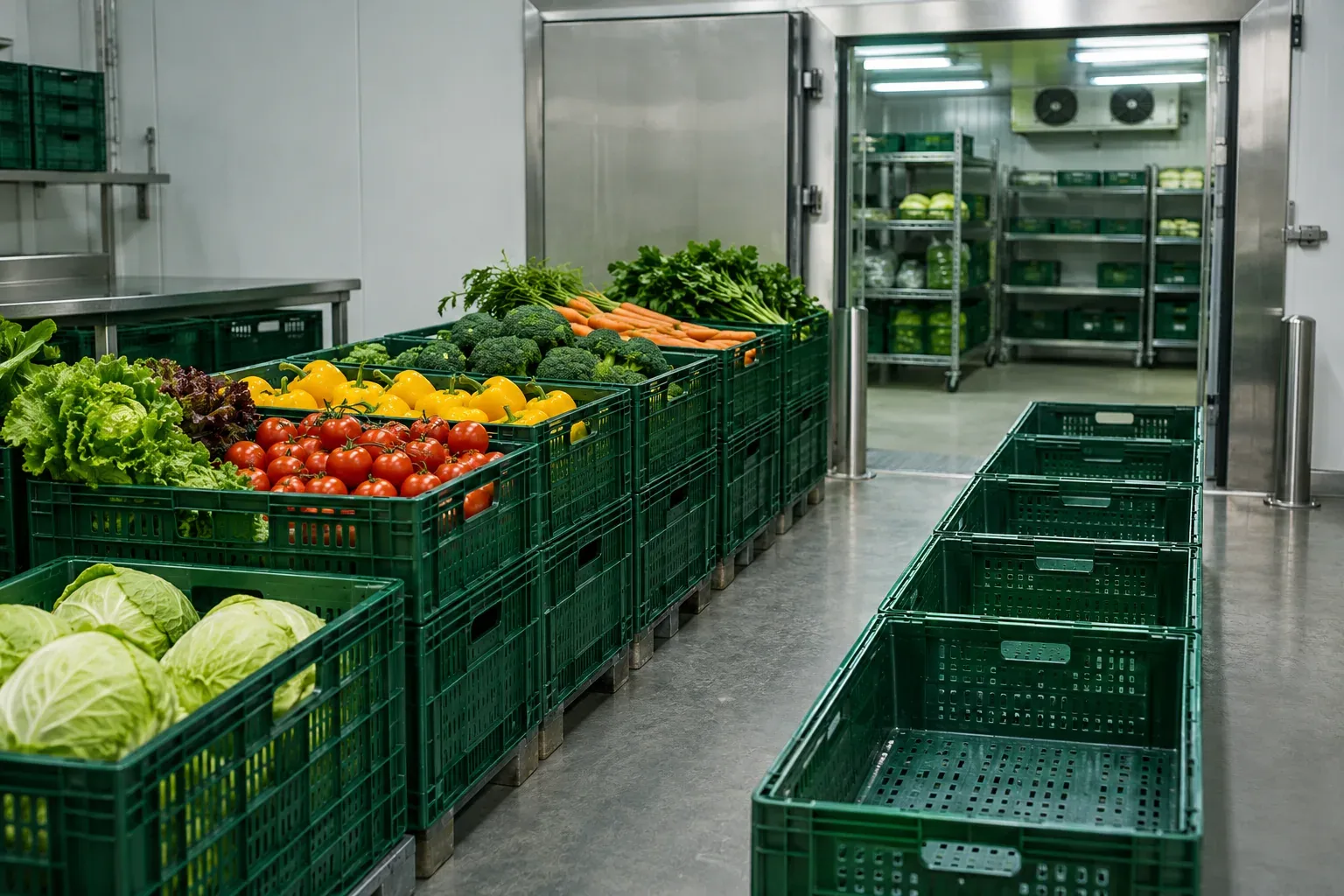
Reorder levels reflect how quickly a product sells and how long the next delivery takes.
Perishable stockFor fresh products, the quantity also needs to reflect what the store can sell before it spoils.
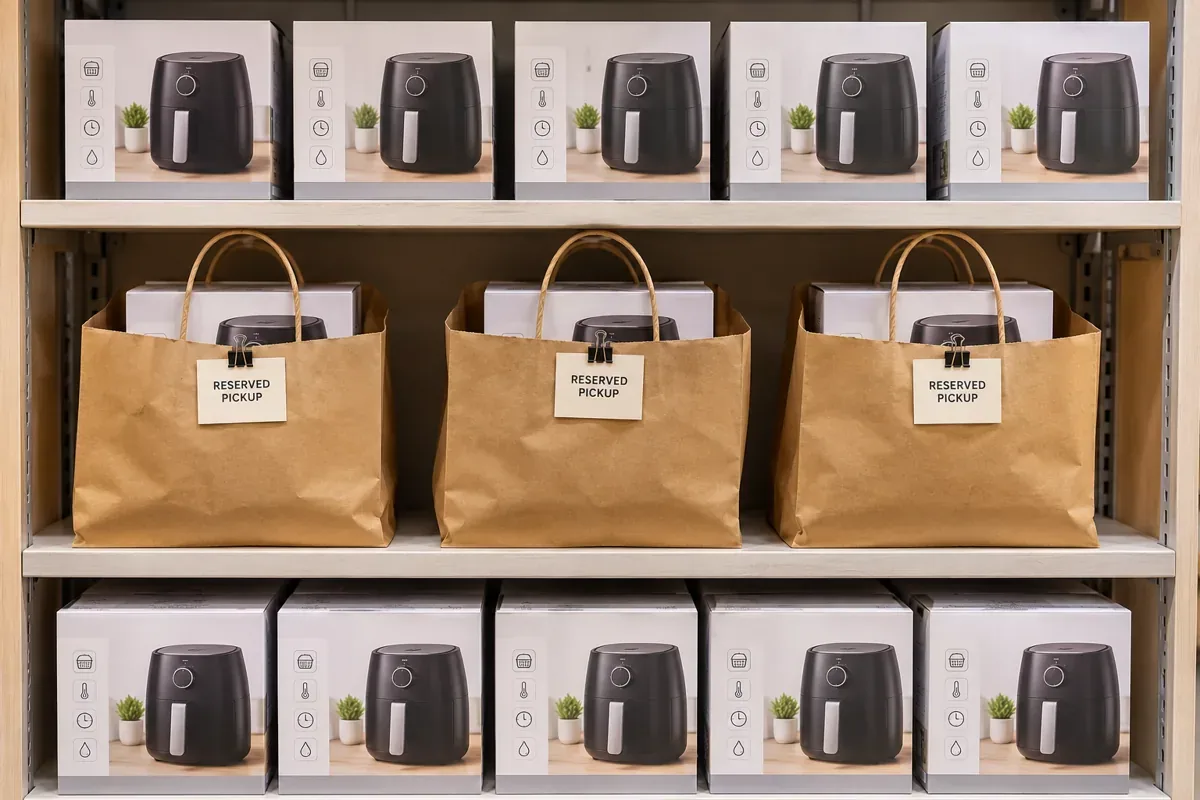
A store can sell from the same stock it uses to fill online orders.
Reserved stockA pickup order reserves units at a particular location until the customer collects it.
Store managers track what comes in and what sells. Finance teams use those records to plan spending and payment dates.
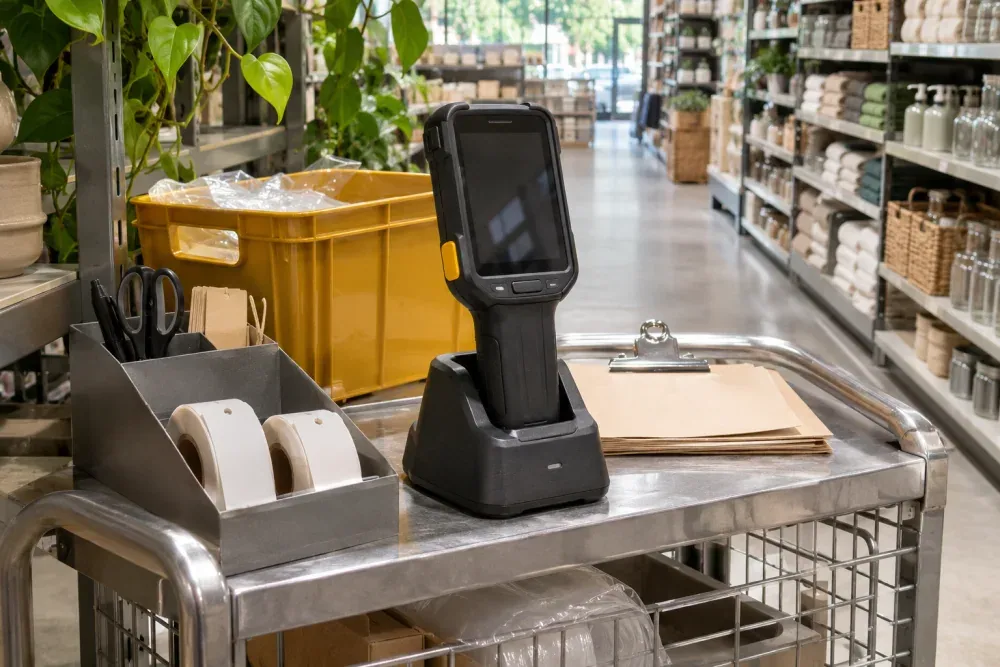
A count checks the units on shelves and in stockrooms against the inventory record.
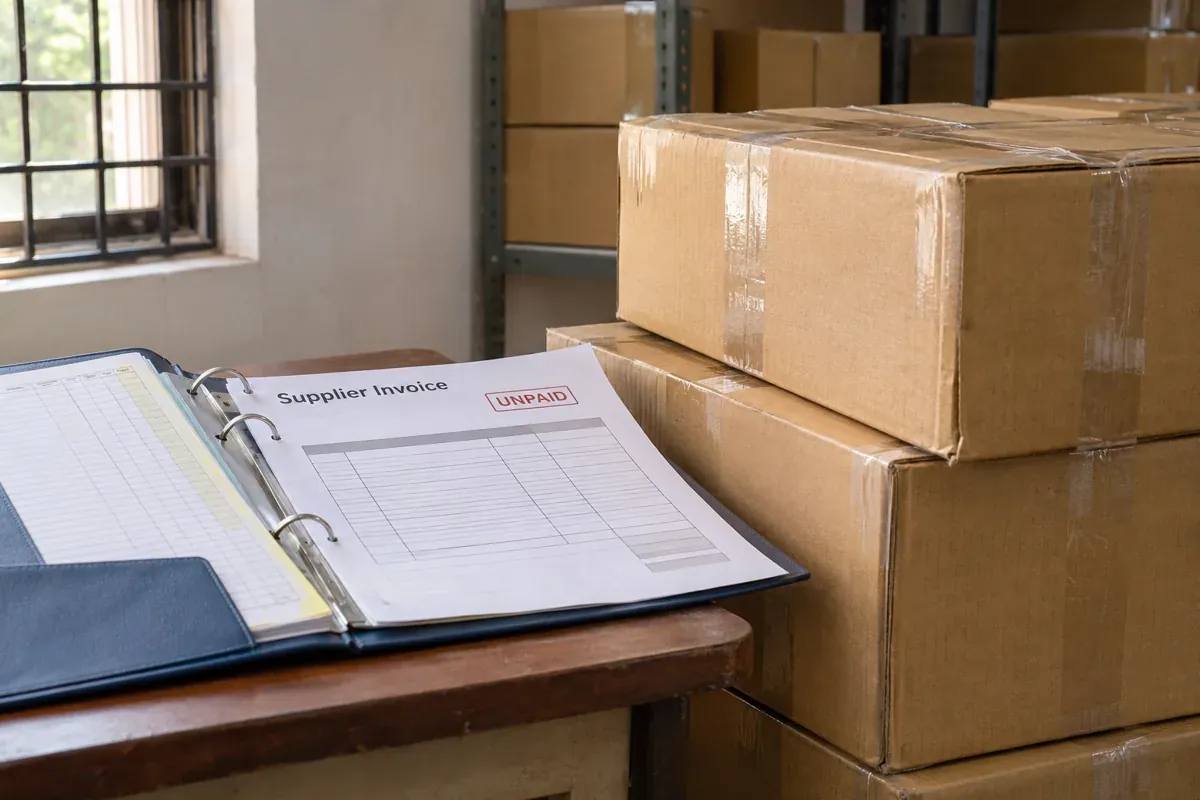
Buying a range ties up cash until shoppers buy the stock.
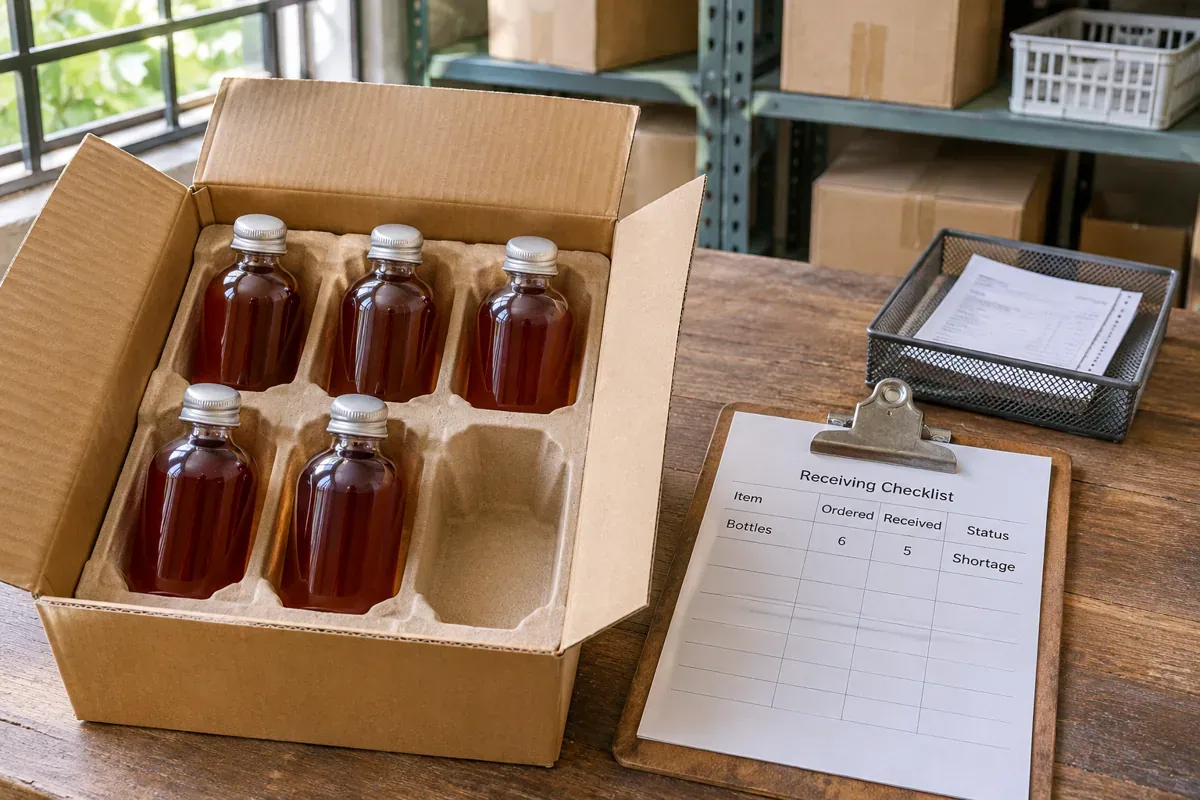
Retailers with several stores use common procedures for everyday work across locations.
Consumer and retail experience across SPPARC’s people and network in Our clientele.
Product and channel margins and discount approval rules.
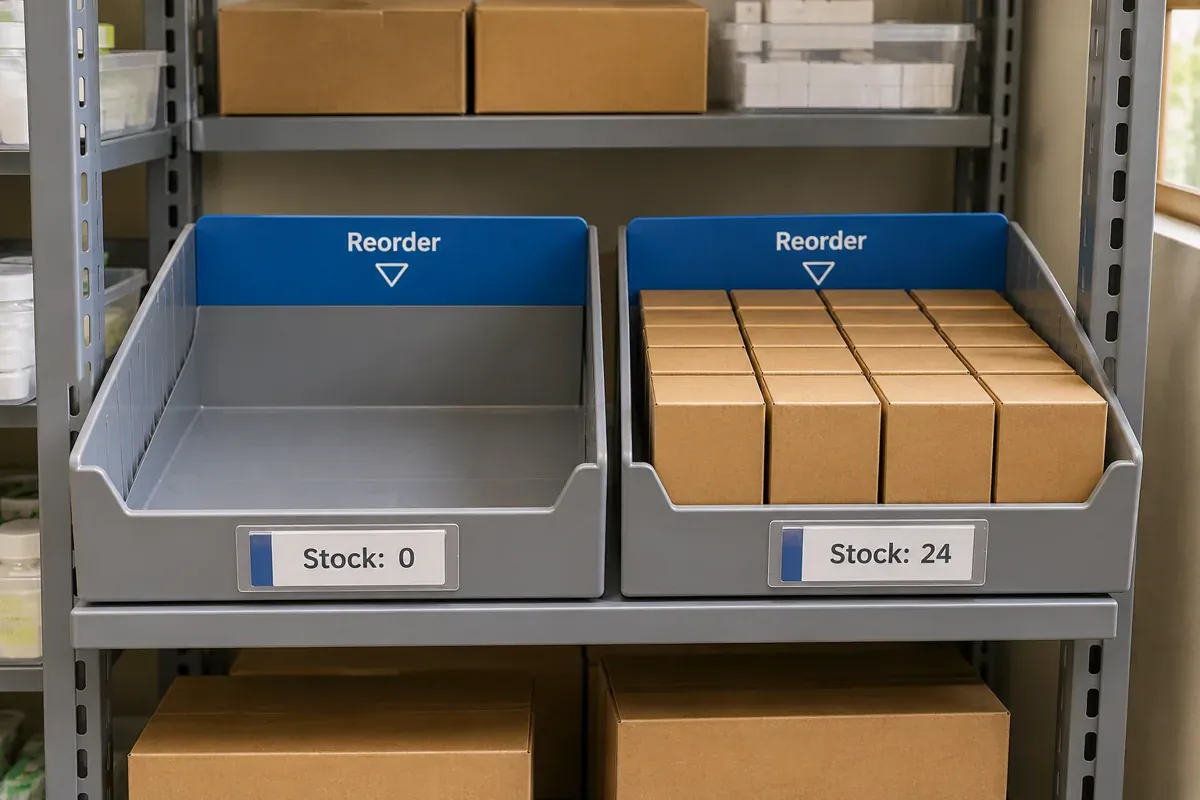
Inventory planning, replenishment and stock allocation.

Supplier bids, order quantities and purchasing terms.

Trading budgets and cash forecasts.

Enquiries about your products, sales channels or stores.
Contact SPPARC